


The Fitness Pilates Blog
Fitness Pilates and ITBS (Iliotibial Band Syndrome)
Something that came up in class this week was ITBS (Iliotibial Band Syndrome), and it struck me as one of those very common but often misunderstood conditions. I thought it would be a great one to include in this week’s newsletter, so I hope you find it helpful. As always, let me know if you’d like more content like this.
Coming up this week…
Friday: I’m running a 2-hour in-person Reformer Jump Board & Dowel workshop at the studio. If you fancy coming over, learning, moving, and spending some time together in person, you’d be very welcome.
Thursday: A brand new online workshop on Zoom launches —
Fitness Pilates: Classical Mat, including 6-week lesson plans plus a masterclass
More details coming tomorrow — keep an eye out
What is Iliotibial Band Syndrome?
Iliotibial Band Syndrome (often shortened to ITBS) is an overuse injury where the iliotibial band – a thick band of connective tissue running from the outside of the hip down to the outer knee – becomes irritated and painful, usually near the knee.
Pain is typically felt on the outside of the knee, especially during or after movement.
What causes ITBS?
ITBS usually develops due to poor load management and movement mechanics, rather than one single incident.
Common causes include:
- Overuse or sudden increases in training volume
- Weak glute medius and hip stabilisers
- Poor pelvic or hip control
- Repetitive knee flexion and extension (especially under load)
- Tightness in surrounding muscles (glutes, quads, TFL)
- Poor running or walking mechanics
- Limited ankle or hip mobility causing compensation
- Asymmetry or imbalance between left and right sides
It’s rarely the IT band itself that’s the problem – it’s usually what’s not doing its job around it.
Who is most commonly affected?
ITBS is most common in:
- Runners and walkers
- Cyclists
- People returning to exercise too quickly after time off
- Individuals with poor lateral hip strength
- Clients who do lots of squats, lunges, step work without hip stability
Fitness Pilates: What to DO
The goal in Fitness Pilates is to restore hip stability, pelvic control and movement efficiency.
Best exercises to include
Focus on slow, controlled, alignment-led work:
Glute & Hip Stability
- Side-lying leg lifts (small range, neutral pelvis)
- Clams (with or without band)
- Standing hip abduction (upright posture)
- Quadruped leg extensions
- Single-leg balance work
Pelvic & Core Control
- Supine pelvic stability exercises
- Dead bug patterns
- Side-lying oblique work
- Bridge holds with alignment focus
- Bridge march (only if pain-free)
Mobility (gentle)
- Hip flexor stretches
- Glute stretches
- Thoracic rotation (to reduce lower-body compensation)
- Calf and ankle mobility
Cue alignment over effort and keep reps low and quality high.
Fitness Pilates: What to AVOID (Initially)
During an ITBS flare-up, avoid:
- Deep lunges and split squats
- Repetitive step-ups
- High-rep squats
- Jumping or plyometrics
- Running or fast walking drills
- Side kicks with momentum
- Over-stretching the IT band directly
Teaching Tips for FitPros
- Work in pain-free ranges only
- Slow the tempo right down
- Emphasise hip-knee-ankle alignment
- Encourage rest days and recovery walks
• • Remind clients that ITBS is a load issue, not a flexibility issue
Everyday we strive to be better teachers.
Have a wonderful day,
Rachel
Whats app 07976 268672
Resources
If you’d like support with marketing, sales, social media, and business growth, you’re very welcome to join my Supporters Group.
Click here to find out more.
Join the FPVIP CLUB click here
Join the FPVIP CLUB click here
TRAIN TO TEACH
Train to teach Fitness Pilates see our next dates here
Train to teach Level 3 Pilates ( no previous qualifications needed) click here
Train to teach Fitness Pilates reformer learn more
Train to teach Level 3 Reformer learn more
Train to teach HOT Fitness Pilates 9th January
UPDATE YOUR CPD
NEED TO UPDATE YOUR CPD? See our list of CPD courses for Fitness Pilates instructors
FREE RESOURCES FOR FITPROS
FREE Choreography newsletter for class content and class plans
FREE Fitness Pilates Newsletter class plans, managing health conditions in a Pilates class.
The Reformer Newsletter – Class plans and music ideas for Teachers interested in Reformer.
Business Newsletter – This weeks I give you a step by step into creating an online course.
Share this post:
Latest Fitness Pilates Courses & Classes
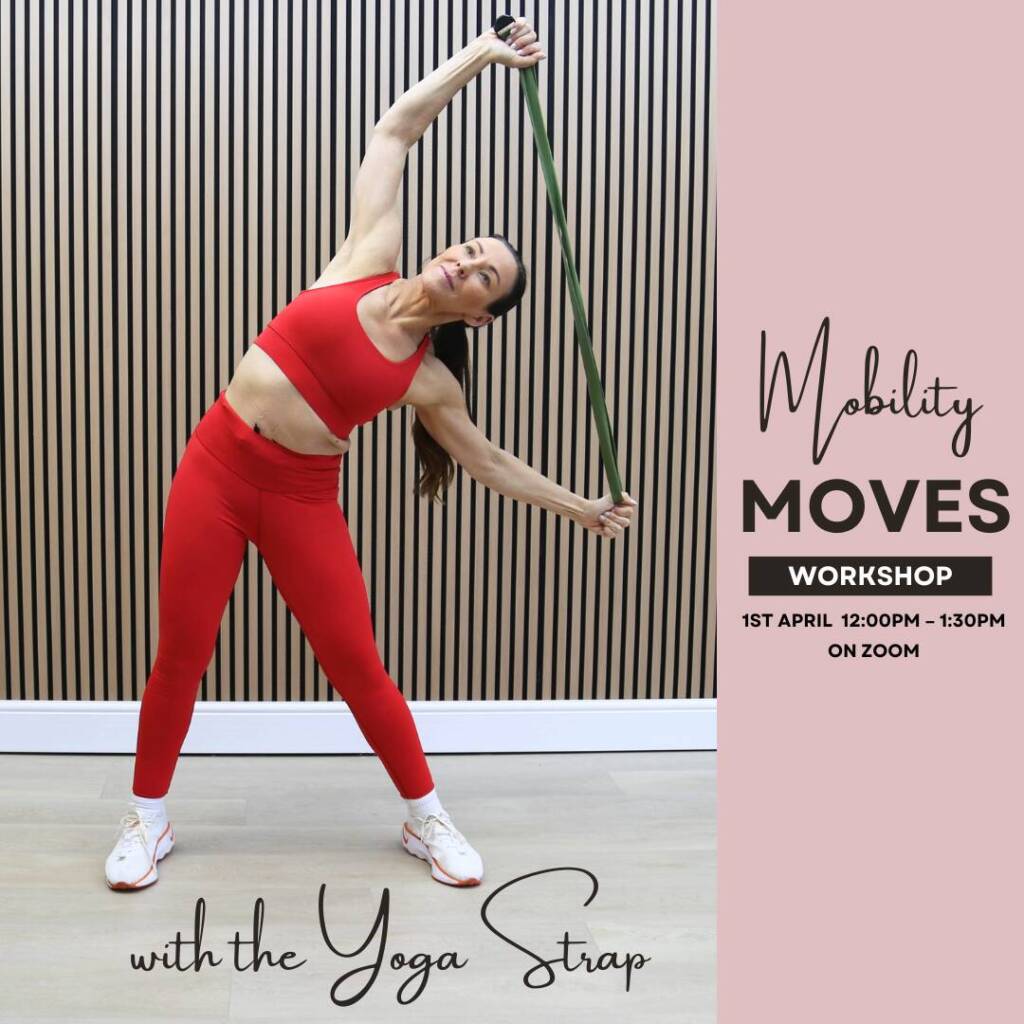
Mobility Moves with the Yoga Strap Workshop
£67.00 Original price was: £67.00.£47.00Current price is: £47.00.
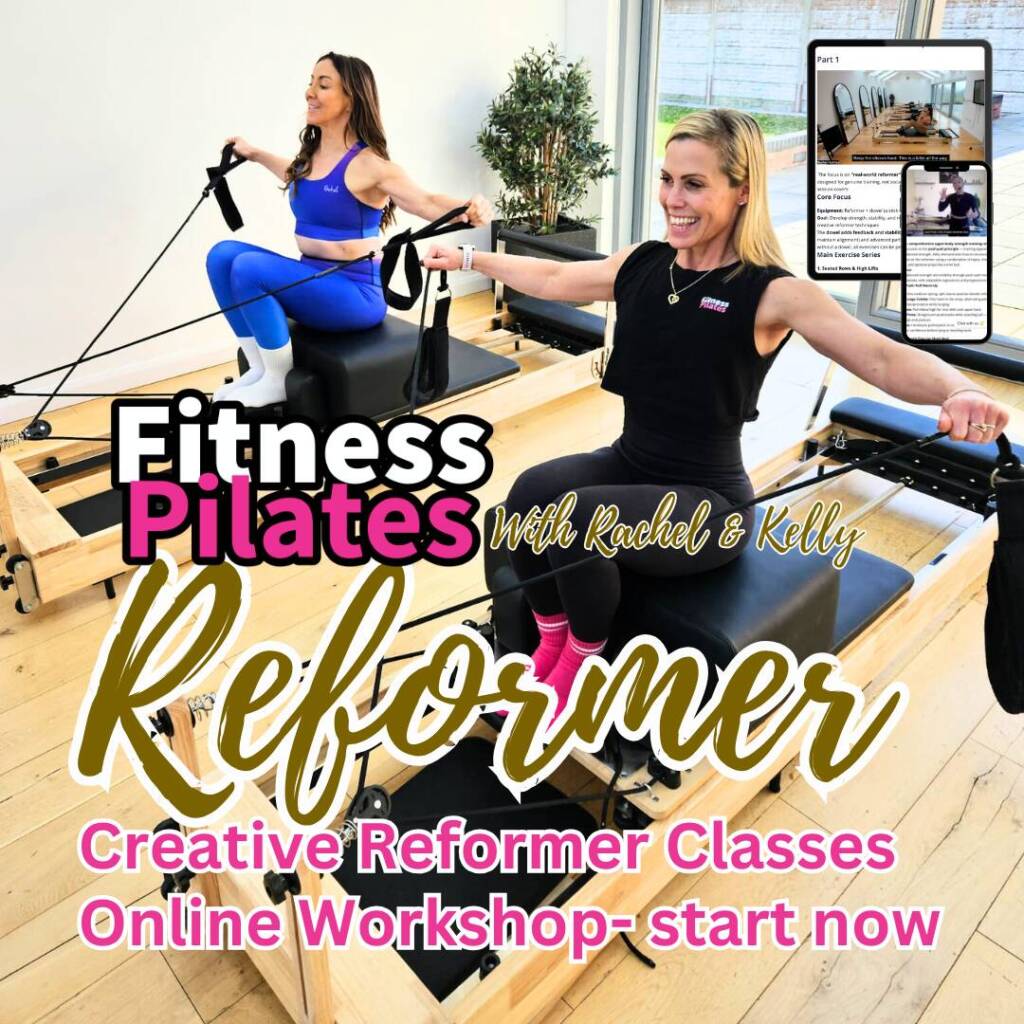
Creative Reformer Classes – Online Workshop
£75.00 Original price was: £75.00.£60.00Current price is: £60.00.
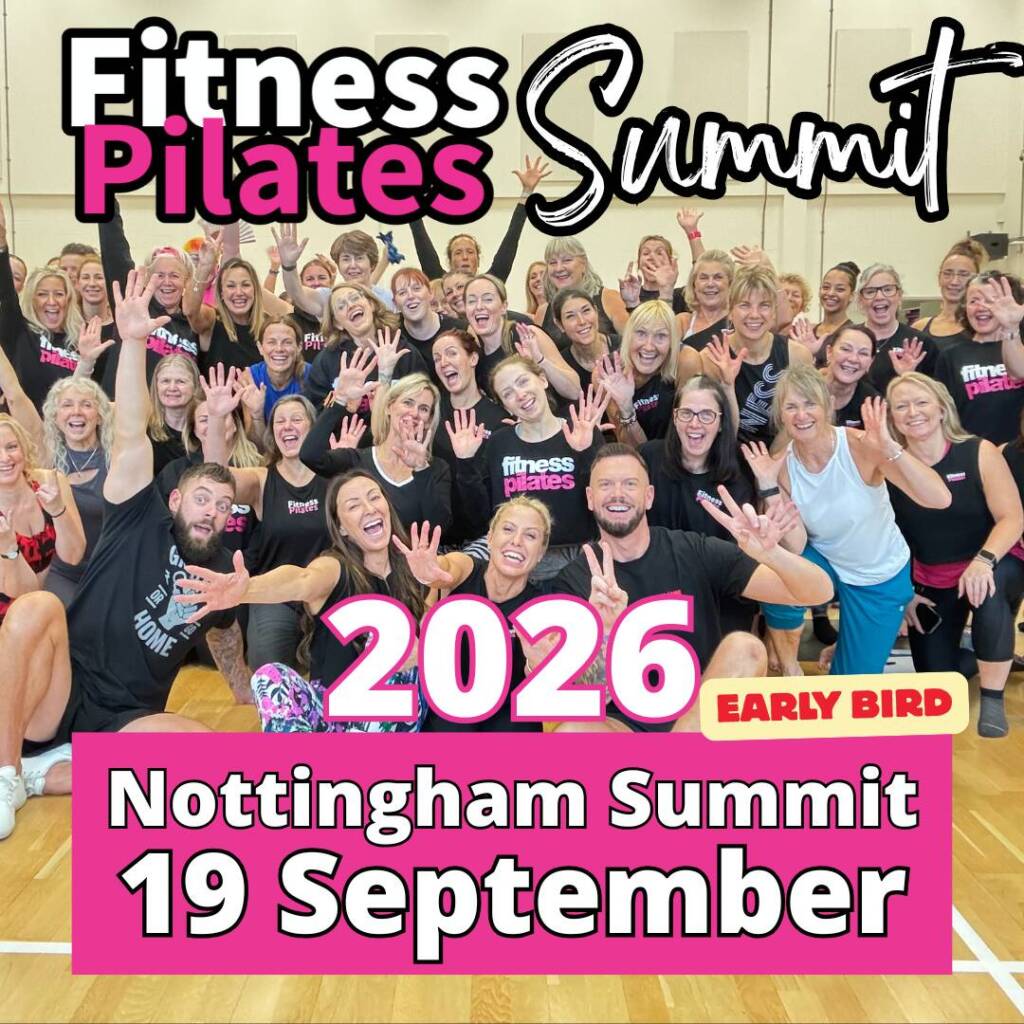
Fitness Pilates Summit Event 2026 EARLY BIRD TICKETS
£127.00 Original price was: £127.00.£99.00Current price is: £99.00.


The latest Fitness Pilates blogs & news
Join the Fitness Pilates newsletter
A short description introducing your business and the services to visitors.