

The Fitness Pilates Blog
Hernias in Fitness Pilates
We’re so close to Christmas, and I hope your classes are still going strong. If you’re running your candlelight sessions, I’m sure they’re going beautifully I have added a thread in the Fitness Pilates Facebook Group asking everyone posting a pic of you FP classes so do add yours.
CIMSPA Accreditation Update
We received some awesome news this week. After submitting all updated Fitness Pilates course materials — including policies, learning content, and delivery methods — we’ve been awarded Enhanced Provider status by CIMSPA.
This is the highest level of recognition and reflects our continued commitment to excellence and updating the course. It’s a long and intense process, but so worth it, and we’re so chuffed.
This Week’s Focus: Hernias in Fitness Pilates
Hernias are incredibly common — and something we see often in classes. Here’s a comprehensive overview of what you need to know, plus teaching and communication tips for newer instructors, and great reminders for our experienced team.
What is a Hernia?
A hernia occurs when an internal organ or tissue pushes through a weak spot in the surrounding muscle or connective tissue, usually in the abdominal wall.
How Does It Happen?
Hernias typically develop due to increased abdominal pressure. Common causes include:
- Heavy lifting (especially with poor technique)
- Chronic coughing or straining (e.g., constipation)
- Obesity
- Pregnancy
- Previous abdominal surgery
How Common Is It?
- Roughly 1 in 10 people will develop a hernia in their lifetime
- Most common types:
- Inguinal (groin) – around 75% of cases
- Umbilical (belly button)
- Hiatal (upper stomach)
- Incisional (post-surgery)
Treatment Options
- Watchful waiting for small, symptom-free cases
- Lifestyle changes to reduce strain
- Surgical repair (open or laparoscopic) — often a quick, day-case procedure
Fitness Pilates: Do’s and Don’ts for Clients with Hernia
Safe Modifications:
- Emphasise posture, breathwork, and gentle core activation
- Include pelvic tilts, glute bridges, and supported exercises
- Use props for alignment and comfort
- Encourage slow, controlled movements
Movements to Avoid:
- Crunches, sit-ups, roll-ups
- Heavy resistance or weights
- Loaded twisting or rotation
- Planks or push-ups (especially post-surgery)
- Inversions or high-pressure positions
Instructor Note:
Always refer any client with a hernia or suspected hernia to a medical professional. Offer gentle modifications, avoid strain, and focus on functional, breath-led movement.
I wrote this blog last week and got some great feedback so adding it into the newsletter
How to Improve Your Communication Skills
Even if you’ve been teaching for years, refreshing your communication style can elevate your classes and help clients progress faster.
1. Speak with purpose, not volume
More talking doesn’t equal better teaching.
- Say less, mean more
- Pause to let clients feel, not just follow
- Deliver one clear message per movement
Ask yourself: “If they remember one thing here, what should it be?”
2. Structure your language
Use this rhythm: Prepare → Cue → Observe → Refine
Example: “Set your pelvis… now move the legs… now add the arms.”
3. Use cues that connect
Avoid overcomplicated anatomy terms.
- Blend scientific accuracy with real-world references
- Use familiar imagery (e.g., “zipping up jeans” or “melting into the mat”)
4. Match your tone to the energy of the class
Your voice impacts the nervous system.
- Calm and steady for breath-led work
- Confident and energised for strength
- Avoid monotone — vary pitch, pace, and pause
5. Give specific feedback
Instead of: “Good”, try:
“That was controlled — you kept your pelvis stable during leg movement.”
6. Correct with care
- Focus cues on the movement, not the mistake
- Use inclusive phrases like: “Let’s all try…”
- Normalise corrections as part of the learning journey
7. Watch more, talk less
- Step back and observe
- Let your next cue respond to what you see
- Clients feel seen, even without direct feedback
8. Ask better questions
Prompt body awareness with open-ended cues:
- “Can you feel the difference?”
- “Where do you notice the effort?”
- “Does that feel stronger or more fluid?”
9. Use consistent language
- Repetition builds understanding and trust
- Avoid reinventing cues every week
- Familiar phrases help clients feel confident
10. End with intention
- Recap what they worked on
- Offer a practical takeaway
- A simple “thank you” goes a long way
Communication Mindset for Instructors:
Clear. Calm. Confident. Connected.
Final Courses this week to get trained in Reformer & Infrared
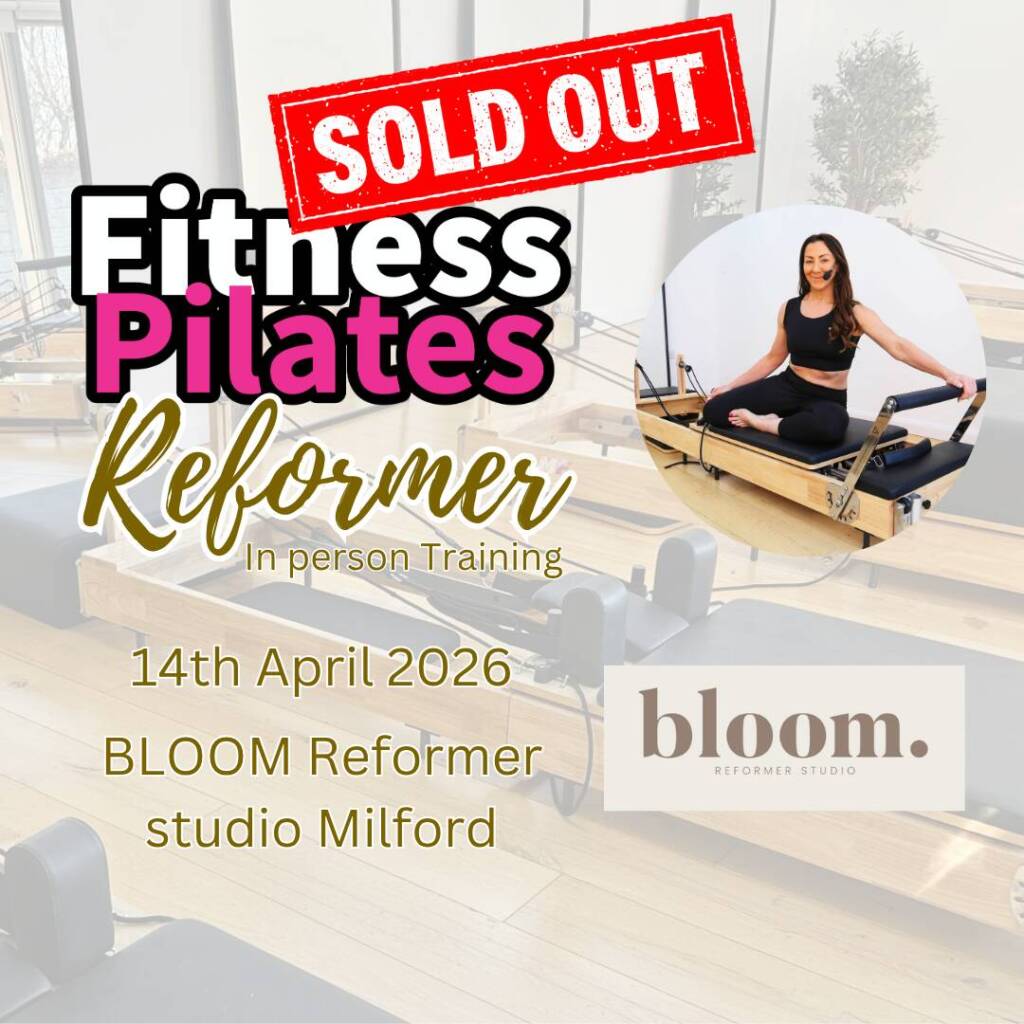
17th December Wednesday: Fitness Pilates Reformer – Online
18th December Thursday: Level 3 Reformer Group & 1-to-1 – Online(Reformer required)
18th December Thursday LIVE: Fitness Pilates HOT Infrared – C2GO Studio NG16 4HA
Have a fantastic week
Rachel x
FREE RESOURCES FOR FITPROS
FREE Choreography newsletter for class content and class plans
FREE Fitness Pilates Newsletter class plans, managing health conditions in a Pilates class.
The Reformer Newsletter – Class plans and music ideas for Teachers interested in Reformer.
Business Newsletter – This weeks I give you a step by step into creating an online course.
Share this post:
Latest Fitness Pilates Courses & Classes
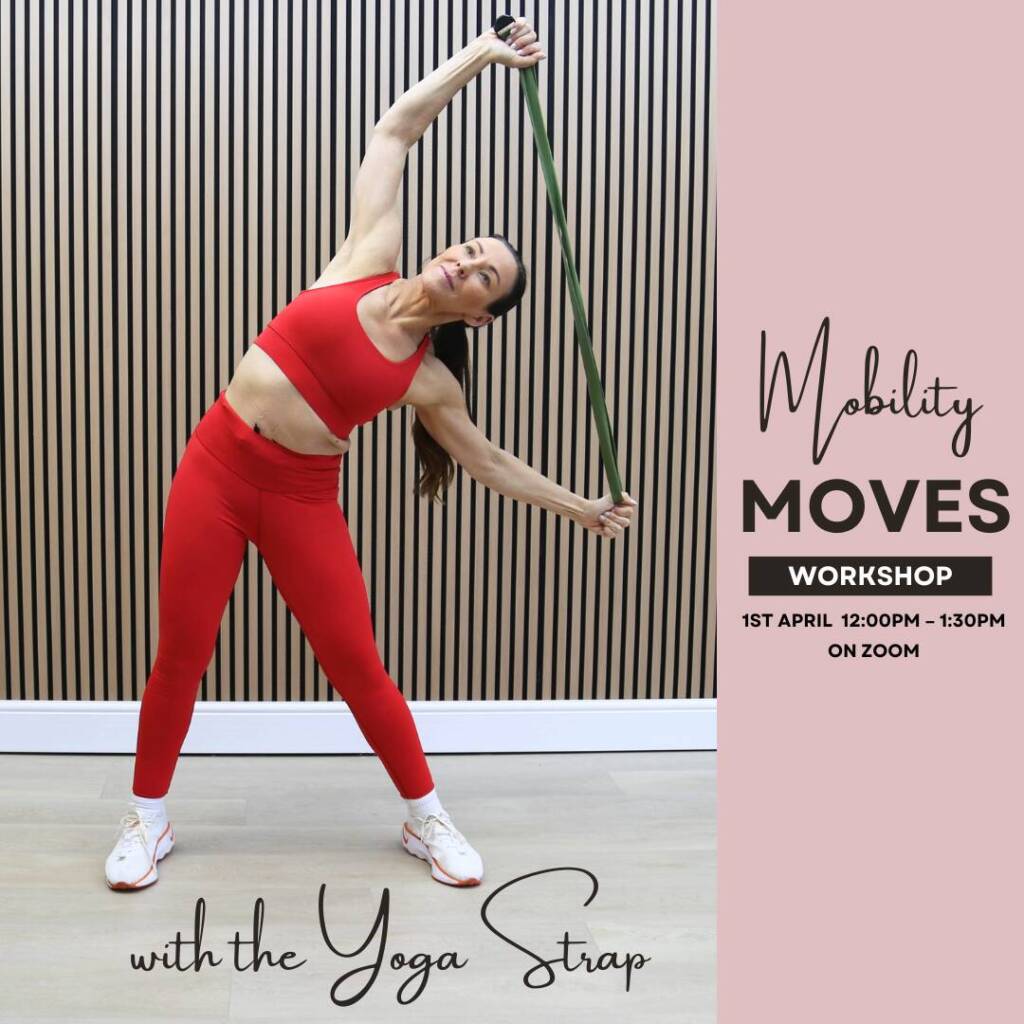
Mobility Moves with the Yoga Strap Workshop
£67.00 Original price was: £67.00.£47.00Current price is: £47.00.
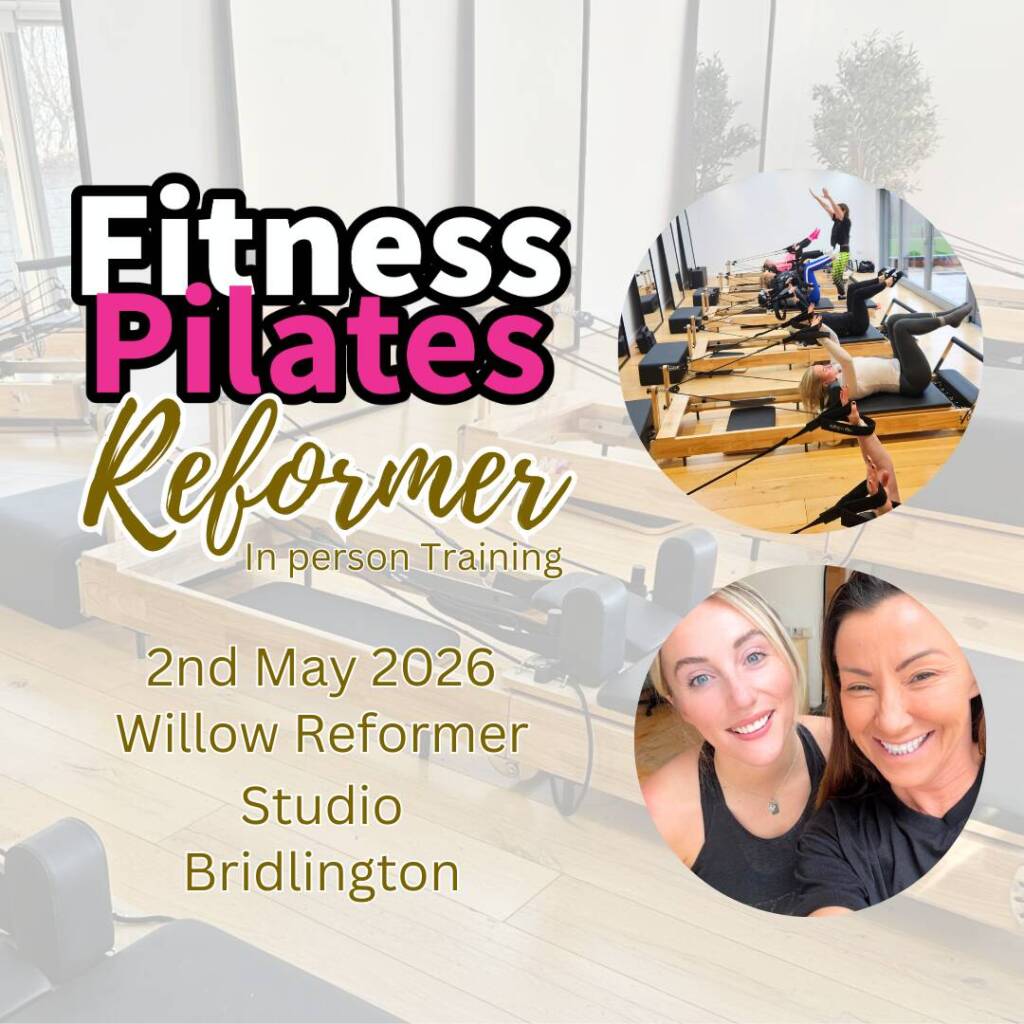
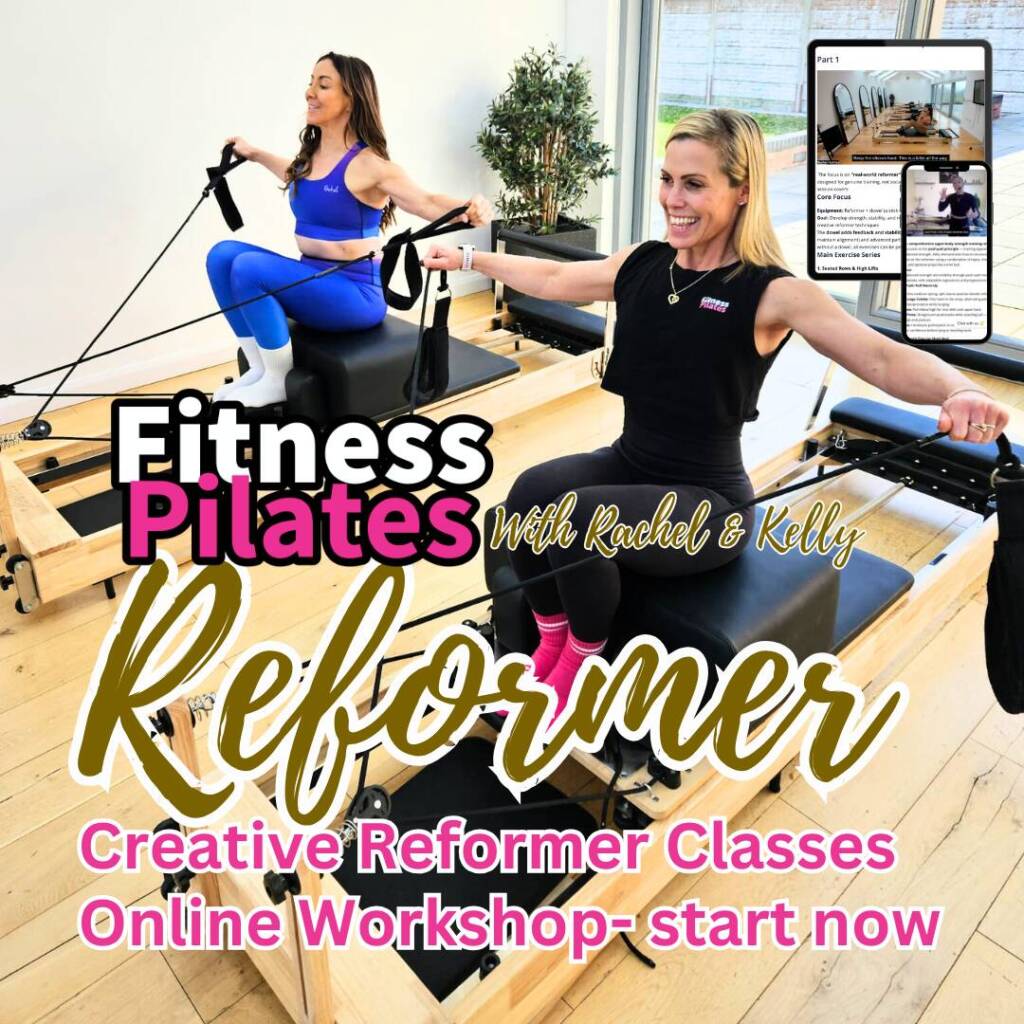
Creative Reformer Classes – Online Workshop
£75.00 Original price was: £75.00.£60.00Current price is: £60.00.
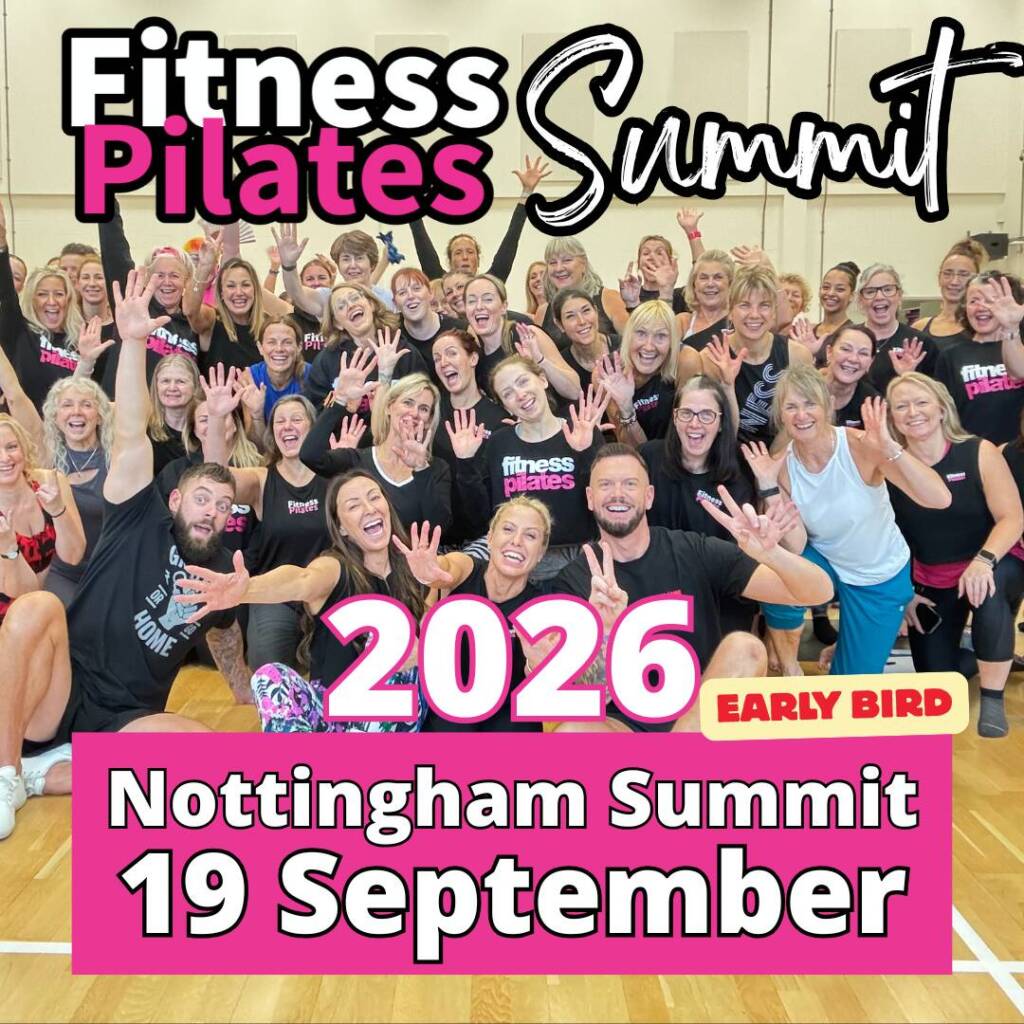
Fitness Pilates Summit Event 2026 EARLY BIRD TICKETS
£127.00 Original price was: £127.00.£99.00Current price is: £99.00.
The latest Fitness Pilates blogs & news
Join the Fitness Pilates newsletter
A short description introducing your business and the services to visitors.