


The Fitness Pilates Blog
Scoliosis- Fitness Pilates Newsletter
Welcome to the Fitness Pilates Newsletter
I hope you are well.
I have lots of new masterclasses and courses coming up, both online and in person, over the next few months.
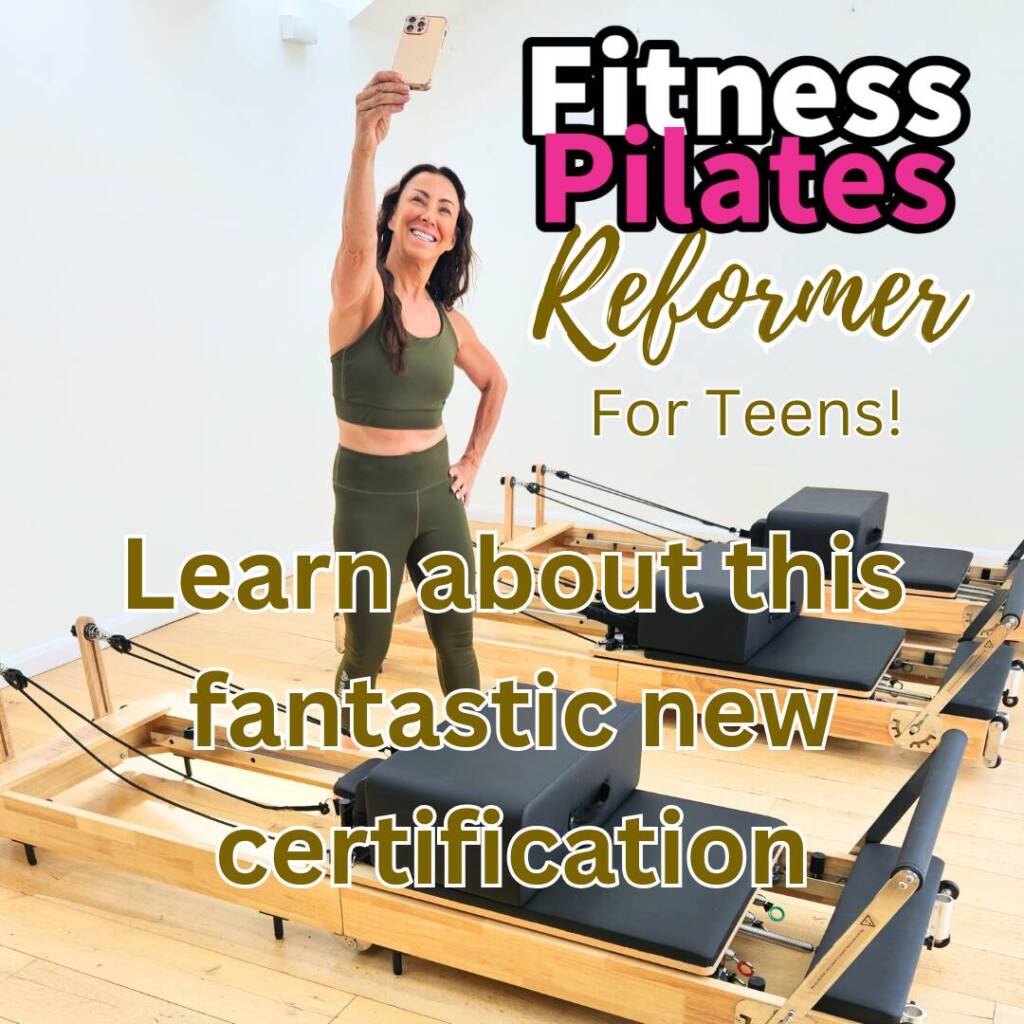
One of the upcoming specialist courses is Fitness Pilates Reformer for Teens, which I’m really excited about as there is a growing need for safe, structured strength and Pilates training for younger clients.
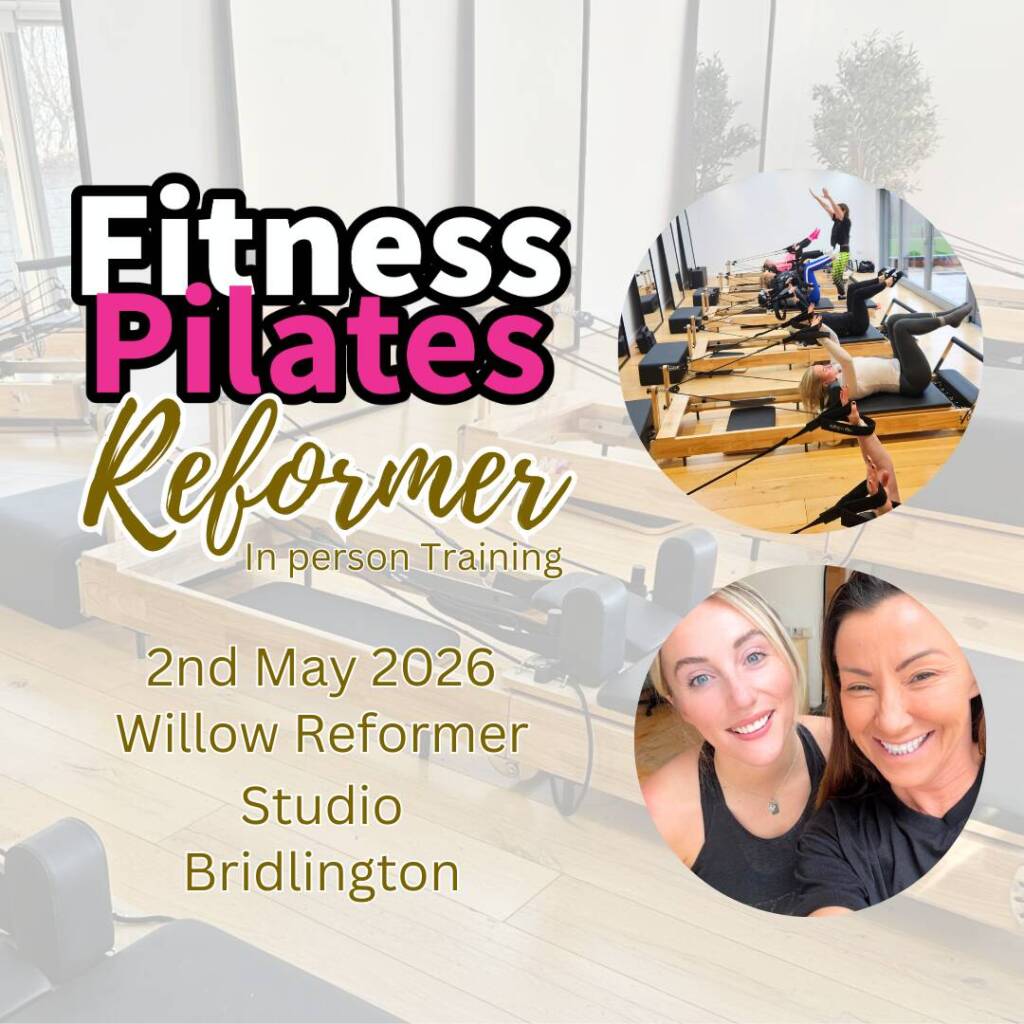
I’ll also be running a Fitness Pilates Reformer Teacher Training in Bridlington on Saturday 2nd May. If you are local and would like to join us, send me a message and I’ll
send you all the details.
Next week we are running two important qualifications that fit perfectly alongside your Fitness Pilates or Level 3 teaching qualifications:
Level 3 Award in Exercise for Older Adults
Level 3 Award in Pre and Post Natal Exercise
Both of these are hugely valuable qualifications that allow you to work with specialist populations and expand the range of clients you can safely support. They are currently on sale, and if you purchase both qualifications together there is a larger bundle discount. You’ll find the details below.
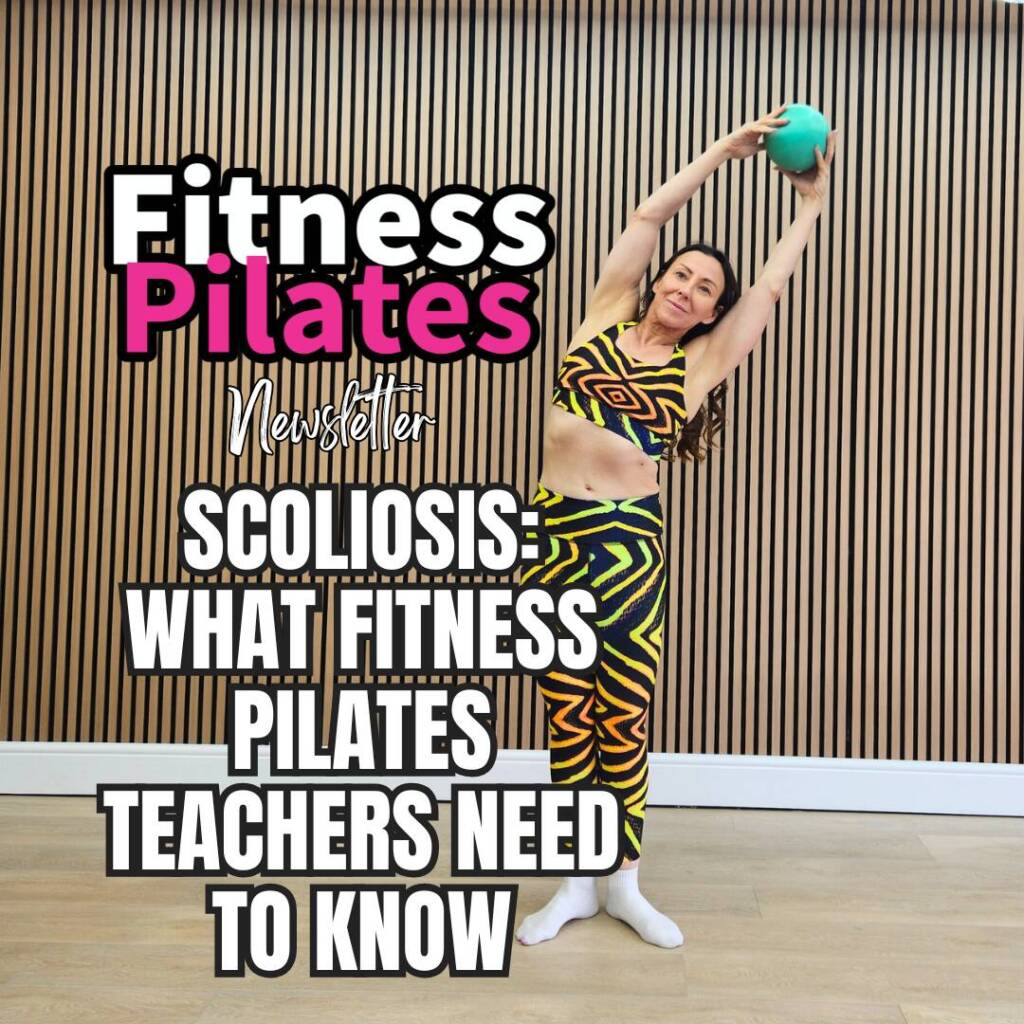
Today I’ve also been asked to discuss scoliosis, so below you’ll find information on what it is, key considerations for instructors, and how we can safely support clients with scoliosis in Fitness Pilates classes.
Scoliosis: What Fitness Pilates Teachers Need to Know
What is scoliosis?
Scoliosis is a condition where the spine curves sideways instead of remaining straight. The spine may form a C-shape or an S-shape, and the vertebrae may also rotate slightly. This can create visible differences such as one shoulder being higher than the other, uneven hips or a rib cage that appears more prominent on one side.
Scoliosis can range from very mild curves that cause little or no symptoms to more significant curves that may affect posture, breathing or movement.
Who does it affect?
Scoliosis can affect children, teenagers and adults.
There are several types:
Adolescent idiopathic scoliosis
The most common type. It develops during the growth spurt around puberty.
Degenerative scoliosis
Occurs in adults, often over the age of 50, due to spinal degeneration, disc changes or osteoporosis.
Congenital scoliosis
Present from birth due to the way the spine formed.
Neuromuscular scoliosis
Associated with neurological conditions such as cerebral palsy or muscular dystrophy.
Women are more likely to develop progressive scoliosis than men.
How does scoliosis happen?
In most cases the exact cause is unknown.
Possible contributing factors include:
• Genetics
• Rapid growth during adolescence
• Muscle imbalance around the spine
• Degenerative changes in the spine
• Osteoporosis
• Neurological conditions
In adults, scoliosis often develops gradually due to wear and tear on the spine and discs.
Can scoliosis be improved?
Scoliosis cannot usually be completely “cured” with exercise, but it can often be managed and improved functionally.
Exercise can help to:
• Improve posture
• Increase spinal mobility
• Strengthen the core and back muscles
• Reduce pain and stiffness
• Improve breathing mechanics
• Support better alignment and stability
For many people, Pilates-based exercise is highly recommendedbecause it focuses on core control, spinal stability and balanced muscle strength.
Fitness Pilates Considerations
The aim is to create balanced strength, improve alignment and increase awareness of posture.
It is important to remember that each scoliosis curve is different, so exercises should always be modified based on the individual.
Exercises to Approach With Caution
Avoid or modify exercises that place excessive load, compression or asymmetry on the spine.
These may include:
• Deep loaded spinal flexion
• Heavy spinal compression exercises
• High-impact twisting movements
• Strong loaded side bending
• Fast rotational exercises
• Heavy overhead lifting without core control
• Aggressive backbends
In group classes the focus should remain on controlled, symmetrical movement patterns.
Helpful Fitness Pilates Exercises
Exercises that encourage spinal stability, mobility and balanced strength can be very beneficial.
Good options include:
Breathing work
• Lateral rib breathing
• Diaphragmatic breathing
• Thoracic expansion exercises
Core stability
• Pelvic tilts
• Imprint and neutral awareness
• Dead bug variations
• Heel slides
Spinal mobility
• Cat stretch / cat cow
• Thoracic rotations (controlled)
• Spine stretch
Posterior chain strength
• Glute bridge
• Shoulder bridge progressions
• Bird dog
• Prone back extension (light)
Postural work
• Wall alignment exercises
• Scapular stability work
• Resistance band rows
• Arm openings
Side stability
• Side lying leg work
• Modified side plank
• Clamshells
Key Teaching Tips for Fitness Pilates
• Encourage slow controlled movement
• Focus on postural awareness
• Cue length through the spine
• Train balanced strength across both sides of the body
• Avoid pushing into pain or fatigue
• Encourage clients with significant scoliosis to work with a physiotherapist or specialist
Hope thats helpful:-)
Have a great day
Whats app me for questions 07976 268672
Love Rachel x
Much Love Rachel
Whats app 07976 268672
I have been filming a weekly vlog on Youtube as an experiment check it out here
If you’d like support with marketing, sales, social media, and business growth, you’re very welcome to join my Supporters Group.
Click here to find out more.
Join the FPVIP CLUB click here
Share this post:
Latest Fitness Pilates Courses & Classes
HOT Redlight Fitness Pilates — Instructor Certification SUMMIT SPECIAL 18th SEPTEMBER 830 – 12
£547.00 Original price was: £547.00.£500.00Current price is: £500.00.
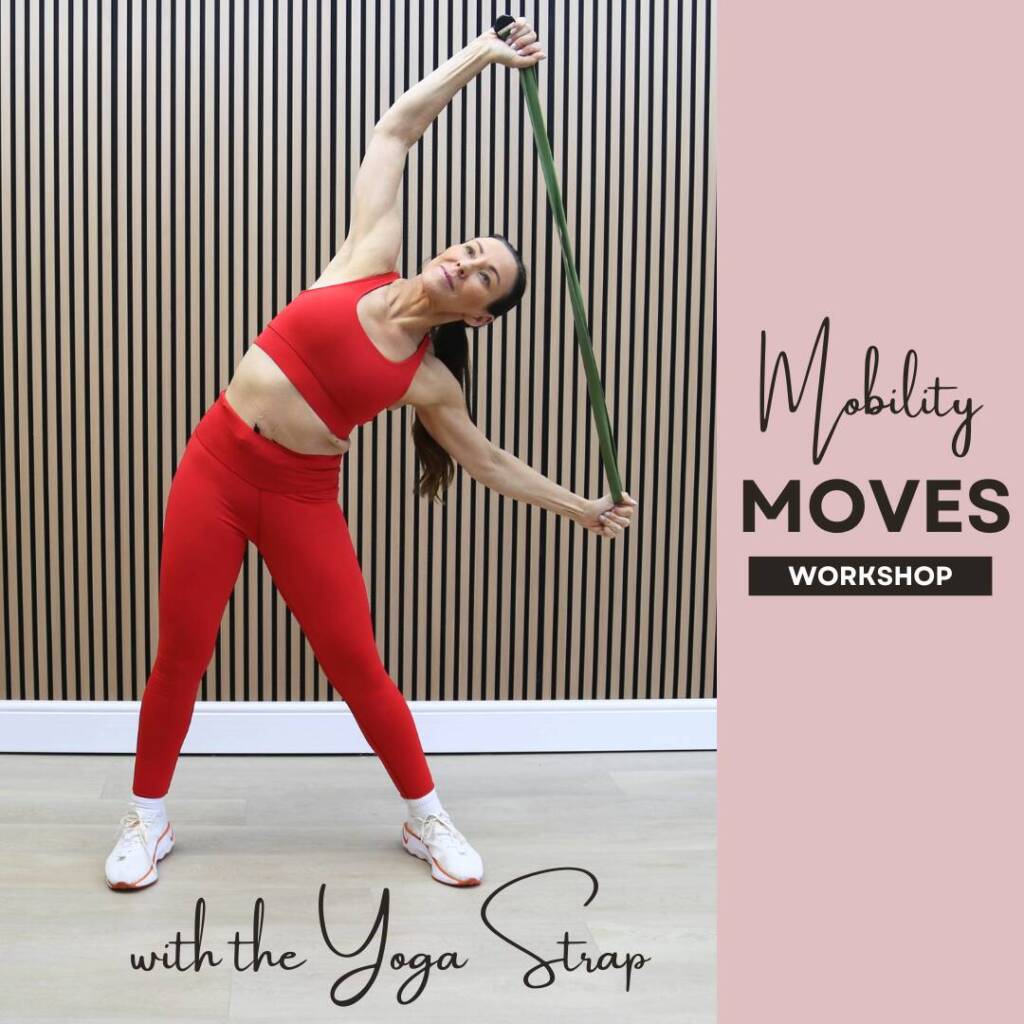
Mobility Moves with the Yoga Strap Workshop
£67.00 Original price was: £67.00.£47.00Current price is: £47.00.
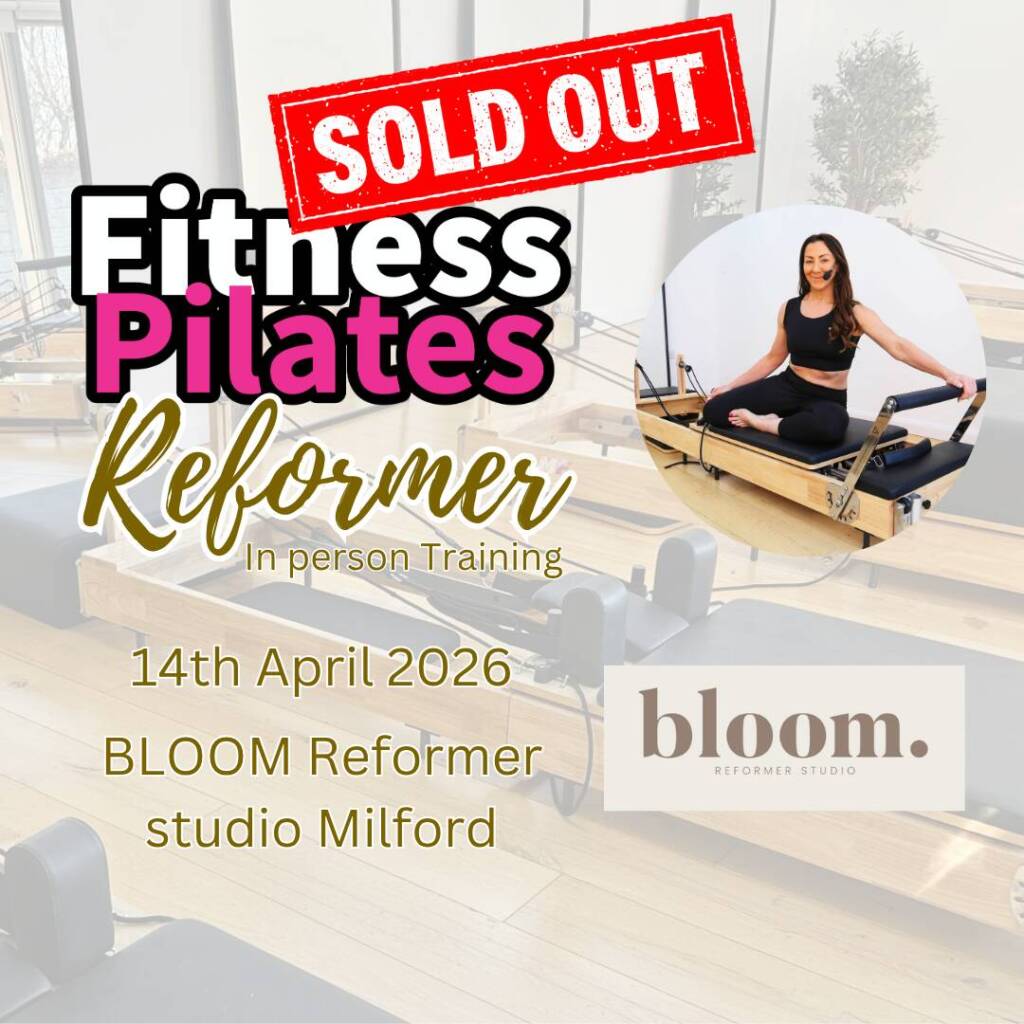
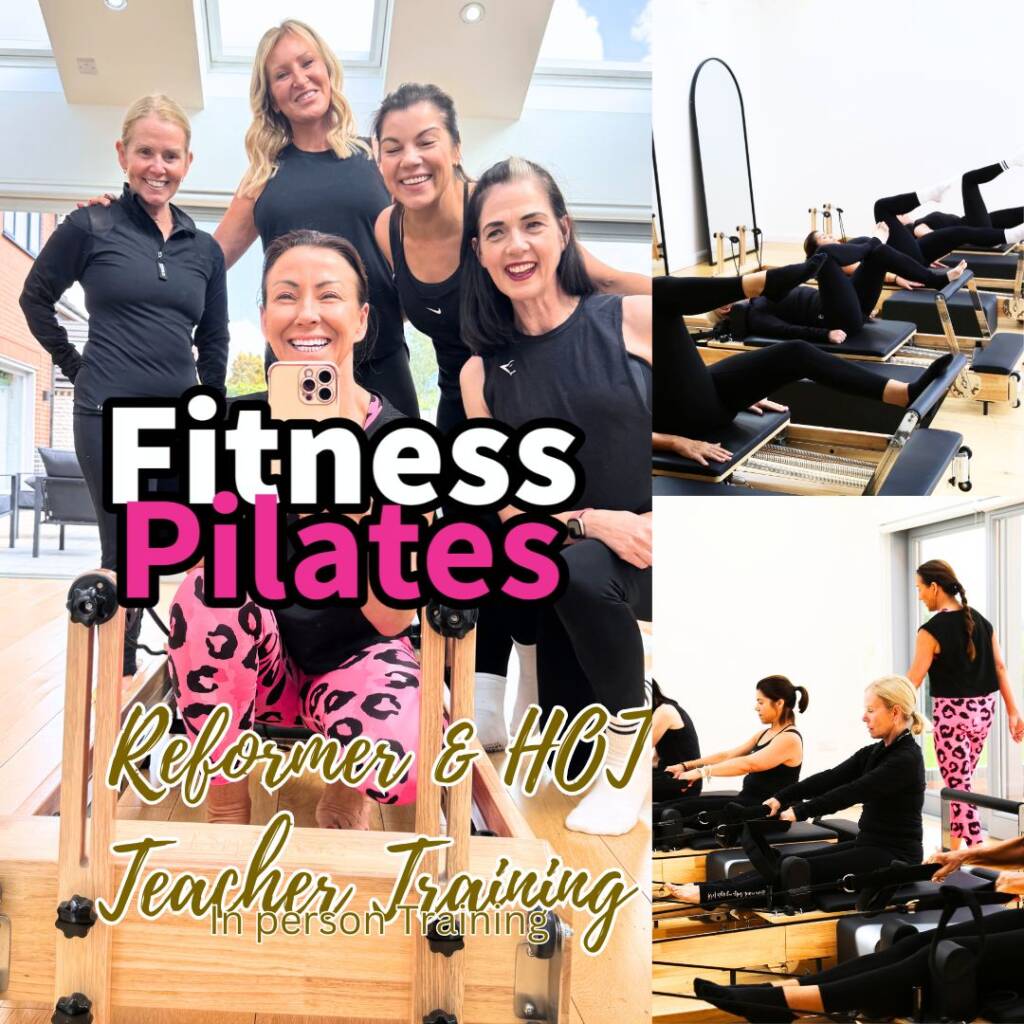
Reformer Fitness Pilates + Hot Fitness Pilates Instructor Certification Live PACKAGE SUMMIT SPECIAL 18th SEPTEMBER
£1,094.00 Original price was: £1,094.00.£799.00Current price is: £799.00.
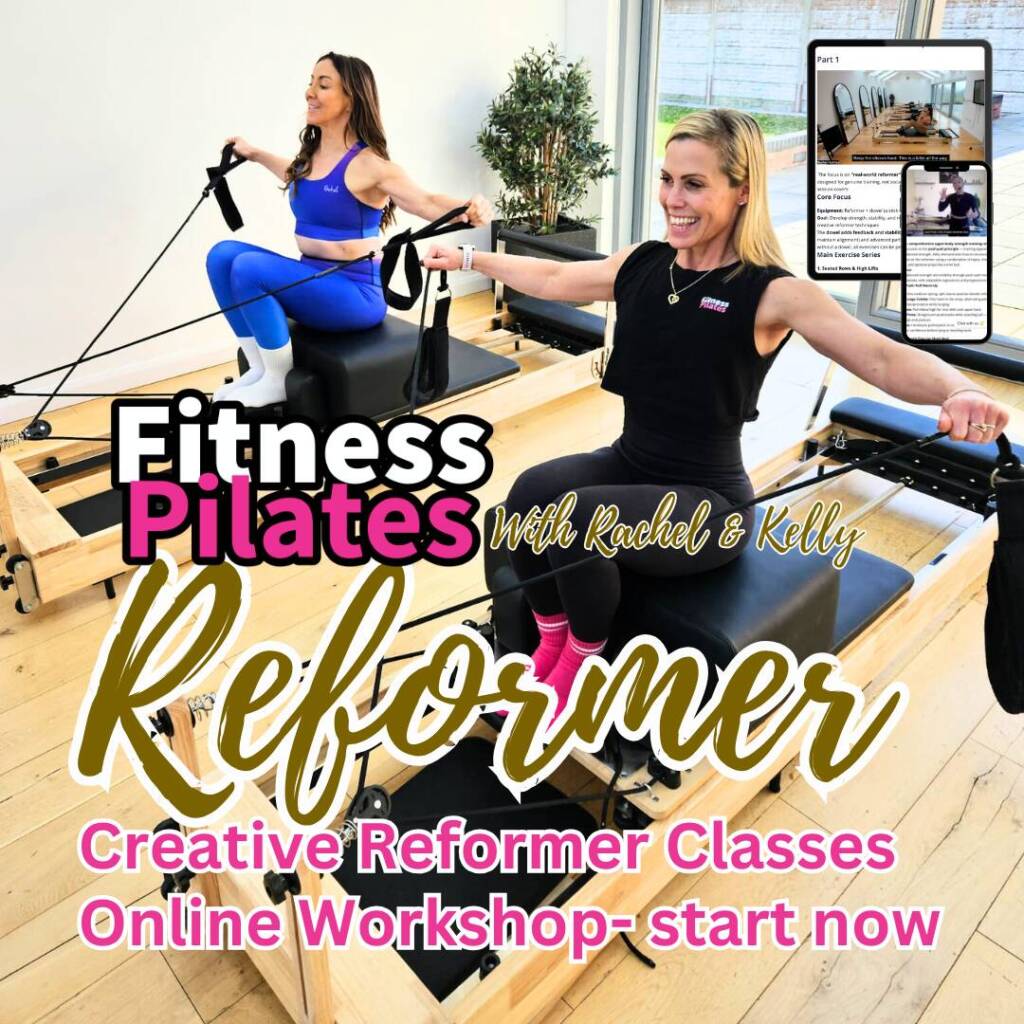
Creative Reformer Classes – Online Workshop
£75.00 Original price was: £75.00.£60.00Current price is: £60.00.


The latest Fitness Pilates blogs & news
Join the Fitness Pilates newsletter
A short description introducing your business and the services to visitors.