

The Fitness Pilates Blog
The Art of Cueing in Fitness Pilates
We’ve had an incredibly busy week running our Level 3 Reformer Live Assessments, everyone was so nervous but they all passed and it was a fab day,
One of my goals for 2026 is to create more events and experiences where teachers can come together. Last week I hosted a Retro Aerobics Masterclass at Nottingham University, and this week I opened up my home studio for a small, intimate Teachers’ Afternoon.
It was a chance for teachers to experience an Infrared Fitness Pilates class, followed by Reformer, with plenty of time to chat, connect, share ideas, create social media content — and most importantly, have fun together. It was a huge success, and I’ll definitely be running more of these in the future.
Alongside this, my experiment with long-form content continues — including a mammoth new VLOG over on YouTube.
Improving Cueing
The Art of Cueing in Fitness Pilates
However long you’ve been teaching, we can always improve our cueing — especially with so many new people joining classes this year.
Take time to:
- Share the history of Pilates with new participants
- Explain how Fitness Pilates exercises are derived from the original 34 exercises
- Show how Fitness Pilates supports modern life, improves posture, strength, mobility and flexibility.
The success of your class often comes down to how you make people feel. Voice projection, cueing, and educating your members are essential skills in today’s highly competitive Pilates landscape.
I would love to know…….
What are your most useful and impactful exercise cues?
How great cueing improves learning, flow, and results
Cueing isn’t just about telling people what to do — it’s about how you say it, when you say it, and why it matters.
Strong cueing:
- Builds confidence
- Supports different learning styles
- Improves movement quality
- Creates calm, professional, purposeful classes
Here are practical ways to improve your cueing in Fitness Pilates.
1. Use your voice intentionally
Your voice sets the emotional tone of the room.
Tips:
- Slow your speech slightly — clarity improves instantly
- Lower your voice rather than raising it to gain attention
- Match your tone to the phase of the class
(energising for standing work, calmer for floorwork and relaxation) - Smile when you cue — it genuinely softens your voice
Your voice should guide, not rush. Calm cueing leads to better movement.
2. Simplify your language
Over-cueing is one of the biggest reasons participants struggle with exercises.
Tips:
- Choose one main focus per exercise
- Use short phrases instead of long explanations
- Pause between cues to let people process
Ask yourself:
If I could only say one thing here, what matters most?
3. Cue to how people learn
People absorb information differently, so variety matters.
Tips:
- Demonstrate first, then speak
- Use “feel” cues such as:
- “Notice where you feel this”
- “You should feel supported through the centre”
- Use imagery sparingly but effectively:
- “Imagine length through the spine”
- “Move as if you’re gliding through water”
Encourage participants to feel rather than just copy.
4. Cue transitions early and clearly
Transitions are often where classes lose flow.
Tips:
- Cue transitions before they happen
- Always tell people where they’re going next
Clear transitions build trust and confidence in your teaching.
5. Educate in small, relevant moments
Sharing Education & Knowledge is powerful — when it’s well timed.
Tips:
- Add one short “why” per sequence, not every exercise
- Link movements to posture, daily life, and function
6. Use silence as part of your cueing
Silence is not a gap — it’s a tool.
Tips:
- Stop talking during slow, controlled movements
- Allow space during breath-focused work
- Trust that people don’t need constant instruction
Silence allows focus, breath awareness, and internal connection.
7. Refine by listening and observing
Great cueing improves when you observe more and talk less.
Tips:
- Watch how people respond to your cues
- Notice which cues improve movement
- Repeat what works — drop what doesn’t
- Record yourself teaching and listen back to your language
Cueing is a skill that evolves with experience and awareness.
I’ll post this over in the Facebook group and would love to hear your thoughts, reflections, and favourite cues and share you essential cues.
Everyday we strive to be better teachers.
Have a wonderful day,
Rachel
Whats app 07976 268672
Resources
If you’d like support with marketing, sales, social media, and business growth, you’re very welcome to join my Supporters Group.
Click here to find out more.
Join the FPVIP CLUB click here
TRAIN TO TEACH
Train to teach Fitness Pilates see our next dates here
Train to teach Level 3 Pilates ( no previous qualifications needed) click here
Train to teach Fitness Pilates reformer learn more
Train to teach Level 3 Reformer learn more
Train to teach HOT Fitness Pilates 9th January
UPDATE YOUR CPD
NEED TO UPDATE YOUR CPD? See our list of CPD courses for Fitness Pilates instructors
FREE RESOURCES FOR FITPROS
FREE Choreography newsletter for class content and class plans
FREE Fitness Pilates Newsletter class plans, managing health conditions in a Pilates class.
The Reformer Newsletter – Class plans and music ideas for Teachers interested in Reformer.
Business Newsletter – This weeks I give you a step by step into creating an online course.
Share this post:
Latest Fitness Pilates Courses & Classes
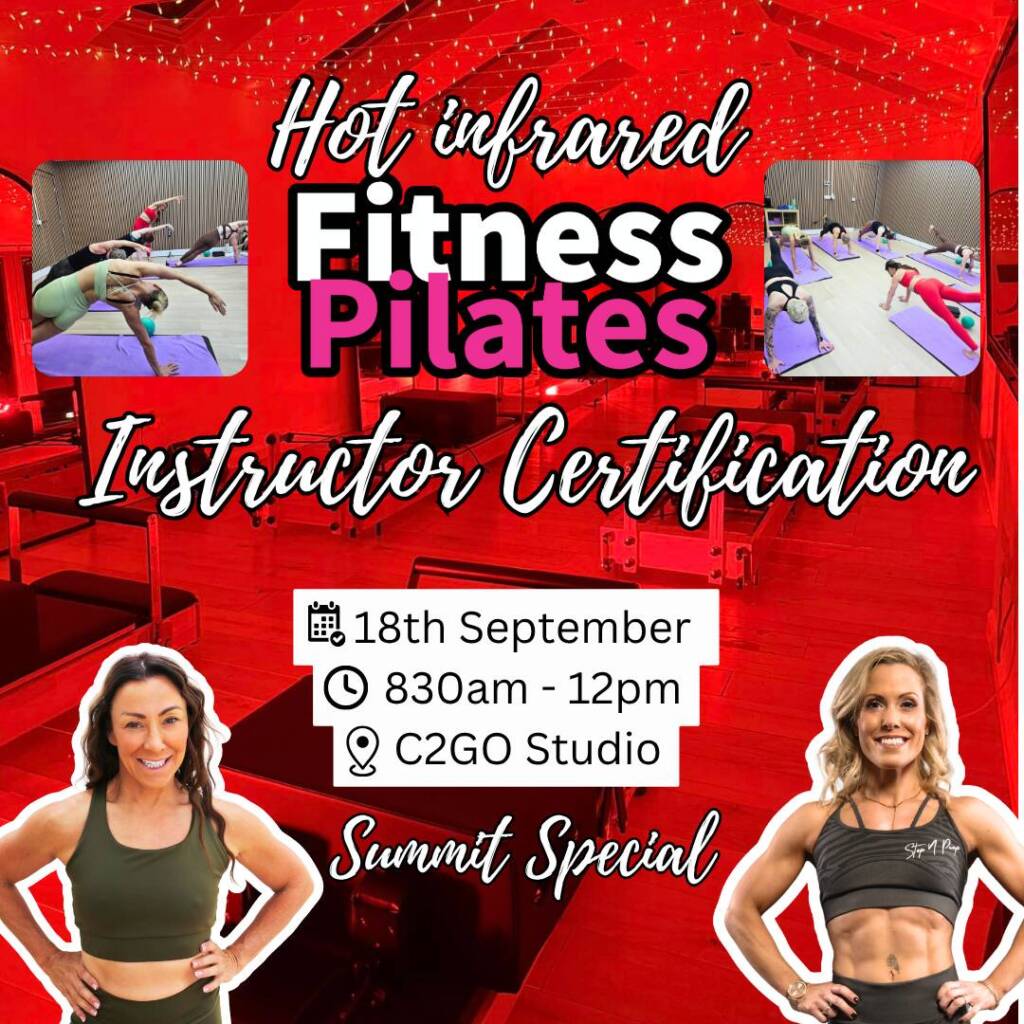
HOT Redlight Fitness Pilates — Instructor Certification SUMMIT SPECIAL 18th SEPTEMBER 830 – 12
£547.00 Original price was: £547.00.£500.00Current price is: £500.00.
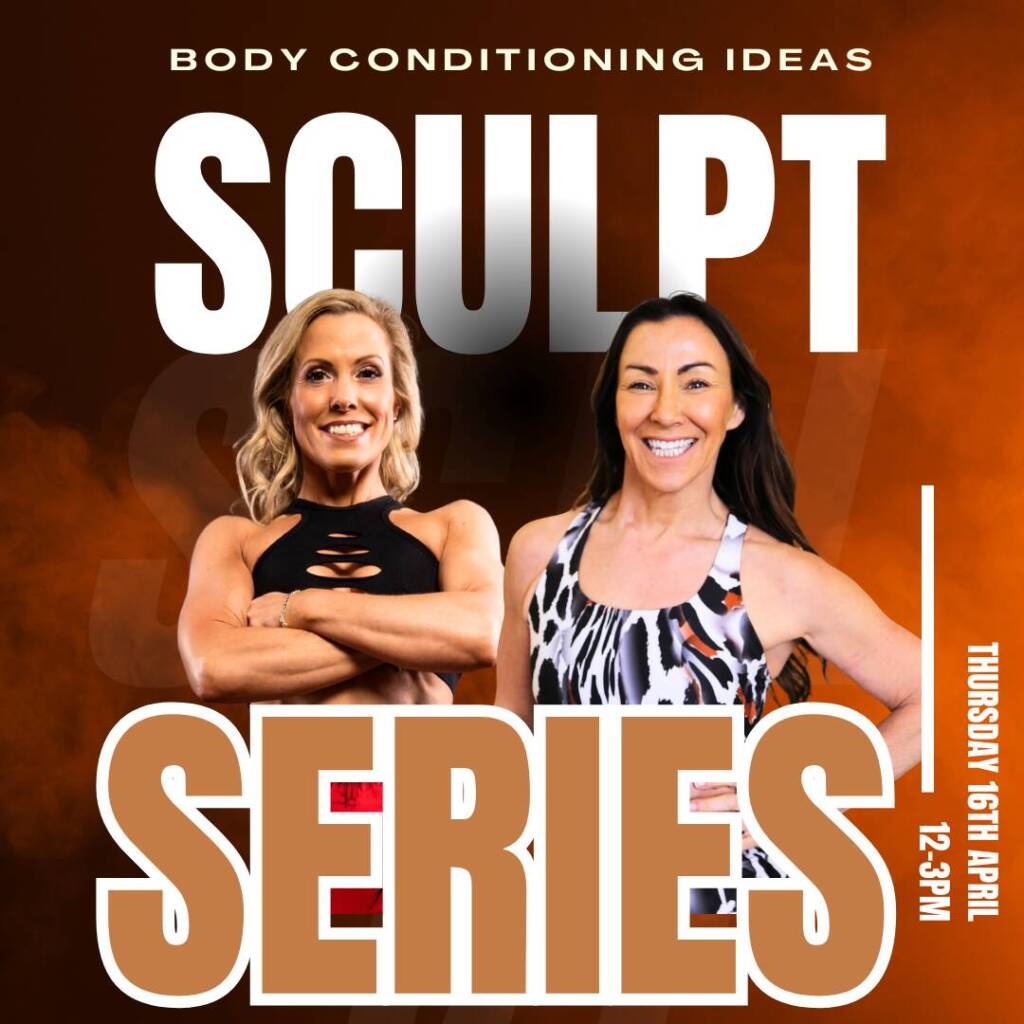
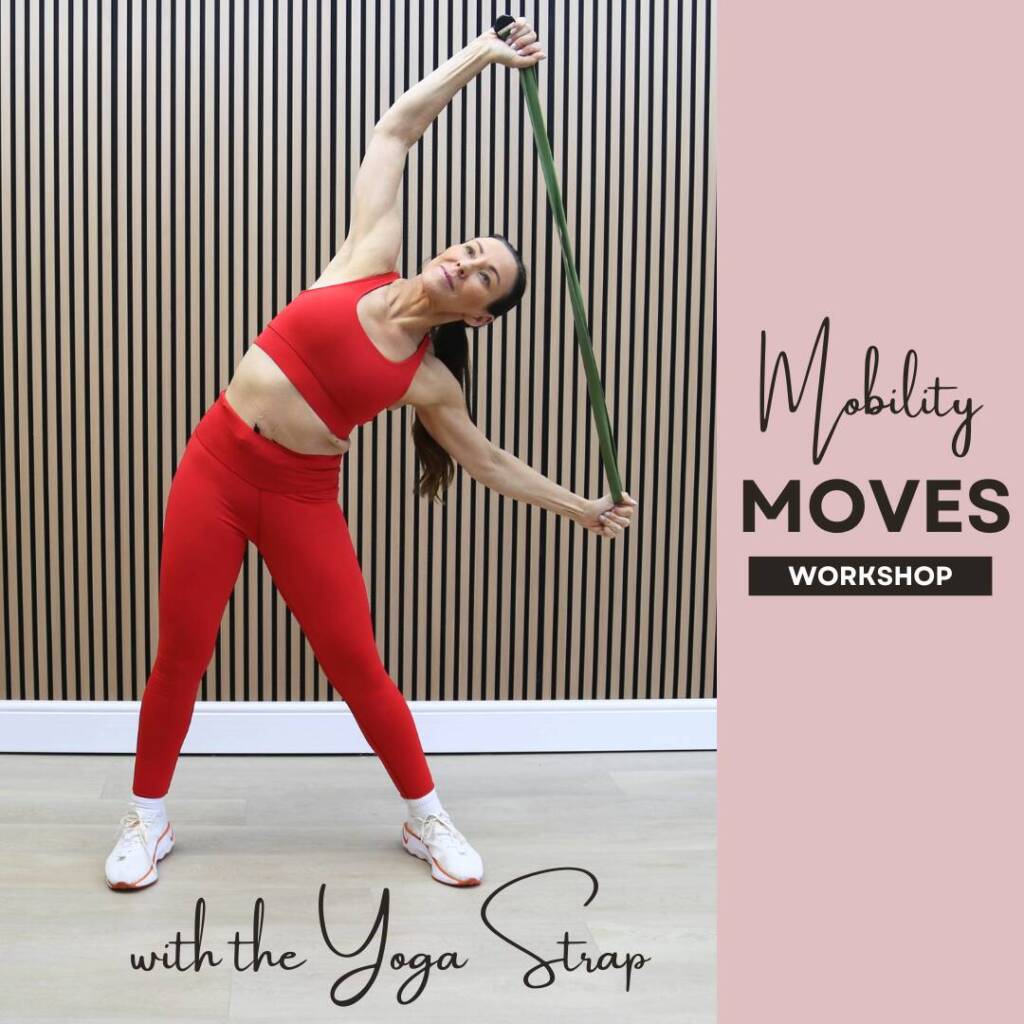
Mobility Moves with the Yoga Strap Workshop
£67.00 Original price was: £67.00.£47.00Current price is: £47.00.
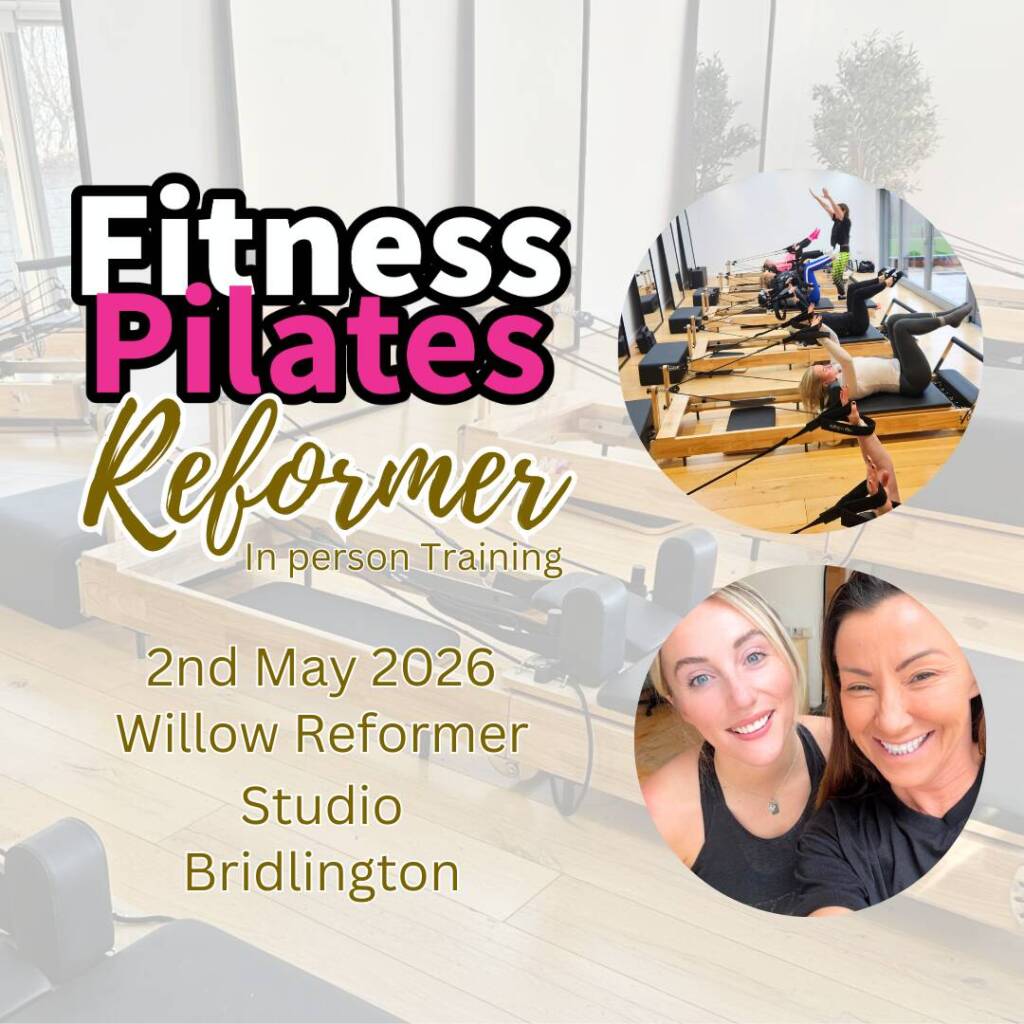
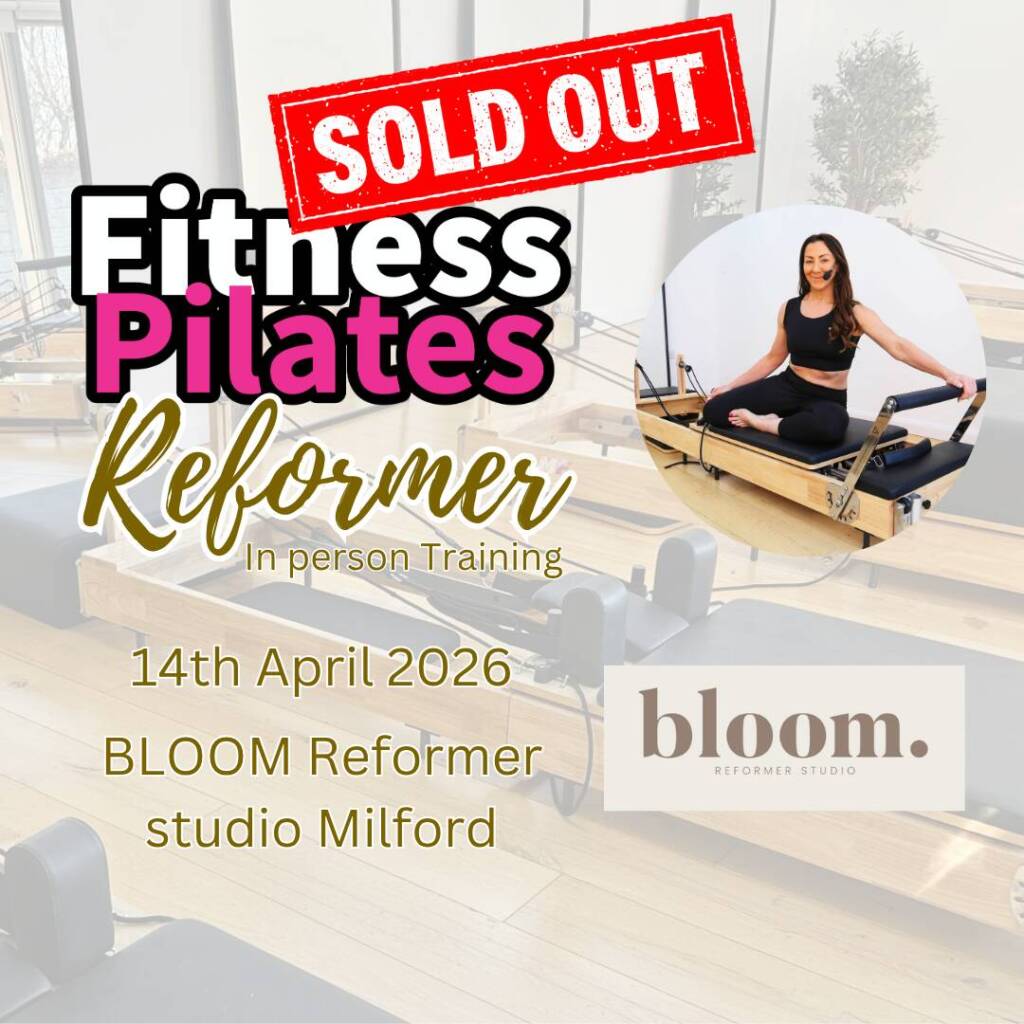
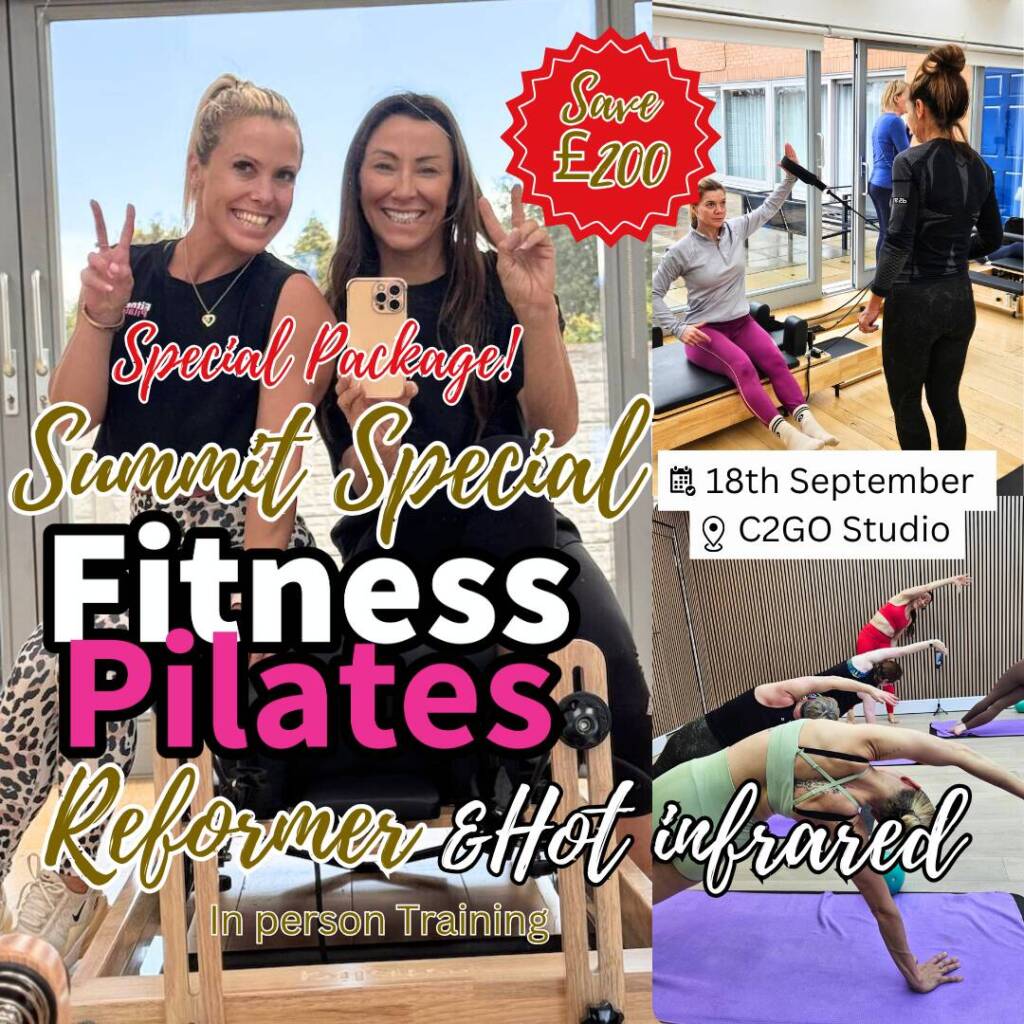
Reformer Fitness Pilates + Hot Fitness Pilates Instructor Certification Live PACKAGE SUMMIT SPECIAL 18th SEPTEMBER
£1,094.00 Original price was: £1,094.00.£799.00Current price is: £799.00.
The latest Fitness Pilates blogs & news
Join the Fitness Pilates newsletter
A short description introducing your business and the services to visitors.