


The Fitness Pilates Blog
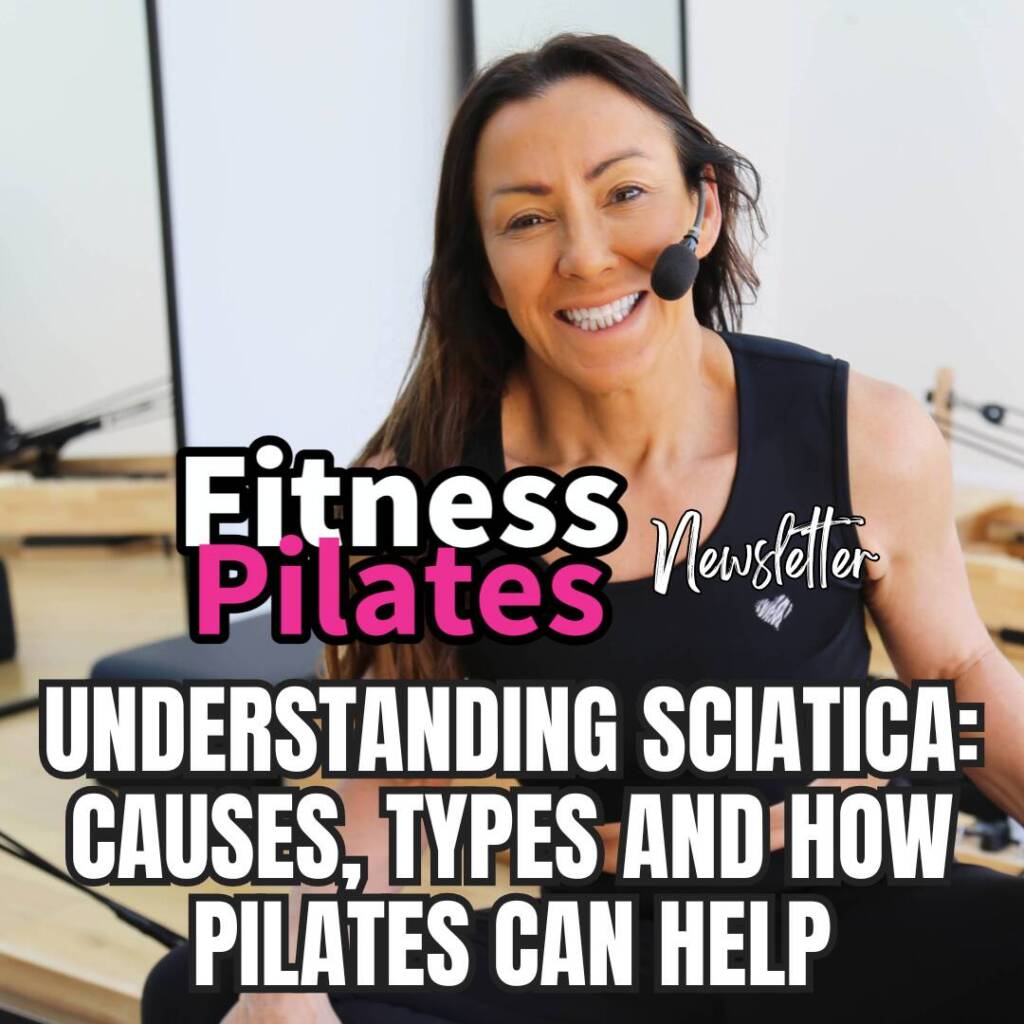
Understanding Sciatica: Causes, Types and How Pilates Can Help
This week we are looking at sciatica, which I have covered before, but I know quite a few Fitness Pilates teachers are currently struggling with it themselves. I thought it would be a good topic to revisit and talk about today.
It’s been a busy week delivering the Fitness Pilates Reformer on the Mat workshop, using balls, bands, blocks, rings and other small equipment to replicate reformer-style work on the mat. It was a really popular workshop, and if you missed it last week you can still access the replay.
It was also lovely to see everyone in Gloucester for the Fitness Pilates Reformer training and the FPR course delivered here in the CG studio.
We are now officially on the IFS Blackpool countdown, so if you’re going, do let me know — it would be great to see you there.
Understanding Sciatica: Causes, Types and How Pilates Can Help
Sciatica is a common condition that can cause pain, tingling, numbness, or weakness that travels from the lower back into the buttock and sometimes down the leg. It occurs when the sciatic nerve, the longest nerve in the body, becomes irritated or compressed.
Many people with sciatica are unsure whether exercise will help or make the pain worse. In many cases, gentle movement and carefully selected exercises can support recovery and improve mobility, which is where Pilates can be beneficial.
What Is the Sciatic Nerve?
The sciatic nerve begins in the lower spine (lumbar spine) and travels through the pelvis, down the back of the leg, and into the foot. When this nerve becomes irritated or compressed, it can cause the symptoms commonly described as sciatica.
Typical symptoms may include:
• pain in the lower back, buttock, or leg
• tingling or “pins and needles”
• numbness in the leg or foot
• weakness in the leg
• discomfort when sitting for long periods
Symptoms may appear on one side of the body and can range from mild to severe.
Different Types of Sciatica
Sciatica is a general term, but the underlying cause can vary.
Disc-related sciatica
One of the most common causes is a bulging or herniated disc in the lower spine. The disc can press on a nerve root, causing pain that travels down the leg.
Piriformis syndrome
Sometimes the sciatic nerve becomes irritated by the piriformis muscle, a small muscle deep in the buttock. Tightness or spasm in this muscle can place pressure on the nerve.
Spinal stenosis
In some people, particularly as they age, the spinal canal narrows, which can compress the nerves in the lower back and lead to sciatic symptoms.
Spondylolisthesis
This occurs when one vertebra slips forward over another, which may affect the nerves in the lower spine.
Because the causes are different, symptoms and exercise tolerance can vary from person to person.
Can Pilates Help?
Fitness Pilates focuses on core strength, spinal stability, posture, and controlled movement, which can help support the spine and improve movement patterns.
For many people with mild or recovering sciatica, Pilates can help:
• strengthen the core muscles that support the spine
• improve mobility and flexibility
• reduce muscle tension
• improve posture and movement awareness
However, exercises may need to be modified depending on symptoms.
Pilates Considerations for Sciatica
In a Fitness Pilates class, instructors should encourage pain-free, controlled movement and avoid exercises that aggravate symptoms.
Helpful approaches may include:
• gentle pelvic tilts and spinal mobility exercises
• core stability work focusing on deep abdominal support
• glute strengthening to support pelvic stability
• gentle hip mobility exercises
Some people may find that prolonged forward bending or deep spinal flexion aggravates symptoms, while others may find extension movements uncomfortable, depending on the cause of the sciatica.
Because of this, exercises should always be adapted to the individual.
When to Seek Medical Advice
If someone experiences:
• severe or worsening leg pain
• numbness or weakness in the leg
• loss of bladder or bowel control
• pain following an injury
they should seek advice from a healthcare professional such as a GP or physiotherapist before exercising.
The Key Message
Gentle movement and gradual strengthening can support recovery. FP provides a controlled and supportive way to rebuild strength, improve mobility, and help people regain confidence in movement.
The most important rule is simple:
Movement should never increase pain. Exercises should always be modified so they remain comfortable and controlled.
Feel free to adapt and use for your members.
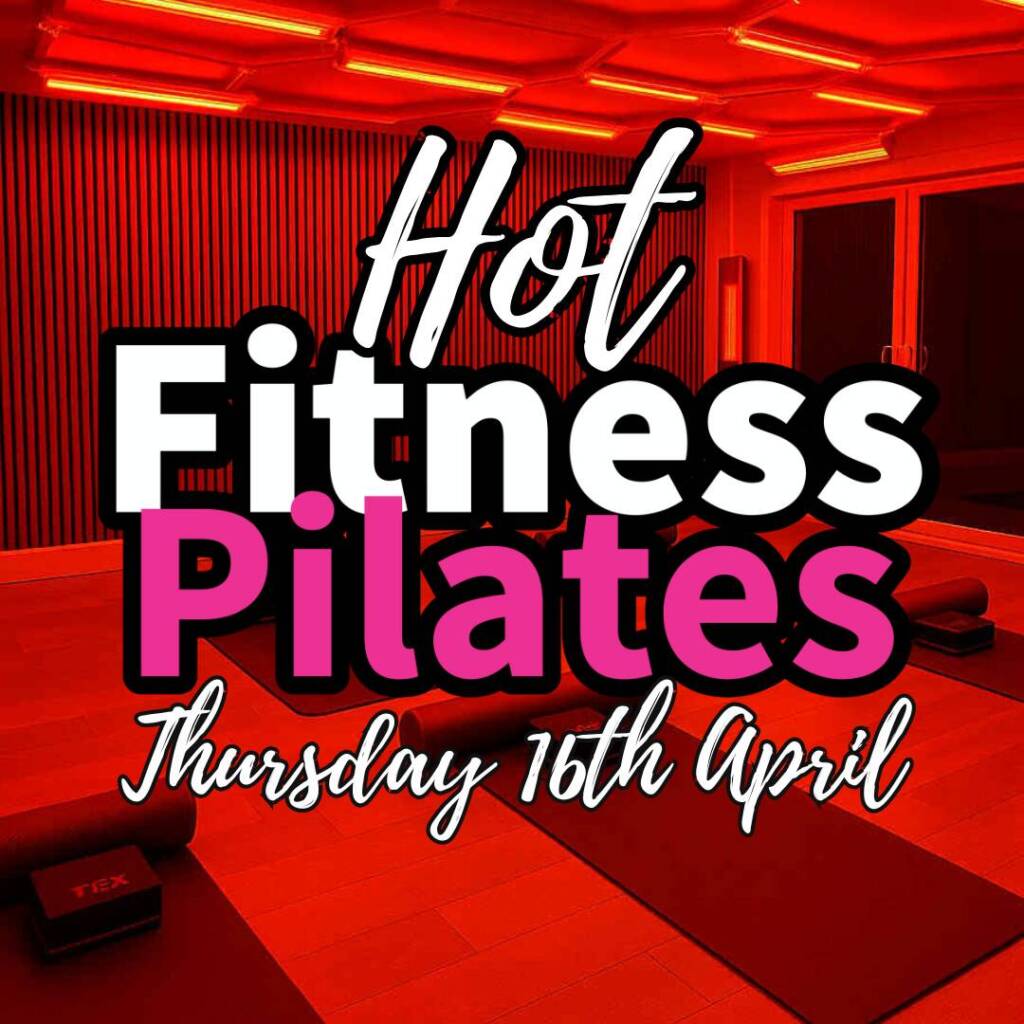
Have a great week and hope to se you on Fridays Content Creation Day or join me in my studio and experience a Redlight & Infrared Hot FP class and Dynamic Reformer masterclass all the details are below.
Much Love Rachel
Whats app 07976 268672
I have been filming a weekly vlog on Youtube as an experiment check it out here
If you’d like support with marketing, sales, social media, and business growth, you’re very welcome to join my Supporters Group.
Click here to find out more.
Join the FPVIP CLUB click here
Resources
If you’d like support with marketing, sales, social media, and business growth, you’re very welcome to join my Supporters Group.
Click here to find out more.
Join the FPVIP CLUB click here
TRAIN TO TEACH
Train to teach Fitness Pilates see our next dates here
Train to teach Level 3 Pilates ( no previous qualifications needed) click here
Train to teach Fitness Pilates reformer learn more
Train to teach Level 3 Reformer learn more
UPDATE YOUR CPD
NEED TO UPDATE YOUR CPD? See our list of CPD courses for Fitness Pilates instructors
FREE RESOURCES FOR FITPROS
FREE Choreography newsletter for class content and class plans
FREE Fitness Pilates Newsletter class plans, managing health conditions in a Pilates class.
The Reformer Newsletter – Class plans and music ideas for Teachers interested in Reformer.
Business Newsletter – This weeks I give you a step by step into creating an online course.
Share this post:
Latest Fitness Pilates Courses & Classes
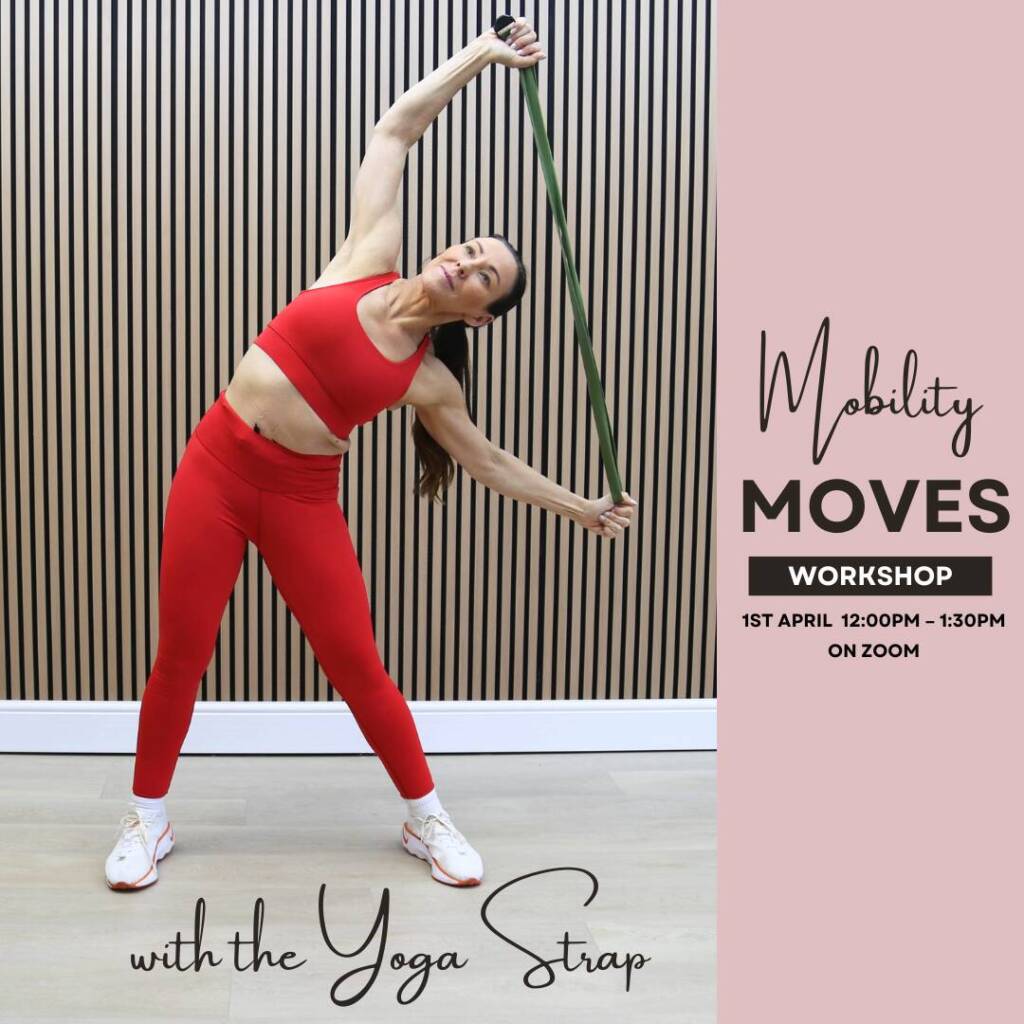
Mobility Moves with the Yoga Strap Workshop
£67.00 Original price was: £67.00.£47.00Current price is: £47.00.
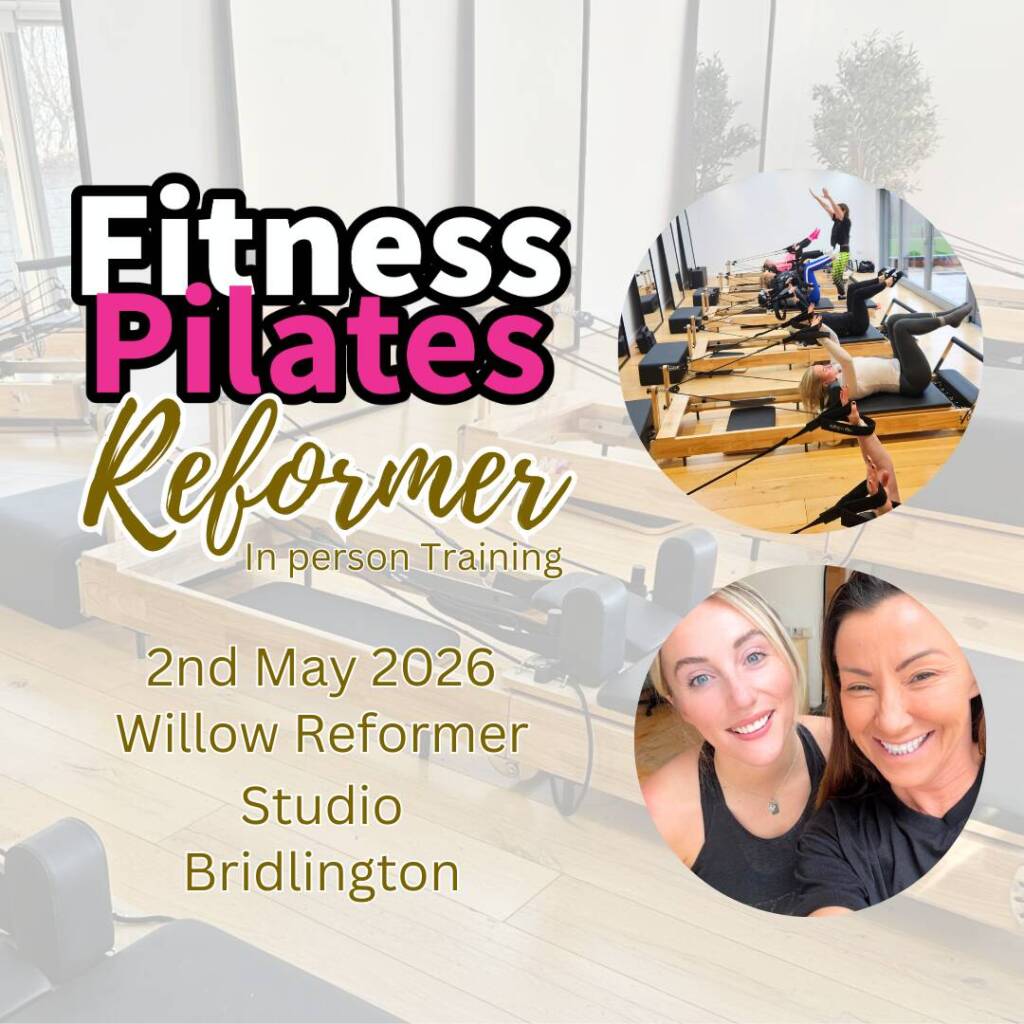
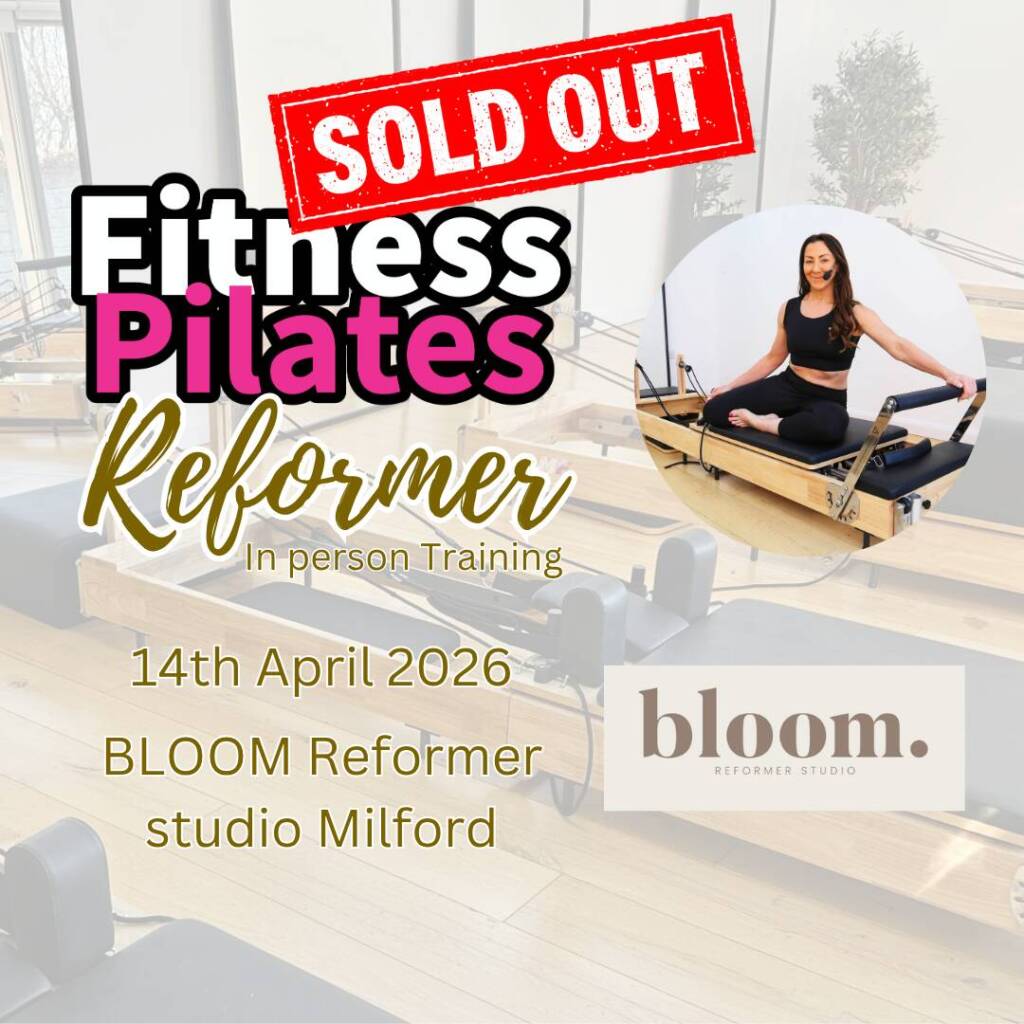
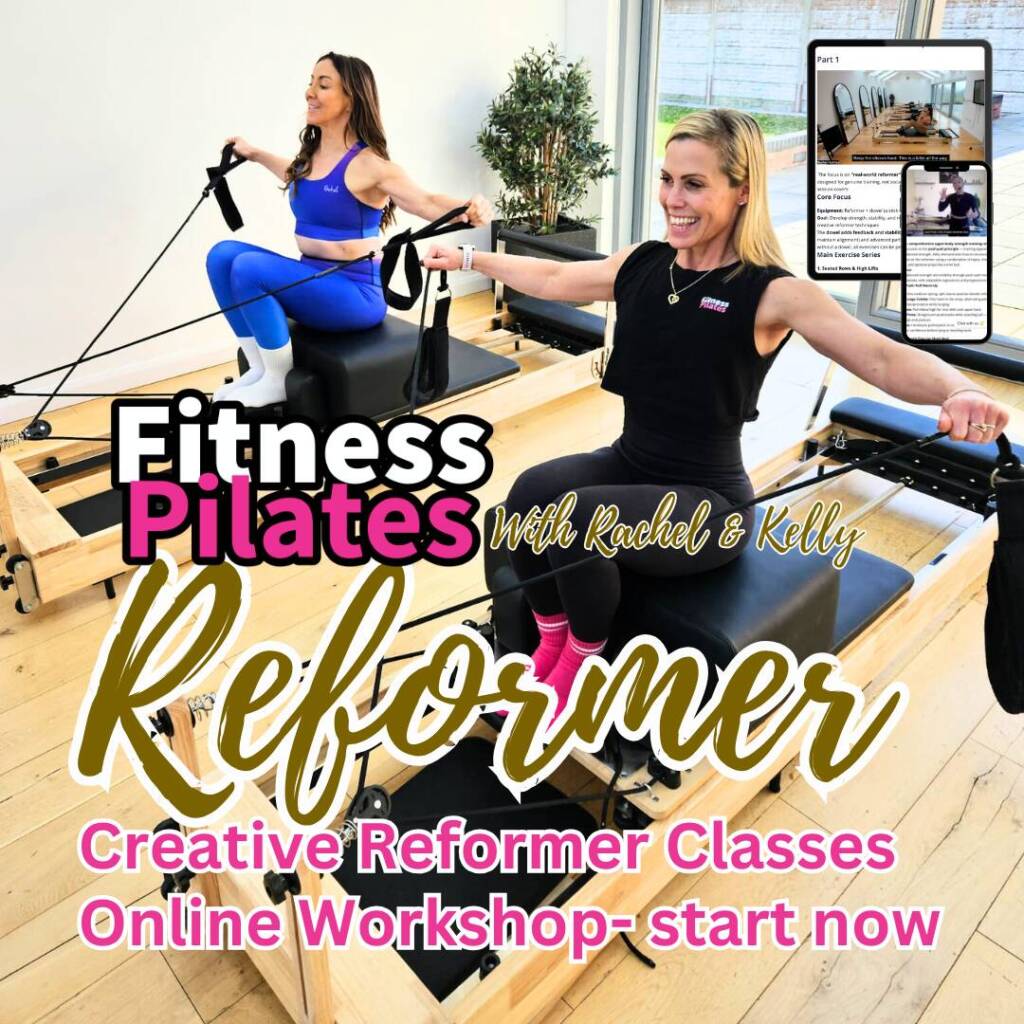
Creative Reformer Classes – Online Workshop
£75.00 Original price was: £75.00.£60.00Current price is: £60.00.
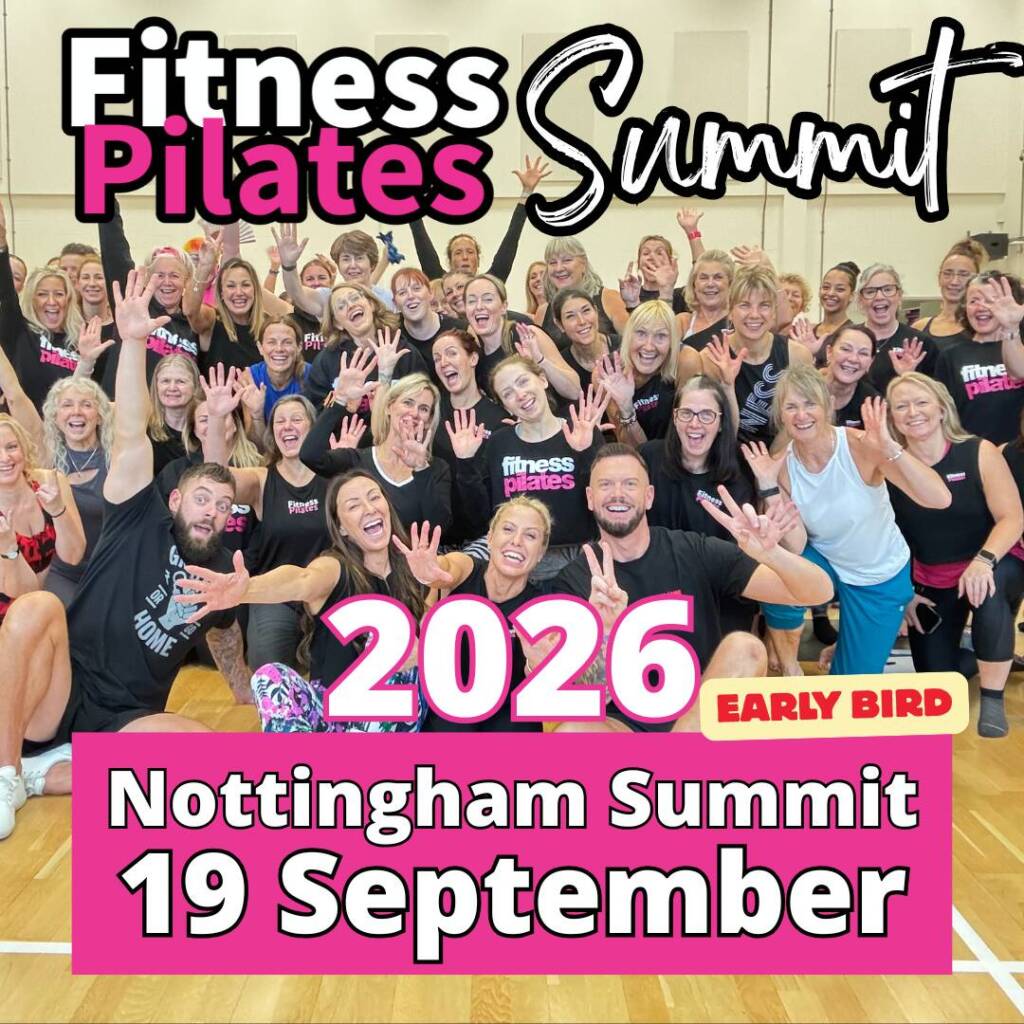
Fitness Pilates Summit Event 2026 EARLY BIRD TICKETS
£127.00 Original price was: £127.00.£99.00Current price is: £99.00.



The latest Fitness Pilates blogs & news
Join the Fitness Pilates newsletter
A short description introducing your business and the services to visitors.