

The Fitness Pilates Blog
What are Osteopenia and Osteoporosis? Fitness Pilates Newsletter
As we are just days away from Christmas, I wanted to close this year’s newsletter by returning to a topic we began earlier in the year — osteoporosis.
Bone health is something many people don’t think about until forced to — often after a fracture, a scan, or a conversation with a healthcare professional. As around 1 in 2 women have osteoporosis or osteopenia there will be a percentage of women in your Fitness Pilates class that may or may not know they have it.
What are Osteopenia and Osteoporosis?
- Osteopenia means bone density is lower than average, but not yet at the level of osteoporosis.
- Osteoporosis means bones have become weaker and more fragile, increasing fracture risk.
Osteopenia does not mean you will definitely develop osteoporosis — it’s often an early warning sign and an opportunity to act.
How common is it?
Low bone density is very common.
- Around 1 in 2 women and 1 in 5 men over the age of 50 will experience a fragility fracture in their lifetime
- Bone loss accelerates after menopause due to changes in oestrogen
- Many people are unaware they have osteoporosis until a fracture occurs
This is why education, screening, and appropriate movement matter so much.
Where does Osteoporosis affect the body?
Although bone loss is systemic (it affects the whole skeleton), fractures tend to occur in specific high-risk areas:
- Spine (vertebrae) – compression fractures, loss of height, rounded posture
- Hips – often following a fall and associated with longer recovery
- Wrists – commonly fractured when catching a fall
- Ribs – in more advanced cases
You may have osteoporosis in the spine but not yet in the hips, or vice versa — which is why individual assessment matters.
How do you know if you have osteoporosis?
The most accurate way to assess bone density is through a DEXA scan, which usually measures the hips and spine.
Results are given as a T-score:
- Normal: above -1
- Osteopenia: -1 to -2.5
- Osteoporosis: below -2.5
Many people feel perfectly well, which is why osteoporosis is often referred to as a “silent condition.”
Signs and symptoms to be aware of
Often there are no obvious symptoms, but possible signs include:
- Loss of height over time
- Rounded upper back or stooped posture
- Unexplained back pain
- Fractures from minor falls or low-impact incidents
The DO’s for Osteoporosis & Osteopenia
Bone health is not about stopping movement — it’s about choosing the right kind of movement.
Focus on:
- Regular, consistent exercise
- Weight-bearing movement
- Strength training to support bones
- Balance and posture work
- Controlled, mindful movement rather than force
In Fitness Pilates, we prioritise alignment, stability, strength, and confidence — all key elements for long-term bone health.
The DON’Ts to be mindful of
Certain movements increase fracture risk, particularly for the spine.
Avoid or modify:
- Repeated or forceful spinal flexion
- Deep forward bending under load
- Twisting combined with flexion
- Fast, jerky or high-impact movements
- Aggressive stretching at end range
Movement should feel supportive, not stressful.
Fitness Pilates: Exercises that SUPPORT Bone Health
Fitness Pilates can be incredibly beneficial when programmed appropriately.
Helpful movement patterns include:
Standing work
- Squats and sit-to-stand
- Standing leg strength
- Balance exercises
- Upright functional movement
Supine and side-lying
- Neutral spine core work
- Bridges (small to moderate range)
- Side-lying leg strength
- Light resistance arm work
Prone (where appropriate)
- Back body strengthening
- Postural and upper back support
- Gentle spinal extension
The focus is on hip strength, posture, balance, and confidence.
Exercises to avoid or modify in Fitness Pilates
- Roll-ups and roll-downs
- Crunches and sit-ups
- Deep spinal flexion stretches
- Bicycle-style abdominal work
- Russian twists or loaded rotation
Some gentle flexion may be appropriate for individuals with osteopenia, but this should always be individualised and progressed carefully.
The most important message
Bone health is not about fear or restriction.
With the right approach:
- Movement becomes protective
- Strength builds confidence
- Posture improves function
- Balance reduces fall risk
Consistency matters far more than intensity.
Final thought
With intelligent, well-structured Fitness Pilates, we can support bone strength, posture, balance, and confidence at every stage of life.
I hope you find this article useful and are able to share it with your clients.
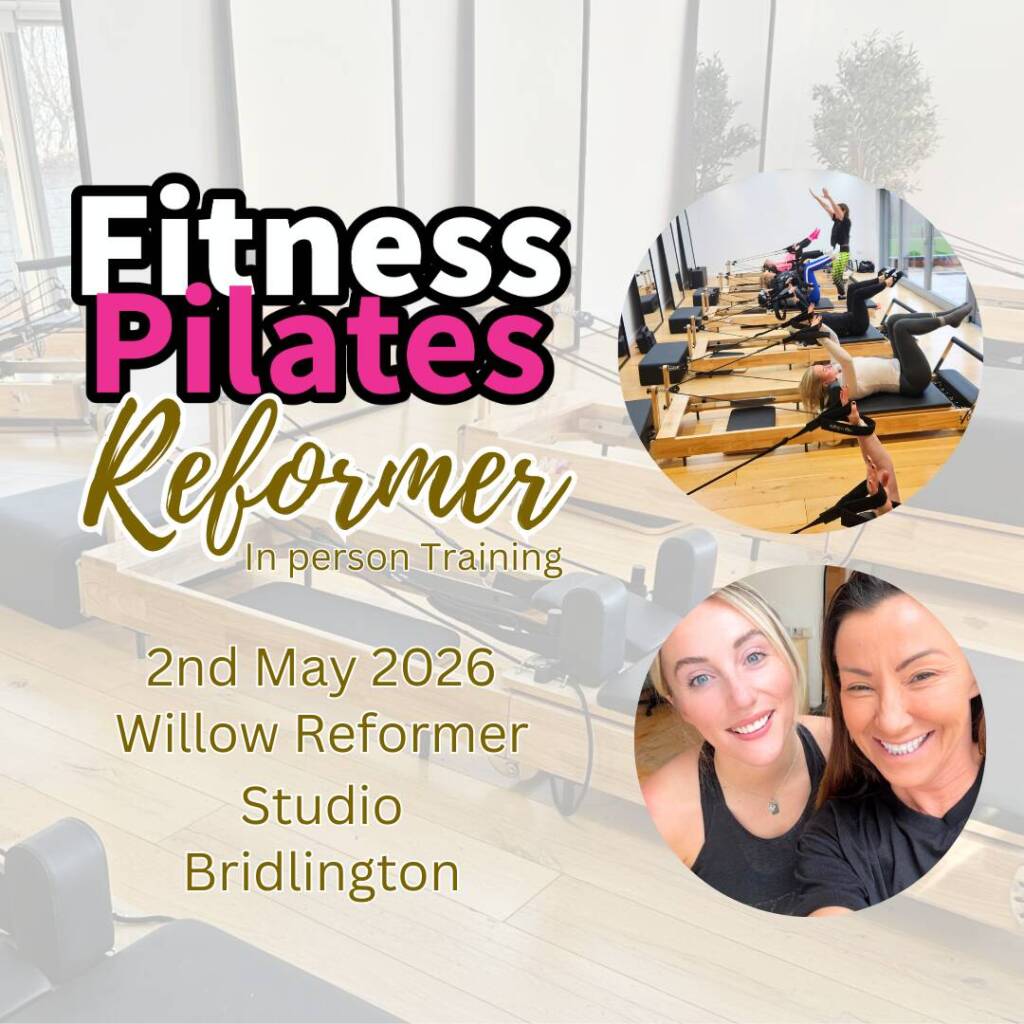
If you’re interested in Reformer Teacher Training, either Fitness Pilates Reformer or the Level 3 Reformer Pilates (Group & One-to-One) qualification, we’re running face-to-face courses at the C2GO Studio on 2nd and 3rd January. Full details are below.
If you’re considering adding Reformer to your teaching or studio offering, I also have a great contact for sourcing reformers — so please feel free to get in touch for a chat on 07976 268672.
Wishing you a wonderful Christmas
Love always
Rachel x
NEED TO UPDATE YOUR CPD? See our list of CPD courses for Fitness Pilates instructors
CLICK HERE to see our FREE 12 festive pilates ideas for instructors
FREE RESOURCES FOR FITPROS
FREE Choreography newsletter for class content and class plans
FREE Fitness Pilates Newsletter class plans, managing health conditions in a Pilates class.
The Reformer Newsletter – Class plans and music ideas for Teachers interested in Reformer.
Business Newsletter – This weeks I give you a step by step into creating an online course.
Share this post:
Latest Fitness Pilates Courses & Classes
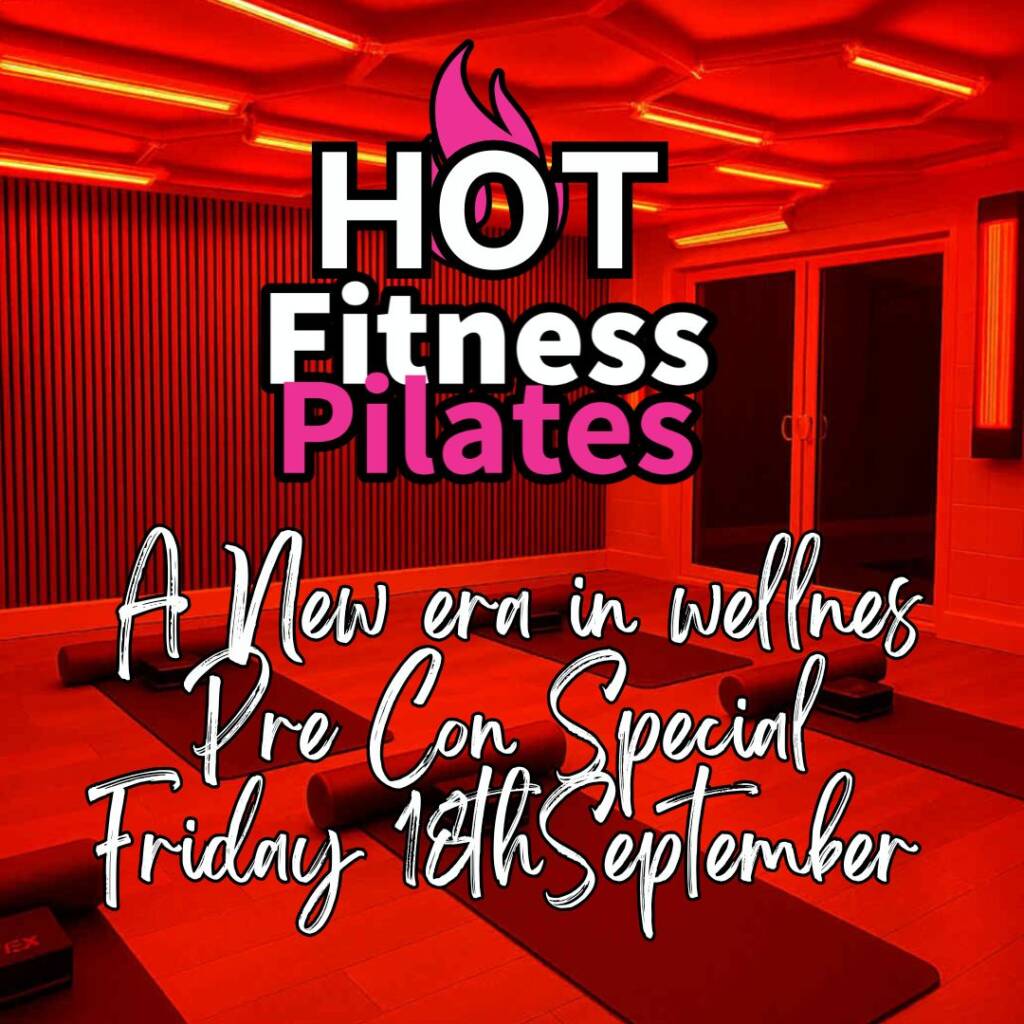
HOT Redlight Fitness Pilates — Instructor Certification SUMMIT SPECIAL 18th SEPTEMBER 830 – 12
£547.00 Original price was: £547.00.£500.00Current price is: £500.00.
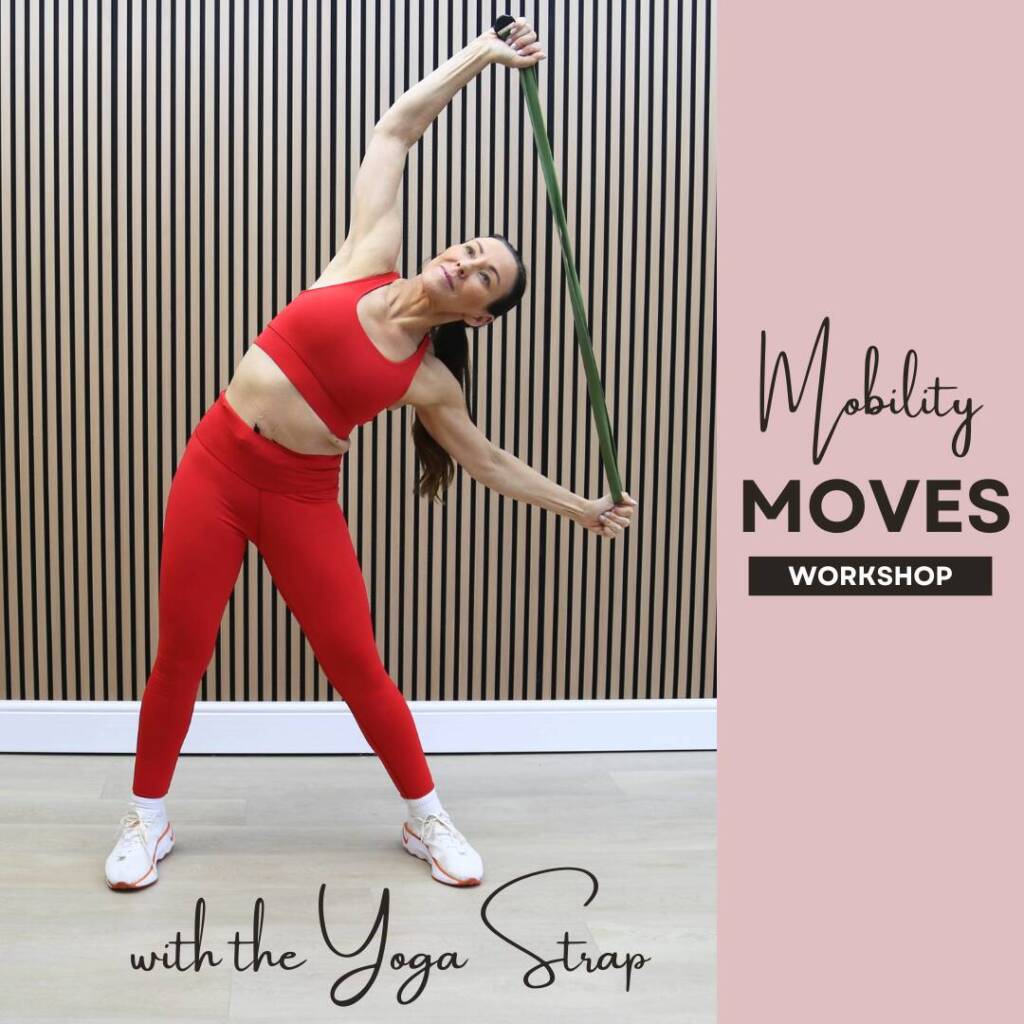
Mobility Moves with the Yoga Strap Workshop
£67.00 Original price was: £67.00.£47.00Current price is: £47.00.
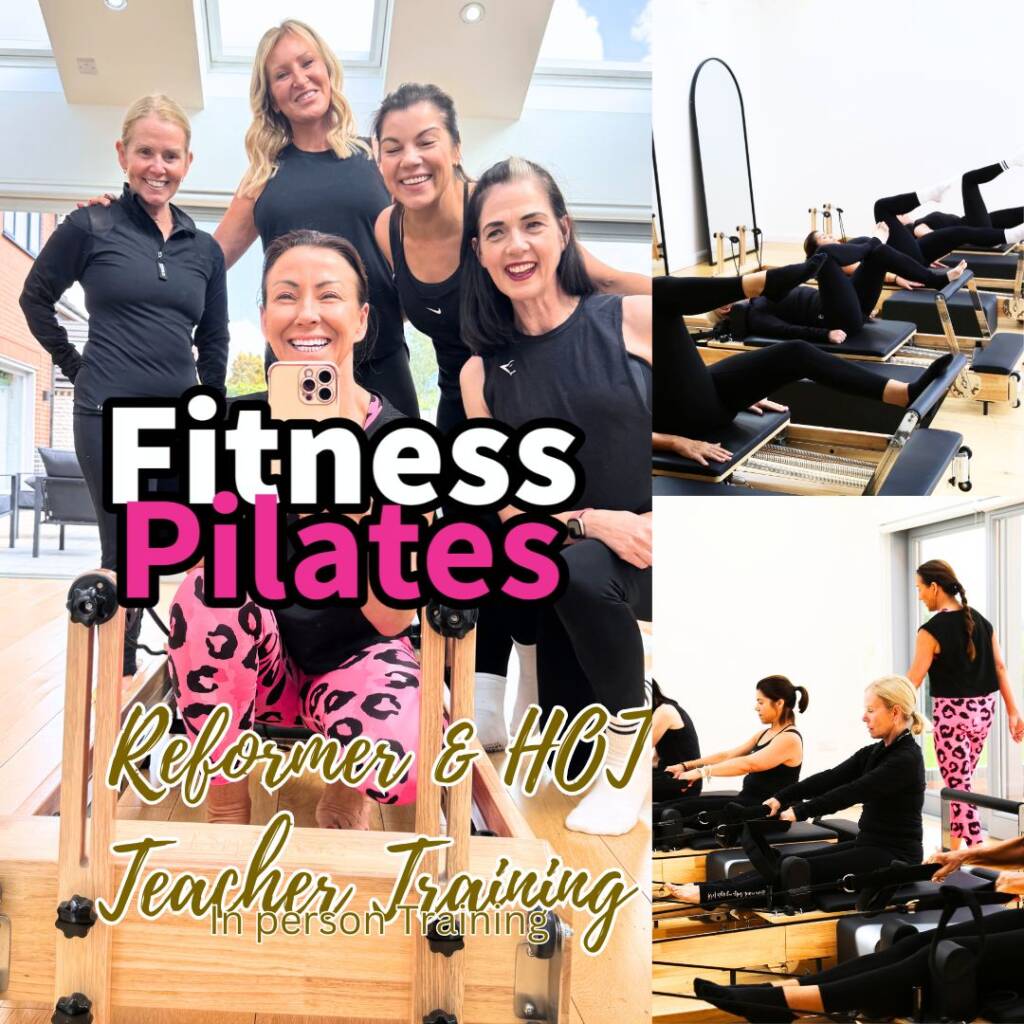
Reformer Fitness Pilates + Hot Fitness Pilates Instructor Certification Live PACKAGE SUMMIT SPECIAL 18th SEPTEMBER
£1,094.00 Original price was: £1,094.00.£799.00Current price is: £799.00.
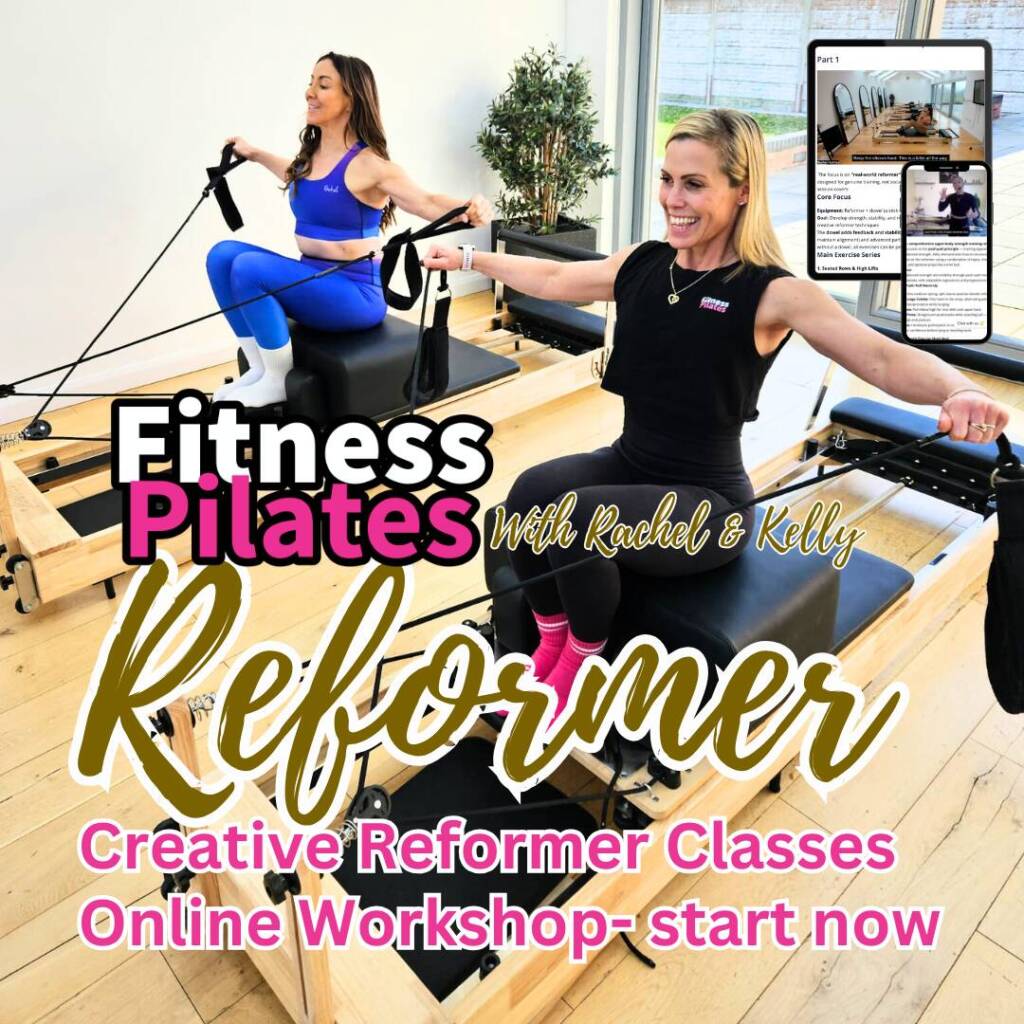
Creative Reformer Classes – Online Workshop
£75.00 Original price was: £75.00.£60.00Current price is: £60.00.
The latest Fitness Pilates blogs & news
Join the Fitness Pilates newsletter
A short description introducing your business and the services to visitors.