

The Fitness Pilates Blog
What Is Raynaud’s? Fitness Pilates newsletter
Hi
We have another busy week coming up with the Fitness Pilates Reformer Online Course, and this weekend we’re running the Level 3 Pilates qualification.
I’ve written two pieces for this week’s newsletter — one focusing on Raynauds and Core Testing. I hope it is helpful.
What Is Raynaud’s?
Raynaud’s is a condition where the small blood vessels in the fingers and toes over-react to cold or stress.
When triggered, blood flow temporarily reduces and you may see:
- Fingers turn white → blue → red
- Numbness or tingling
- Cold, painful digits
- Throbbing as circulation returns
It’s more common in women and can be more noticeable in colder environments.
There are two types:
- Primary Raynaud’s – common and usually mild
- Secondary Raynaud’s – linked to autoimmune conditions and can be more severe
Fitness Pilates & Raynaud’s
The goal in class is to:
- Maintain warmth
- Improve circulation
- Reduce stress response
- Avoid prolonged compression of small vessels
Exercises That Work Well
Gentle Flow & Continuous Movement
- Low impact standing flows
- Controlled squats and lunges
- Arm circles and mobility work
- March patterns
Keeps blood moving without intense strain.
Breathing Work
- Slow diaphragmatic breathing
- Rib expansion breathing
- Parasympathetic-focused relaxation
Stress is a trigger, so calming the nervous system helps.
Progressive Warm-Ups
- Gradual intensity build
- Avoid starting cold
- Encourage layers in winter
Circulation Boosters
- Calf raises
- Foot articulation
- Ankle mobility
- Gentle hand mobility work
Exercises to Be Cautious With
Prolonged Static Holds
- Long planks in a cold studio
- Long isometric holds
- Extended grip work
Cold Floor Work
- Lying still on a cold mat
- Bare feet in very cold environments
Encourage:
- Socks
- Layered clothing
- Warm studio temperature
High Stress Breath Holding
- Over-bracing
- Intense abdominal gripping
- Rapid transitions without recovery
Teaching Tips
- Keep the room comfortably warm
- Avoid abrupt intensity spikes
- Encourage gentle hand/finger mobility between exercises
- Avoid competitive pacing
- Emphasise breath-led control
What Is Core Testing in Relation to Biomechanics?
Core testing is the process of assessing how effectively the deep stabilising muscles of the trunk are working to support movement.
In biomechanics, we’re looking at how forces move through the body. The core is the transmission centre between the upper and lower body. If it’s not functioning well, movement patterns change — and compensation begins.
Core testing isn’t about how many sit-ups someone can do.
It’s about control, coordination, timing, and load management.
What Are We Actually Assessing?
When we test the core biomechanically, we’re looking at:
- Ability to maintain neutral spine
- Pelvic control
- Rib-to-pelvis relationship
- Breathing mechanics
- Deep stabiliser activation (transversus abdominis, pelvic floor, multifidus, diaphragm)
- Anti-rotation strength
- Load tolerance
We’re asking:
Can this person control movement before adding complexity?
Why It Matters in Pilates & Fitness
If the core isn’t functioning optimally, you may see:
- Rib flare
- Anterior pelvic tilt
- Excessive lumbar extension
- Glute gripping
- Neck tension
- Poor balance
- Recurrent back pain
Core dysfunction affects gait, squats, lunges, pressing, rotation — everything.
Examples of Core Tests
In a Pilates or movement setting, this might include:
- Supine abdominal bracing with breath control
- Heel slides maintaining neutral spine
- Dead bug pattern
- Plank with minimal pelvic shift
- Bird dog stability
- Side plank endurance
- Single leg balance assessment
The key isn’t strength — it’s quality.
What Are You Looking For?
- Can they breathe without losing alignment?
- Does the pelvis stay stable under limb movement?
- Is there shaking, gripping, or breath holding?
- Do superficial muscles dominate?
If control fails in simple positions, loading that client in complex patterns is premature.
In Biomechanical Terms
A well-functioning core:
- Transfers force efficiently
- Reduces shear forces on the spine
- Improves joint alignment
- Enhances movement economy
- Supports injury prevention
We look at Core testing in the Level 4 Pilates Qual.
Much Love Rachel
Whats app 07976 268672
I have been filming a weekly vlog on Youtube as an experiment check it out here https://youtu.be/qSOwQLaHbC4?si=itRIosDF_zqHkLgQ
Coming up this month…
Both Level 3 Pilates Mat & Level 3 Reformer courses are full in Feb, but there are limited spaces in March & April
Level 4 Pilates Starts on 28th Feb – get in touch if you are considering this qual.
Resources
If you’d like support with marketing, sales, social media, and business growth, you’re very welcome to join my Supporters Group.
Click here to find out more.
Join the FPVIP CLUB click here
Share this post:
Latest Fitness Pilates Courses & Classes
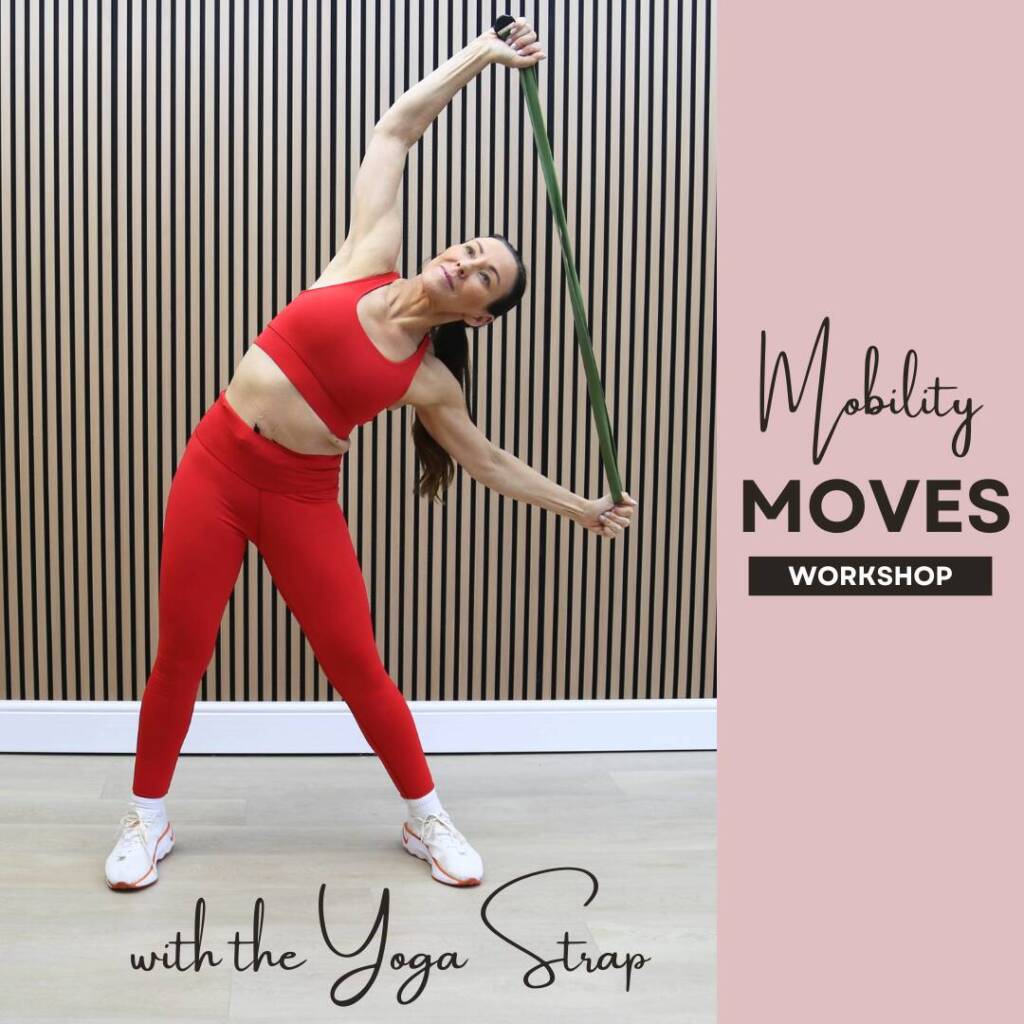
Mobility Moves with the Yoga Strap Workshop
£67.00 Original price was: £67.00.£47.00Current price is: £47.00.
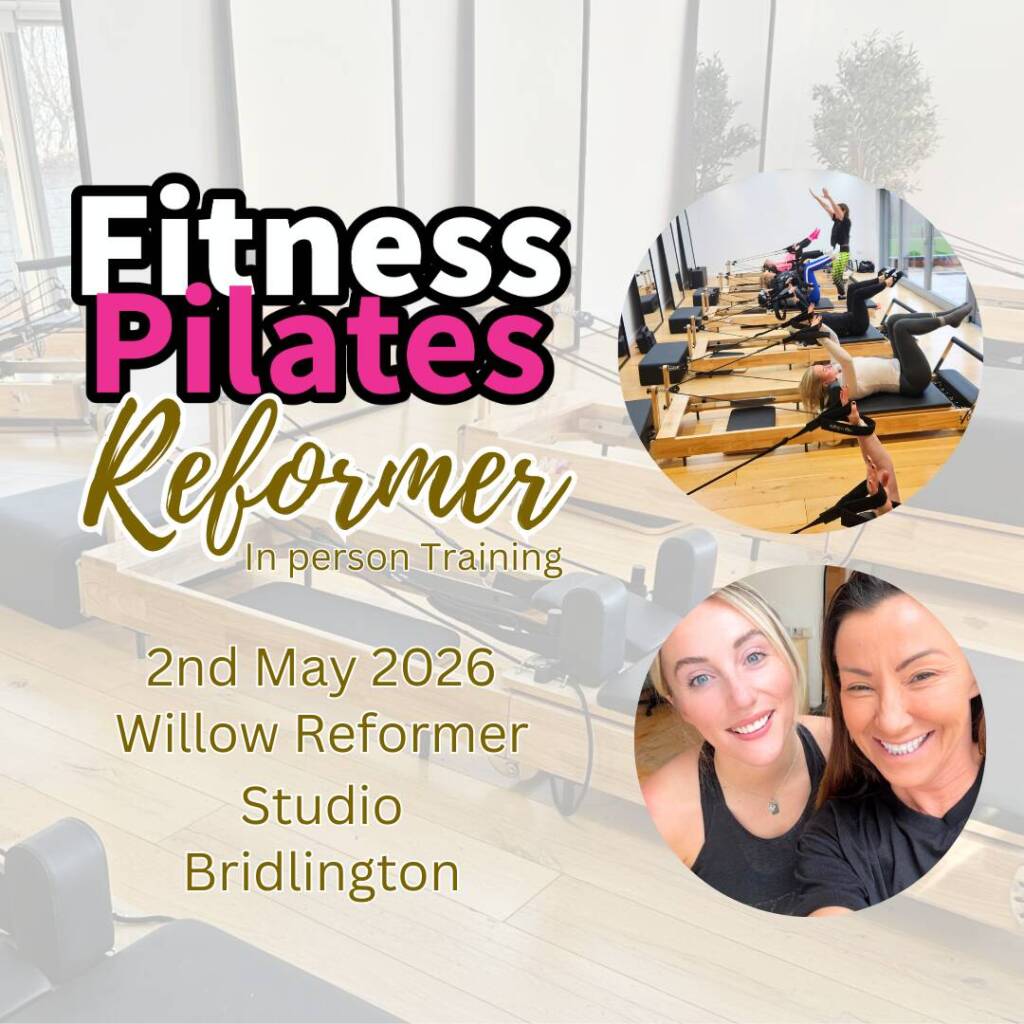
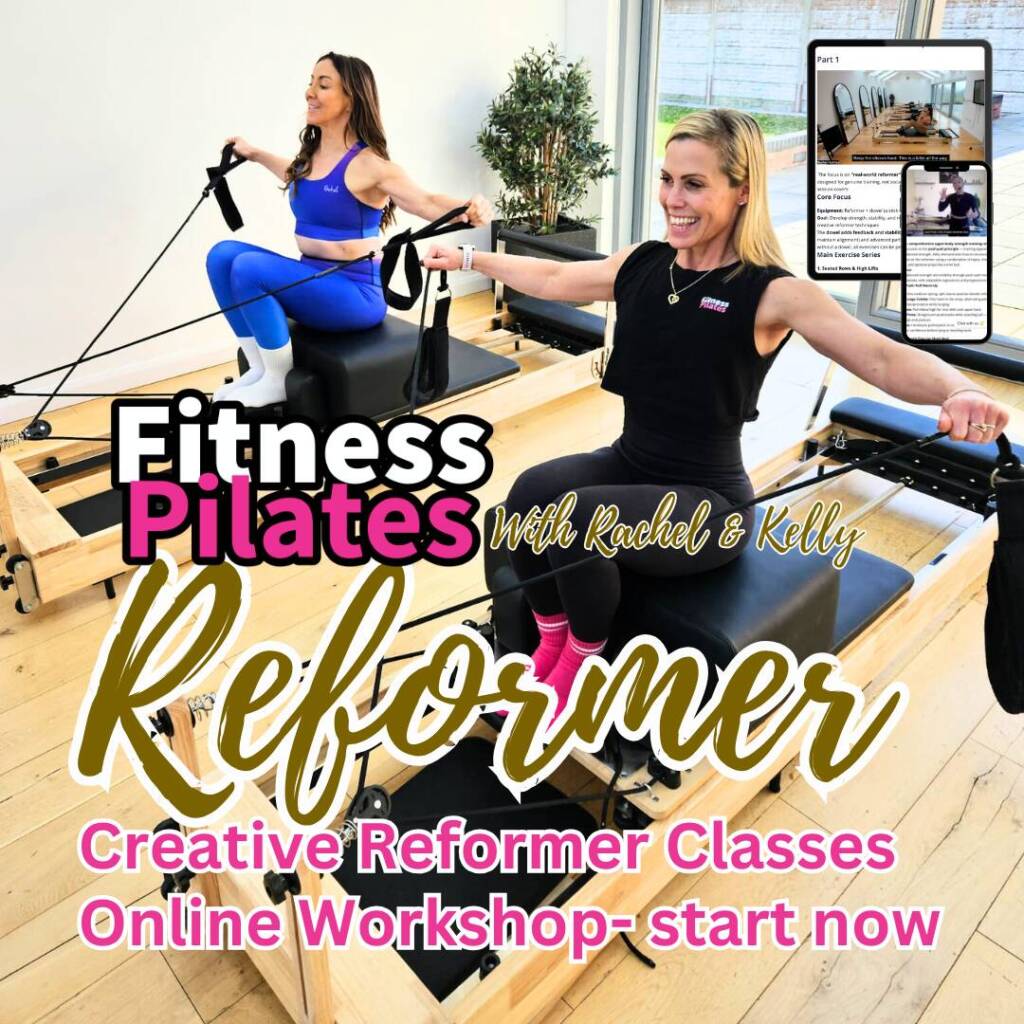
Creative Reformer Classes – Online Workshop
£75.00 Original price was: £75.00.£60.00Current price is: £60.00.
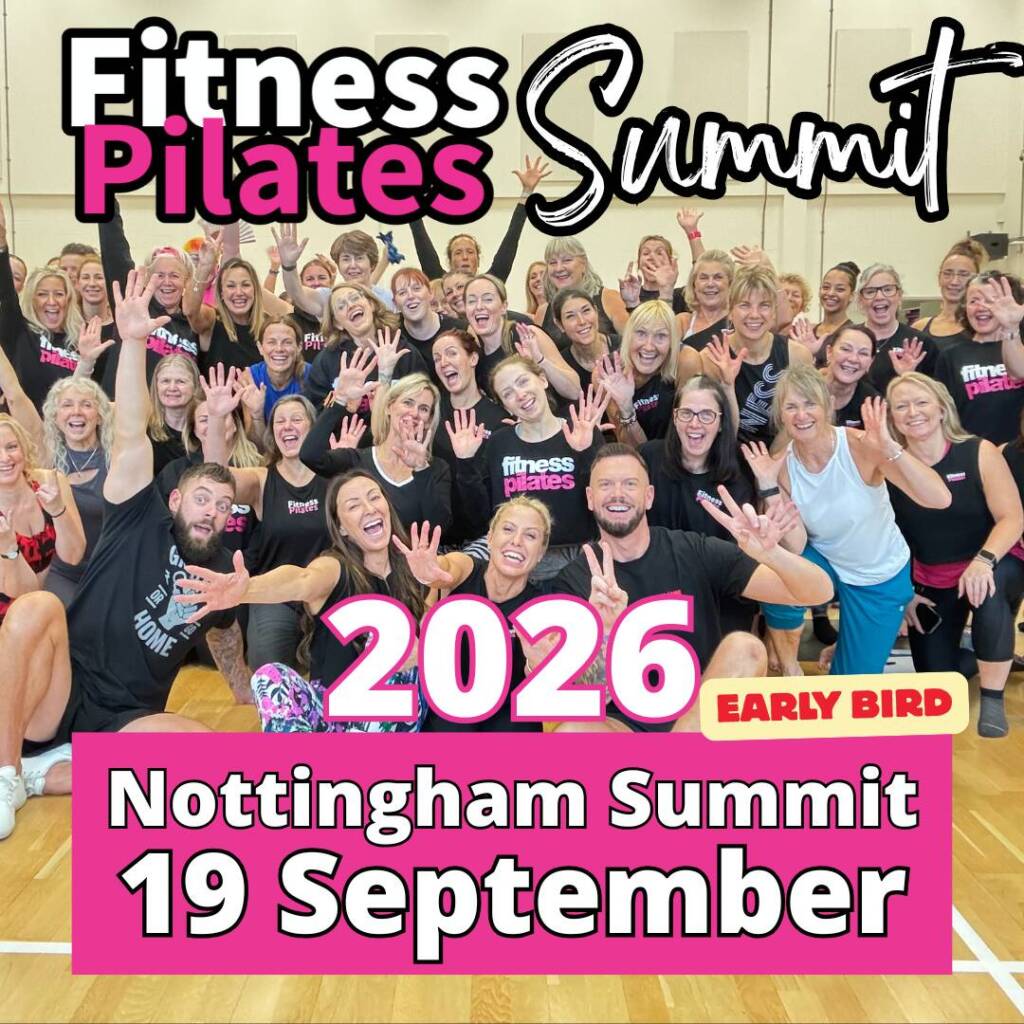
Fitness Pilates Summit Event 2026 EARLY BIRD TICKETS
£127.00 Original price was: £127.00.£99.00Current price is: £99.00.

The latest Fitness Pilates blogs & news
Join the Fitness Pilates newsletter
A short description introducing your business and the services to visitors.