


The Fitness Pilates Blog
What is What is Trochanteric Pain Syndrome (GTPS)? Fitness Pilates
Hi
Welcome to Feb I hope you have had a great January.
This week I hosted a Reformer Jump Board and Pole Workshop at the C2GO Studio, which was an absolute pleasure. I’m really enjoying running these small, intimate, in-person workshops, and I’ll be sharing the date for the next one later this week. I’ll be in Gloucester Nuffield on Friday and I have the first Hot Infrared Fitness Pilates teacher training of 2026 on Friday.
I had a number of requests over the past few weeks to cover GTPS, as several Fitness Pilates teachers are currently working with clients experiencing this condition and wanted a clear breakdown, along with the key do’s and don’ts. So, here we are.
Please do reach out if there are any topics you’d like me to cover, and I really hope you’re finding these newsletter articles helpful and supportive.
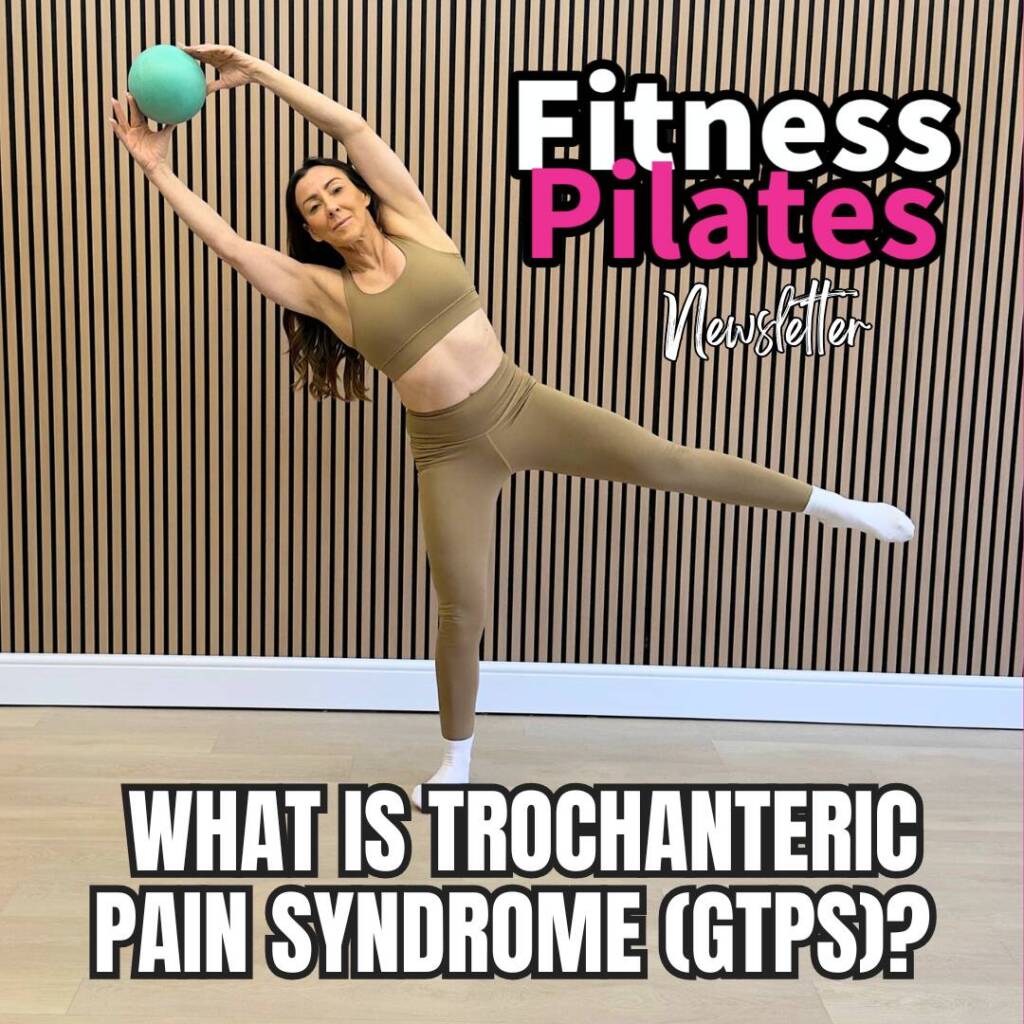
What is Trochanteric Pain Syndrome (GTPS)?
Trochanteric Pain Syndrome (GTPS) is a common cause of pain on the outside of the hip. It was previously referred to as trochanteric bursitis, but research now shows it is rarely just inflammation of the bursa.
GTPS usually involves:
- Irritation or degeneration of the gluteus medius and minimus tendons
- Compression of these tendons against the greater trochanter
- Sometimes irritation of the trochanteric bursa
It is best understood as a tendon and load-management issue, rather than a simple inflammatory condition.
Typical symptoms
- Localised pain on the outer hip, often tender to touch
- Pain when:
- Lying on the affected side
- Standing on one leg
- Walking upstairs or uphill
- Getting out of a car
- Pain may refer down the outer thigh
- Often worse at night
Many people describe it as:
“It feels bruised or like I’ve been kicked in the side of the hip.”
How does GTPS develop?
GTPS usually develops gradually due to repeated compression and overload, rather than a single injury.
Common contributors include:
- Prolonged side-lying (especially sleeping on one side)
- Weak or under-recruited gluteal muscles
- Poor pelvic control in single-leg activities
- Sudden increases in walking, running, or exercise intensity
- Over-stretching the lateral hip
- Prolonged sitting
- Hormonal changes (perimenopause and menopause can affect tendon health)
Who is most likely to get GTPS?
GTPS is particularly common in:
- Women aged 40–65
- Walkers and runners
- People doing lots of step work or lateral movements
- Those returning to exercise after injury
- Midlife women experiencing hormonal changes
It is one of the most common causes of lateral hip pain in women.
Fitness Pilates: what SHOULD you focus on?
The aim is to reduce compression, improve gluteal strength, and restore pelvic control.
Recommended exercises (within a pain-free range)
Focus on low-load, well-controlled movements:
- Supine pelvic stability work
- Glute bridges (neutral pelvis)
- Bridge holds with gentle abduction cueing
- Sit-to-stand patterns
- Bilateral squats (hip-width, controlled)
- Quadruped hip extension (small range)
- Side-lying work with the top leg supported
- Standing isometric glute med activation (wall press)
Exercises to MODIFY or AVOID (initially)
These movements increase compression at the lateral hip and often aggravate symptoms.
Avoid or significantly modify:
- Side-lying leg lifts with an unsupported top leg
- Clams or rolled-back clams
- Long-lever hip abduction holds
- Cross-leg or figure-4 stretches
- Sitting with legs crossed
- Deep lateral lunges
- High-rep banded lateral walks
Stretching the outer hip often worsens symptoms rather than helping.
A key Pilates teaching point
GTPS is not caused by “tight hips”.
It is caused by:
- Poor load tolerance
- Repeated compression
- Inadequate strength and control
The solution is:
- Less stretching
- Smarter strength work
- Better exercise selection
- Gradual progression
When to refer on
Referral to a physiotherapist is advised if pain:
- Persists beyond 6–8 weeks
- Worsens at night
- Increases with walking
- Does not improve despite appropriate exercise modification
In summary
GTPS is not a stretching problem — it’s a load-management and strength problem.
When programmed correctly, Fitness Pilates can be an excellent toolfor recovery and long-term hip health.
Does that help?
Do let me know and wishing you a lovely weekend.
Everyday we strive to be better teachers.
Have a wonderful day,
Rachel
Whats app 07976 268672
Coming up this month…
Both Level 3 Pilates Mat & Level 3 Reformer courses are full in Feb, but there are limited spaces in March & April
I’m travelling to Nuffield Gloucester this week to deliver Fitness Pilates reformer which is full so we’ve added another course on 5th March which only has a few spaces left.
Hot Fitness Pilates on Friday in person has one space left.
Resources
If you’d like support with marketing, sales, social media, and business growth, you’re very welcome to join my Supporters Group.
Click here to find out more.
Join the FPVIP CLUB click here
Share this post:
Latest Fitness Pilates Courses & Classes
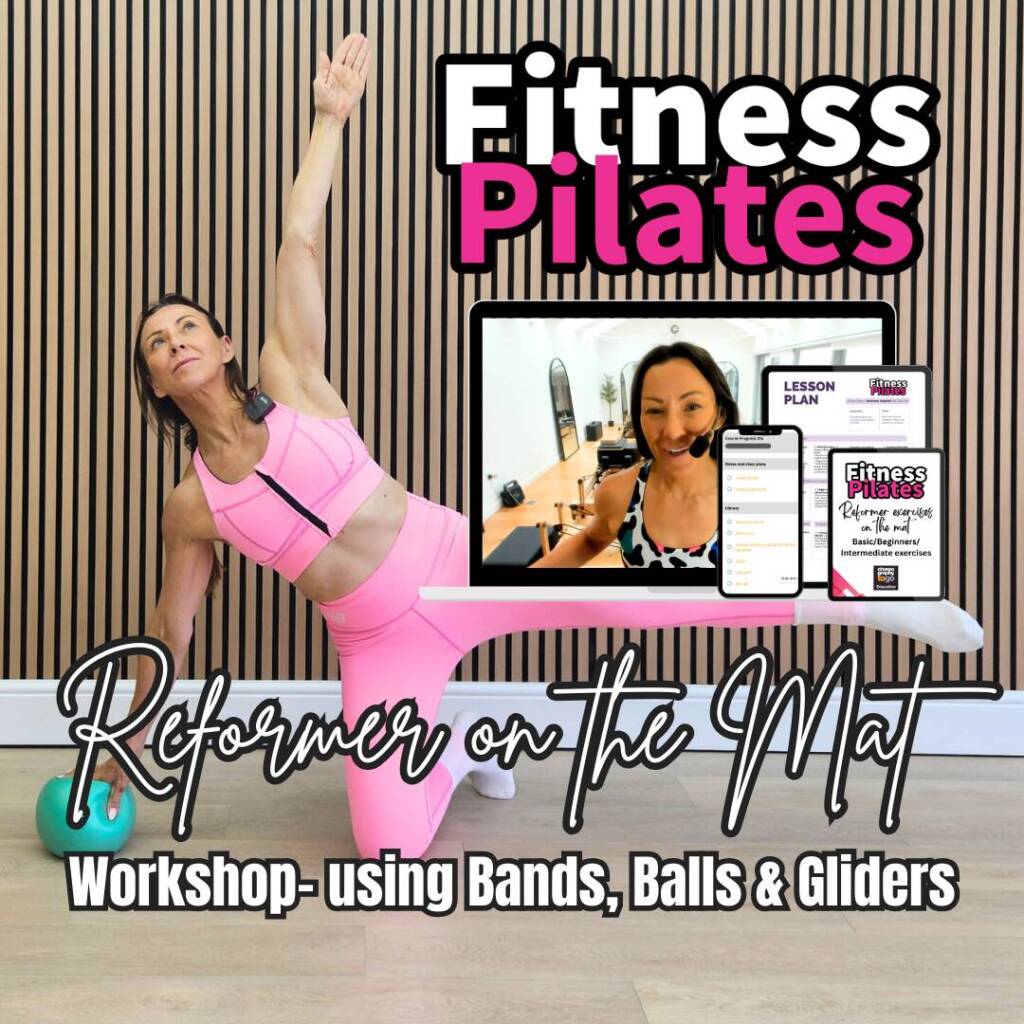
Fitness Pilates Reformer on the Mat Workshop Using Bands, Balls & Gliders
£67.00 Original price was: £67.00.£47.00Current price is: £47.00.
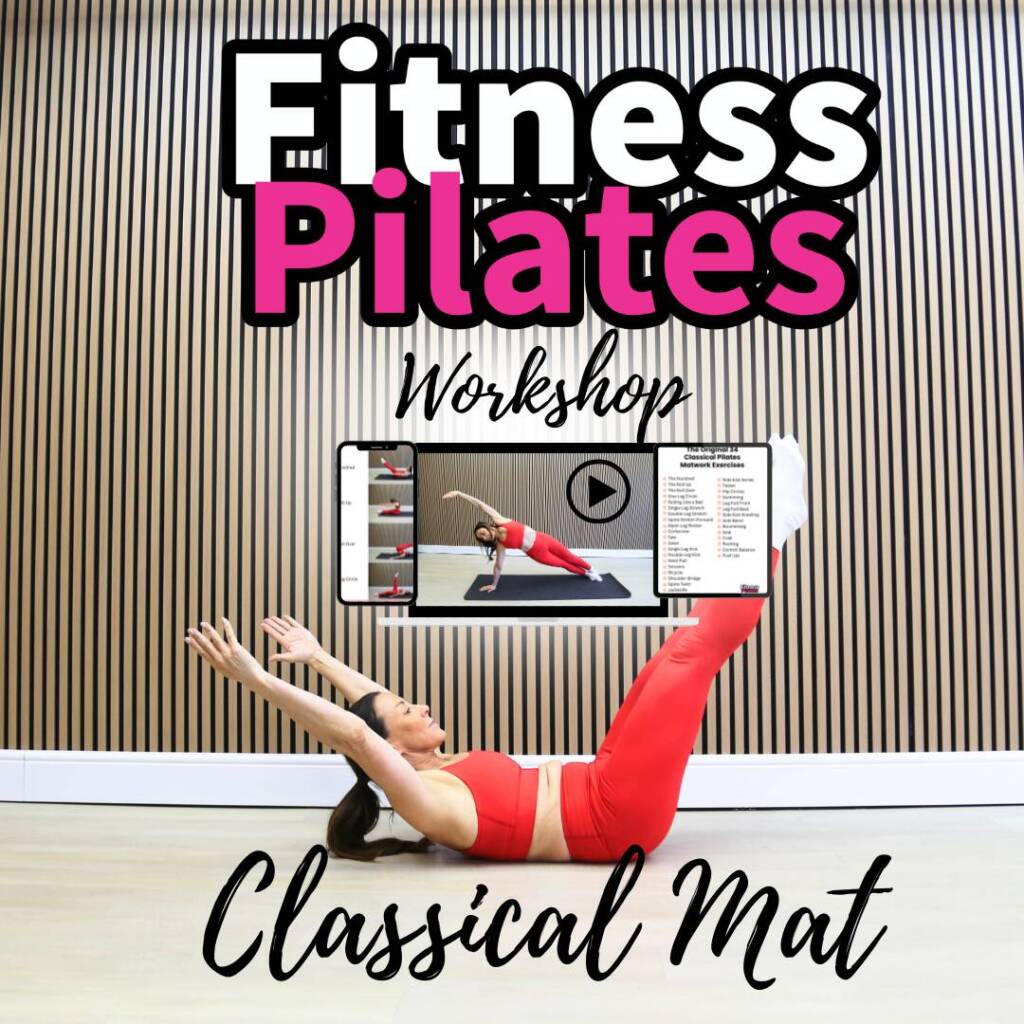
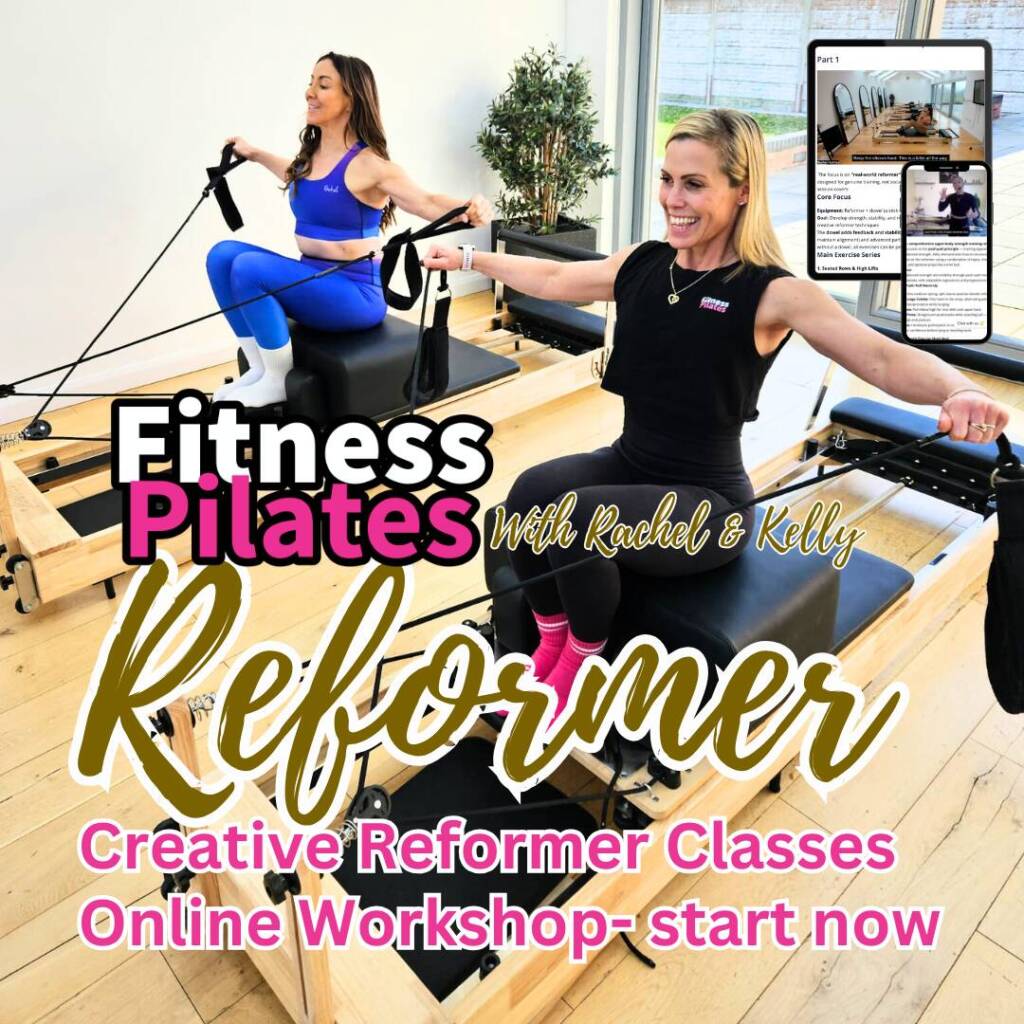
Creative Reformer Classes – Online Workshop
£75.00 Original price was: £75.00.£60.00Current price is: £60.00.

Fitness Pilates Summit Event 2026 EARLY BIRD TICKETS
£127.00 Original price was: £127.00.£99.00Current price is: £99.00.



The latest Fitness Pilates blogs & news
Join the Fitness Pilates newsletter
A short description introducing your business and the services to visitors.