


The Fitness Pilates Blog
Common Hip Conditions + Fitness Pilates Guidelines
I’ve just got back from presenting in Blackpool and wow… it was amazing.
If you came to any of my sessions, I’d really love your feedback.
I taught two brand new Fitness Pilates masterclasses:
Fitness Pilates Chill – a slow, controlled session focused on alignment, balance and posture across three planes of movement. Although the pace is slower, it’s very challenging and requires real control and focus.
Fitness Pilates Power Flow – a non-stop 60-minute session where all movements are seamlessly linked together. There are no breaks as we flow from one muscle group to another. It’s dynamic, intense and a real workout.
If you attended, I really hope you enjoyed the sessions.
Over the weekend I also spoke to so many fitness professionals dealing with a wide range of injuries, and hip issues came up a lot.
So I’ve put together a brief overview of some of the most common hip conditions.
If you’d like me to do a deeper dive into any of these, just let me know.
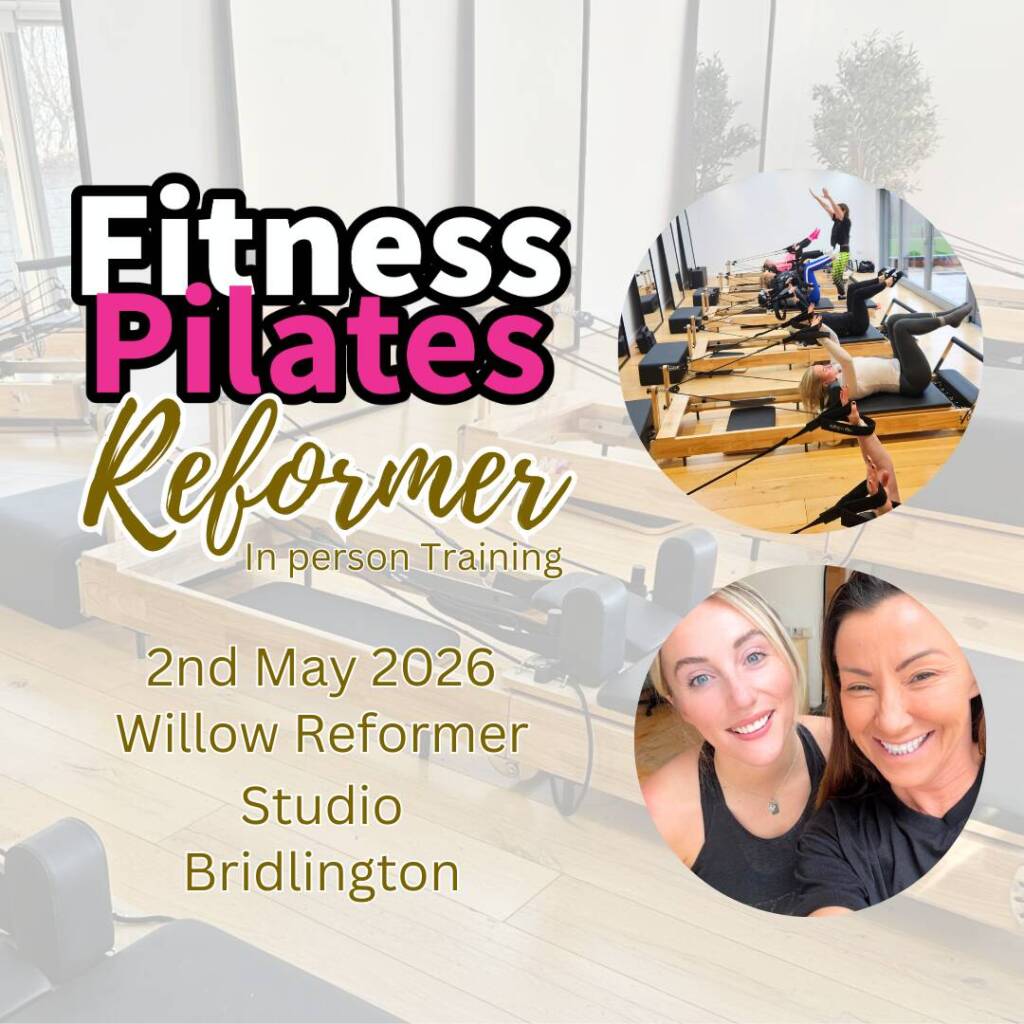
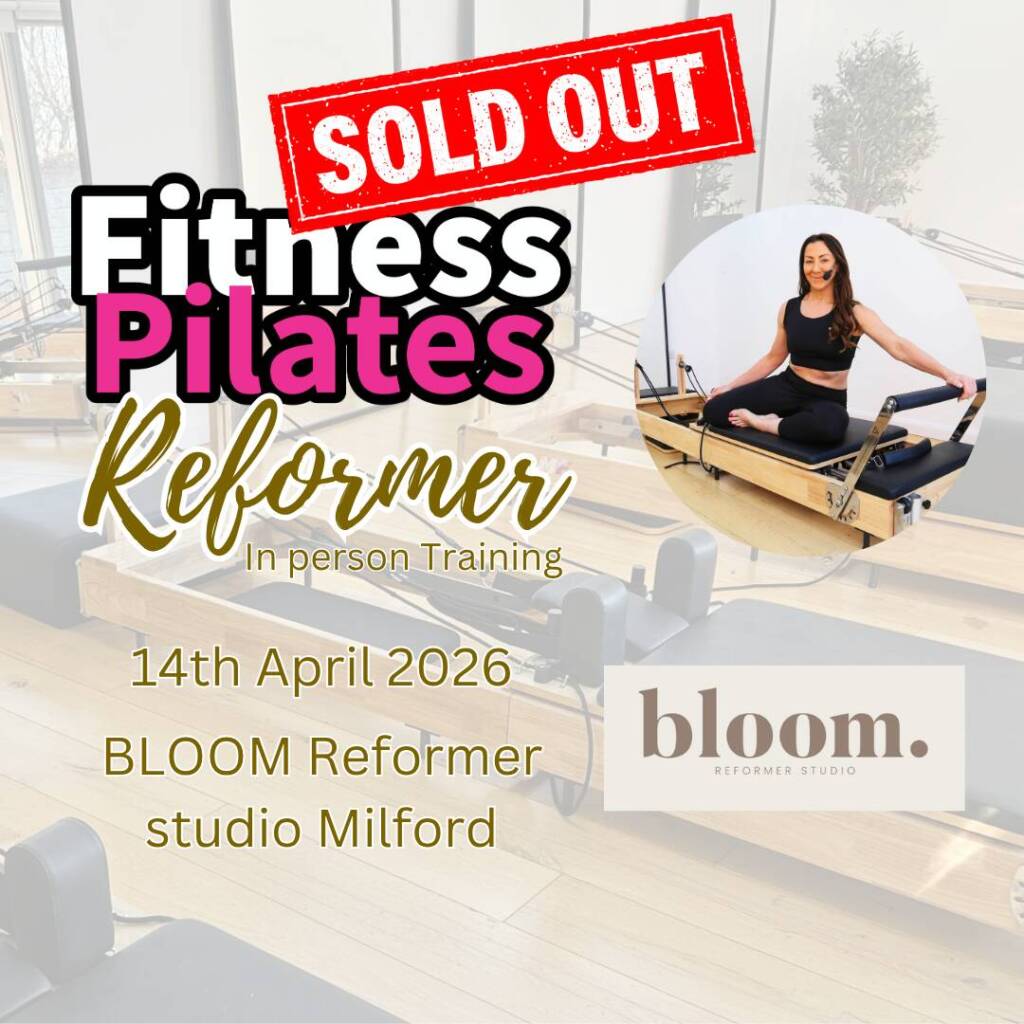
Ive added more Fitness Pilates Reformer training both here in the studio and a new studio opening in Bridlington. We have 1 last minute place for Thursdays Level 3 reformer training and have launched our new teens reformer course all the details below.
Common Hip Conditions + Fitness Pilates Guidelines
1. Hip Osteoarthritis
Presentation:
– Stiffness and reduced mobility
– Pain with weight bearing
– Difficulty with daily movements
Suitable exercises:
– Pelvic tilts
– Supine hip rolls
– Glute bridges
– Seated mobility work
– Gentle range of motion
Avoid:
– Deep squats or lunges
– High impact
– Forcing range
– Heavy resistance in large ranges
2. Hip Bursitis (Trochanteric)
Presentation:
– Outer hip pain
– Pain lying on side
– Pain with walking or stairs
Suitable exercises:
– Glute activation (bridges, gentle clams)
– Isometric holds
– Standing stability work
– Controlled mobility
Avoid:
– Lying on affected side
– High-repetition side leg lifts (early stage)
– Aggressive stretching
– Overuse
3. Hip Impingement (FAI)
Presentation:
– Pinching at front of hip
– Pain in flexion
– Limited range
Suitable exercises:
– Neutral spine work
– Core stability
– Glute strengthening
– Small controlled range movements
Avoid:
– Deep hip flexion
– Sit-ups dominated by hip flexors
– High knees / tucked positions
– Forcing range
4. Labral Tear
Presentation:
– Clicking, catching or locking
– Sharp pain
– Instability
Suitable exercises:
– Core stability
– Small controlled leg slides
– Glute work
– Pelvic stability
Avoid:
– Twisting under load
– Large range dynamic movements
– Deep rotation
– Fast transitions
5. Glute Tendinopathy
Presentation:
– Outer hip pain
– Pain lying on side
– Weakness in single-leg work
Suitable exercises:
– Isometric glute work
– Bridges
– Standing hip stability
– Slow controlled strengthening
Avoid:
– Stretching into pain
– Sitting cross-legged
– Hip drop positions
– High volume band work early on
6. Hip Flexor Strain / Tightness
Presentation:
– Tight or overactive hip flexors
– Anterior hip discomfort
– Lower back tension
Suitable exercises:
– Glute activation
– Core stability (neutral pelvis)
– Posterior chain strengthening
– Gentle release work
Avoid:
– Excessive leg lifts
– Overloading hip flexors
– Poor pelvic control
– Aggressive stretching
7. Hip Replacement (Total Hip Replacement – THR)
Presentation:
– Post-surgical joint replacement
– Reduced range initially
– Muscle weakness and reduced stability
– Fear of movement
Key considerations:
Depends on surgical approach (posterior/anterior) and stage of recovery
Always follow medical guidance and timeframes
Suitable exercises (progressive):
– Pelvic tilts
– Glute sets and bridges
– Heel slides
– Seated marching
– Sit-to-stand practice
– Gentle standing balance work
– Functional movement patterns
Avoid (especially early stages):
– Hip flexion beyond 90°
– Crossing legs
– Twisting on the standing leg
– Deep squats or lunges
– High impact
Fitness Pilates focus:
– Alignment and control
– Gradual strength rebuilding
– Confidence in movement
– Functional independence
Key Teaching Principles (Fitness Pilates)
Focus on:
– Neutral pelvis and alignment
– Controlled, pain-free range
– Glute activation before mobility
– Core stability first
– Slow, mindful movement
Avoid:
– Working through pain
– Forcing range
– Fast, uncontrolled reps
– Deep loaded hip flexion (early stages)
Keep an eye on my socials for details of the fitness pilates masterclasses as I will do some extra ZOOM sessions
Hope thats helpful:-)
Have a great day
Whats app me for questions 07976 268672
Love Rachel
If you’d like support with marketing, sales, social media, and business growth, you’re very welcome to join my Supporters Group.
Join the FPVIP CLUB click here
Share this post:
Latest Fitness Pilates Courses & Classes
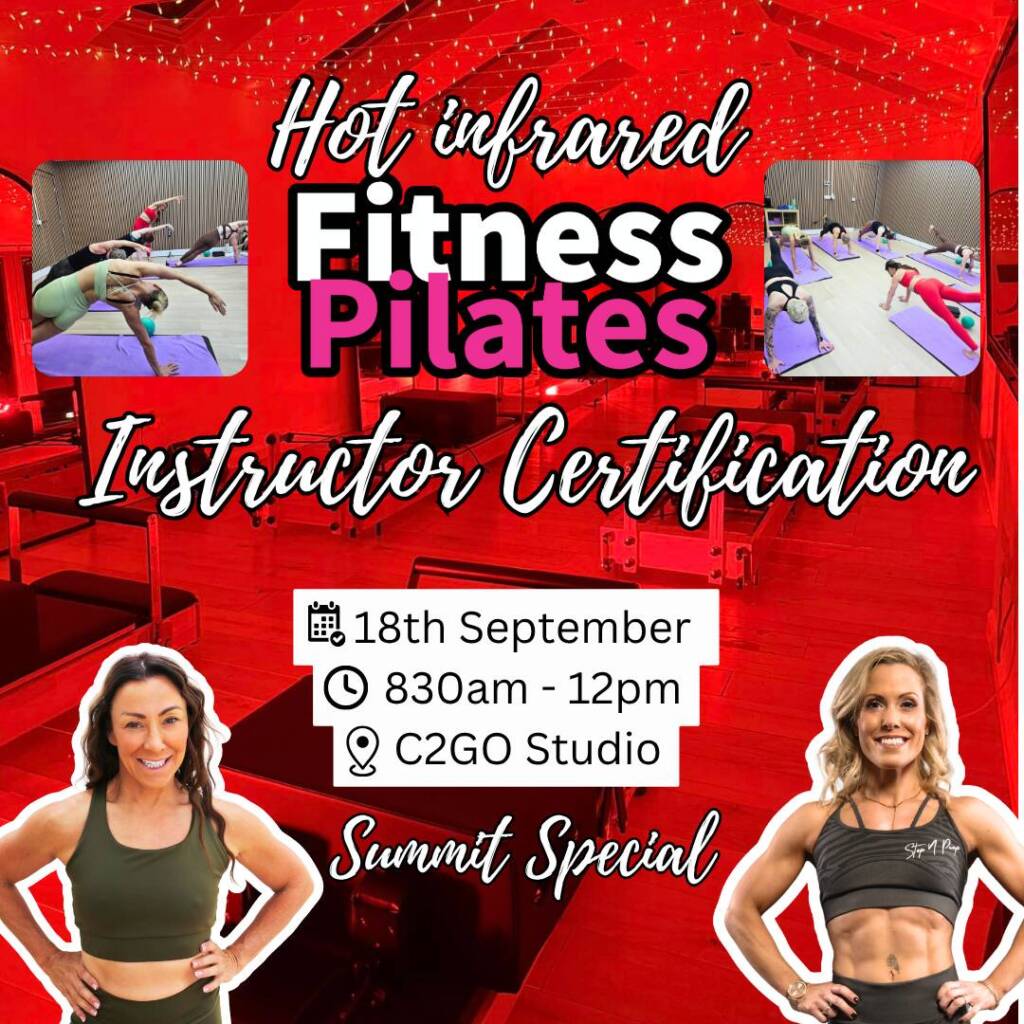
HOT Redlight Fitness Pilates — Instructor Certification SUMMIT SPECIAL 18th SEPTEMBER 830 – 12
£547.00 Original price was: £547.00.£500.00Current price is: £500.00.
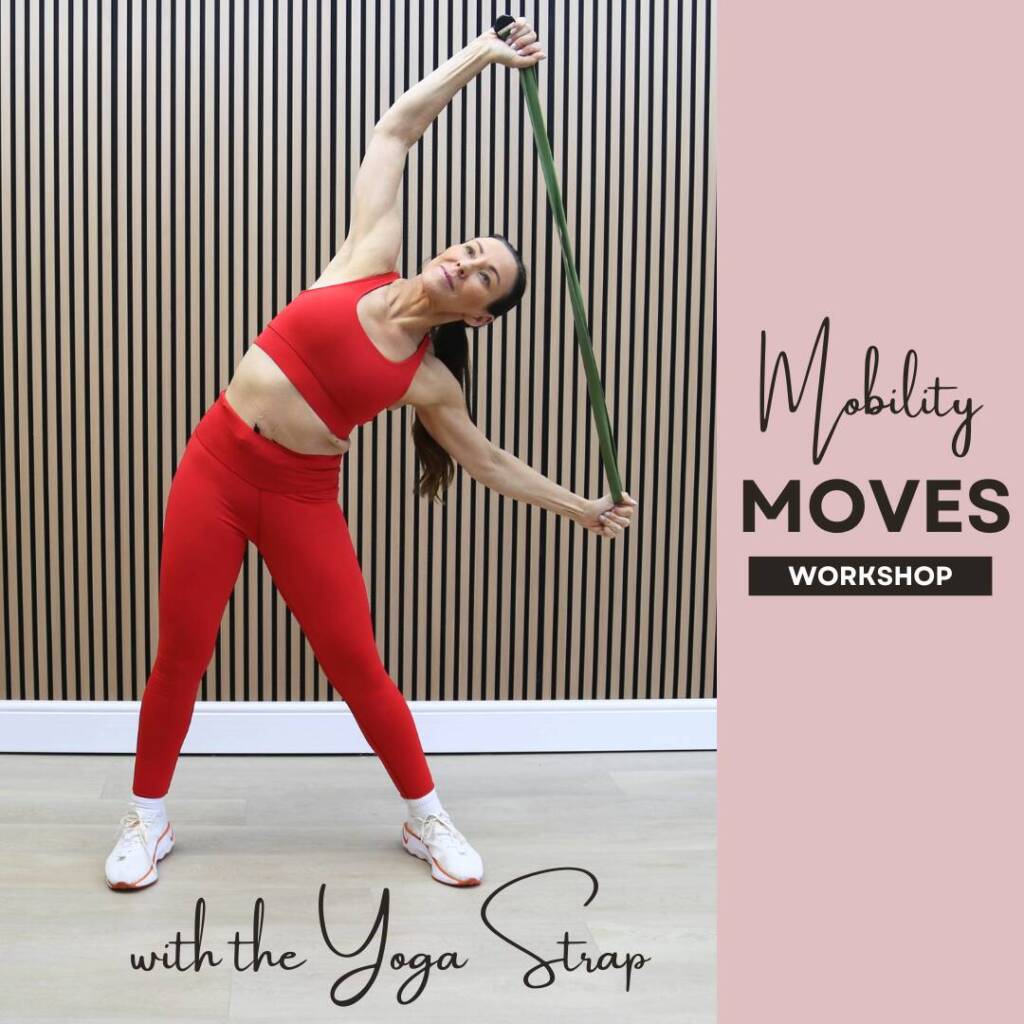
Mobility Moves with the Yoga Strap Workshop
£67.00 Original price was: £67.00.£47.00Current price is: £47.00.
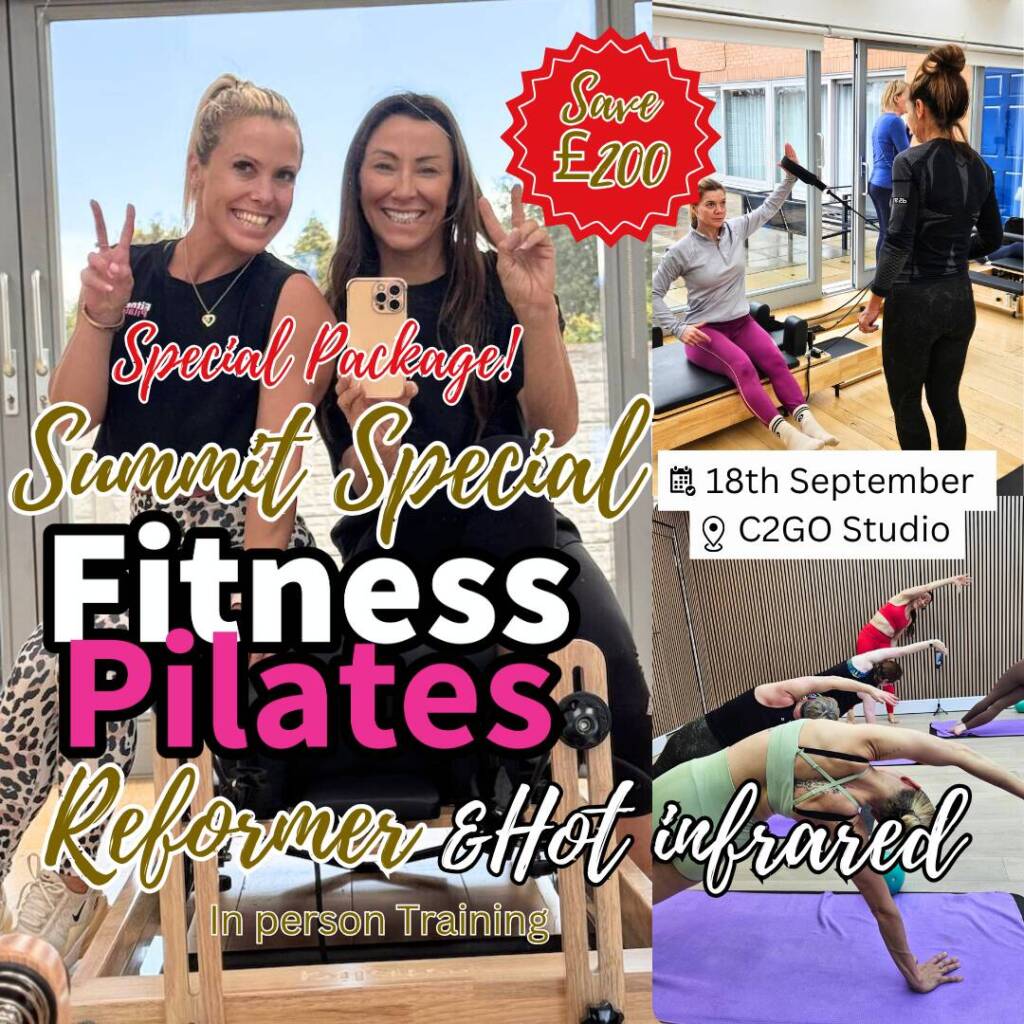
Reformer Fitness Pilates + Hot Fitness Pilates Instructor Certification Live PACKAGE SUMMIT SPECIAL 18th SEPTEMBER
£1,094.00 Original price was: £1,094.00.£799.00Current price is: £799.00.
The latest Fitness Pilates blogs & news
Join the Fitness Pilates newsletter
A short description introducing your business and the services to visitors.