

The Fitness Pilates Blog
Diaphragmatic Breathing — what the research says – Fitness Pilates news
I hope you’re enjoying a lovely Easter break.
If you are coming to the Summit, or thinking of booking for Saturday 19th September, Kelly and I will be running special Fitness Pilates HOT and Reformer Teacher Training courses on the Friday as a pre-con event.
This means you can arrive the day before, enjoy additional teacher training, and then attend the Summit at the University on the Saturday, I will add all of the details below
We are also relaunching the FPVIP Club with access to all 712 Fitness Pilates masterclasses & workshops! I didn’t realise there are so many – details are below. Today I have posted a simple article on Diaphragmatic Breathing, its a simple article you may find useful to pass onto your clients.
Did you miss last weeks Mobility Moves Workshop you can still catch up on the replays – details below.
I have also added Level 3 Mat, Level 3 Reformer, FP reformer courses right up until the end of the year as many of the courses are now full – check C2GO for the updated dates or send me a whats app 07976 268672 for the full list of a course you are interested in.
Diaphragmatic Breathing — what the research says
What is it (in research terms)?
Diaphragmatic breathing (DB) is a breathing pattern that emphasises diaphragm activation, reduced upper chest movement and a slower respiratory rate, often paired with nasal breathing and longer exhales.
Nervous system and stress
Strong evidence
- Activates the parasympathetic nervous system (vagus nerve)
- Increases heart rate variability (HRV), a marker of resilience
- Reduces cortisol and perceived stress
Key findings
- A 2017 study (Ma et al.) showed diaphragmatic breathing significantly reduced cortisol after 8 weeks
- Slow breathing (around 5–6 breaths per minute) improves vagal tone and emotional regulation
Takeaway
Diaphragmatic breathing is one of the simplest, evidence-based tools for stress reduction.
Respiratory efficiency
Moderate to strong evidence
- Improves tidal volume (deeper breaths)
- Reduces respiratory rate
- Improves oxygen exchange efficiency
Used clinically in
- COPD
- Asthma management
- Post-surgical rehabilitation
Takeaway
Less effort, more efficient breathing.
Core stability and function
Emerging but important evidence
The diaphragm works with:
- Transversus abdominis
- Pelvic floor
- Multifidus
This system regulates intra-abdominal pressure.
Research shows
- Proper diaphragm function improves spinal stability (Hodges and colleagues)
- Dysfunctional breathing is linked to low back pain
Takeaway
Breathing is part of the core system, not separate from it.
Pain and musculoskeletal health
Growing evidence
- Reduces pain perception via nervous system down regulation
- Helps reduce neck and shoulder overactivity
- Associated with improvements in chronic low back pain
Takeaway
Highly relevant for clients with tension and postural issues.
Sleep and recovery
Moderate evidence
Slow diaphragmatic breathing:
- Reduces arousal
- Improves sleep onset
- Enhances recovery
Used in
- Insomnia protocols
- Anxiety management
Metabolic and hormonal impact
Early but promising evidence
Indirect effects via:
- Reduced cortisol
- Improved insulin sensitivity (via stress reduction)
Important nuance
- Diaphragmatic breathing is not just “belly breathing”
- Over-emphasising abdominal expansion without ribcage control can reduce core function
- The goal is 360-degree ribcage expansion with coordinated core activation
Practical takeaway for your clients
Diaphragmatic breathing can:
- Reduce stress
- Improve core stability
- Support posture
- Enhance movement efficiency
- Improve recovery and sleep
Have a great day
Whats app me for questions 07976 268672
Love Rachel
If you’d like support with marketing, sales, social media, and business growth, you’re very welcome to join my Supporters Group.
Join the FPVIP CLUB click here
Share this post:
Latest Fitness Pilates Courses & Classes
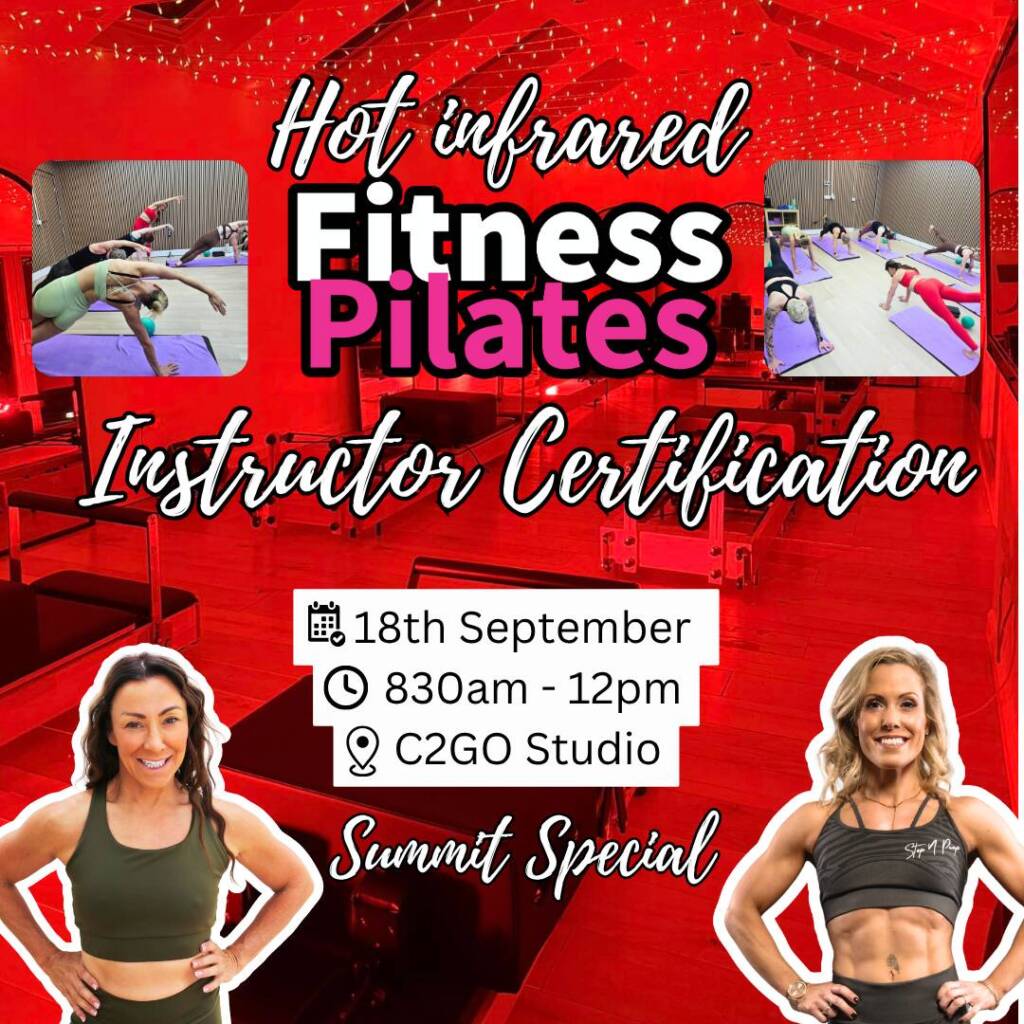
HOT Redlight Fitness Pilates — Instructor Certification SUMMIT SPECIAL 18th SEPTEMBER 830 – 12
£547.00 Original price was: £547.00.£500.00Current price is: £500.00.
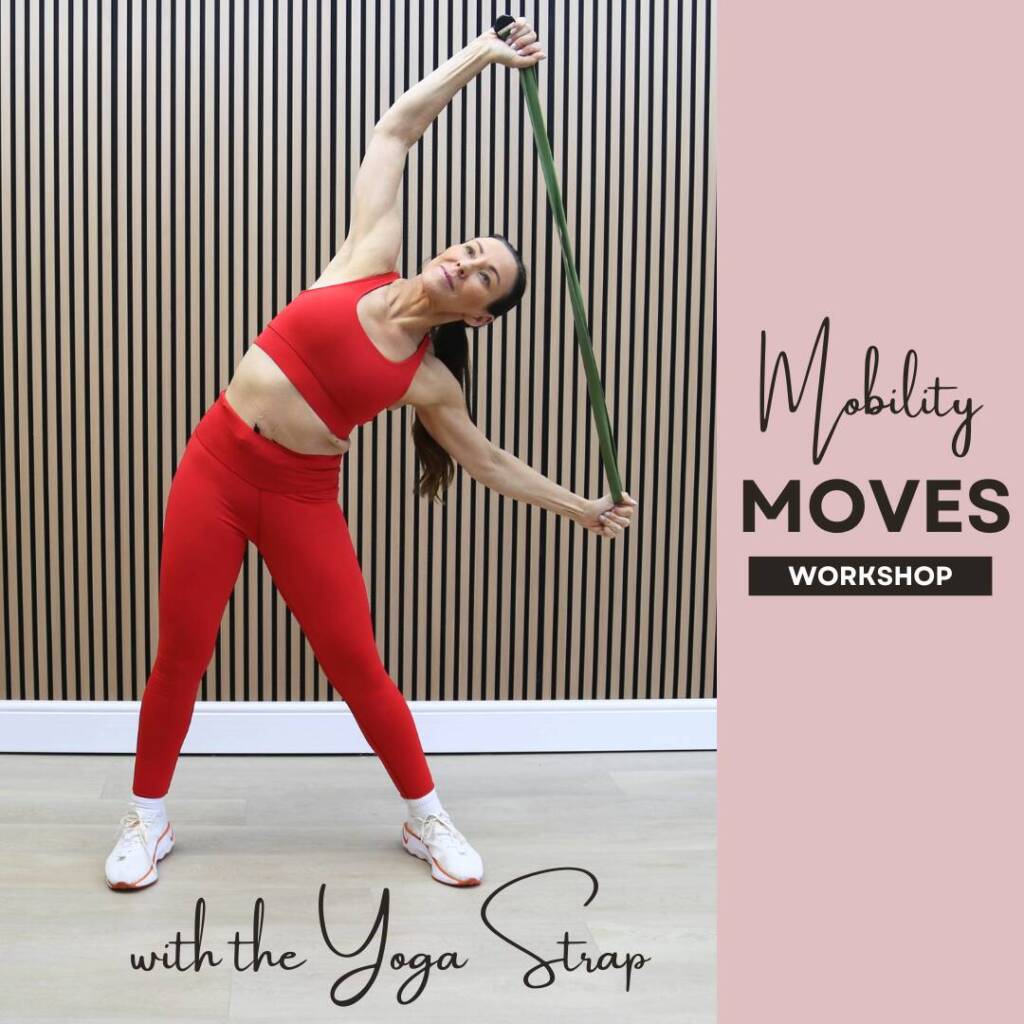
Mobility Moves with the Yoga Strap Workshop
£67.00 Original price was: £67.00.£47.00Current price is: £47.00.
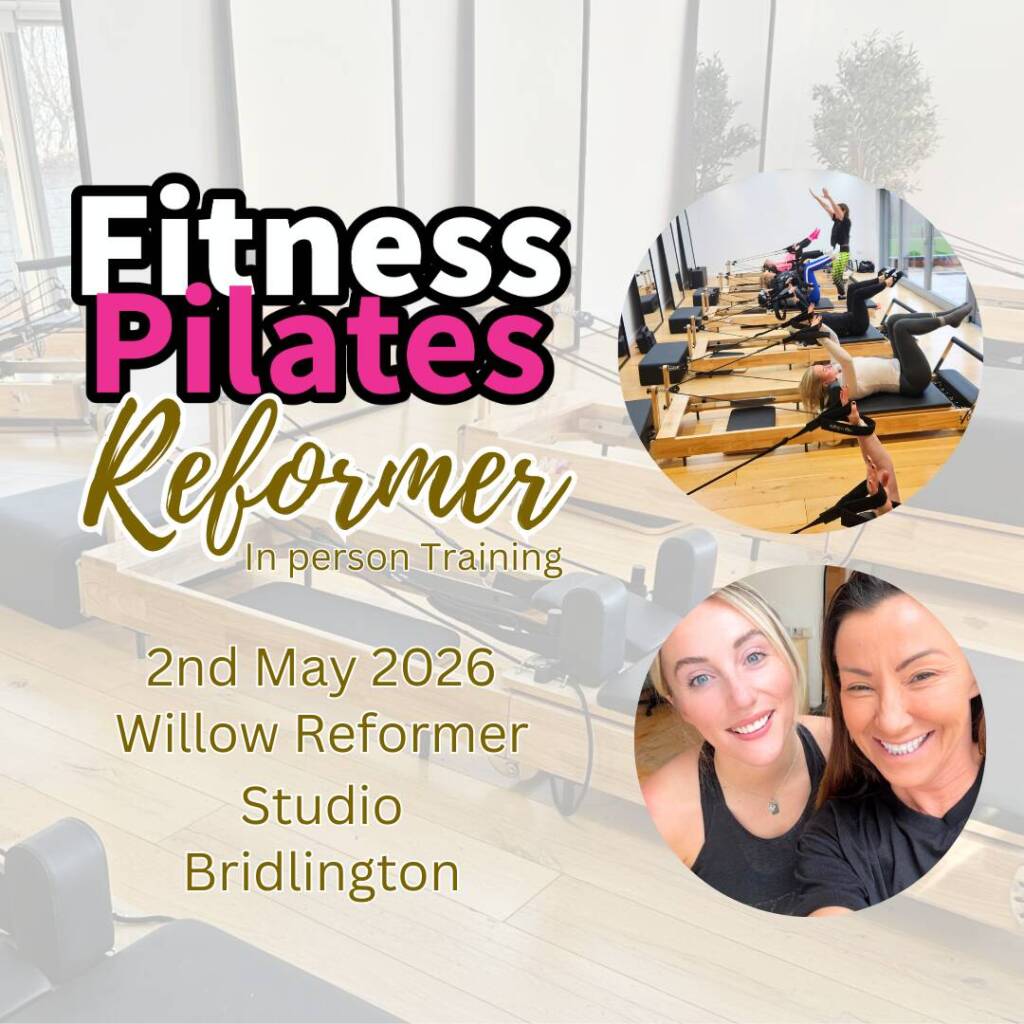
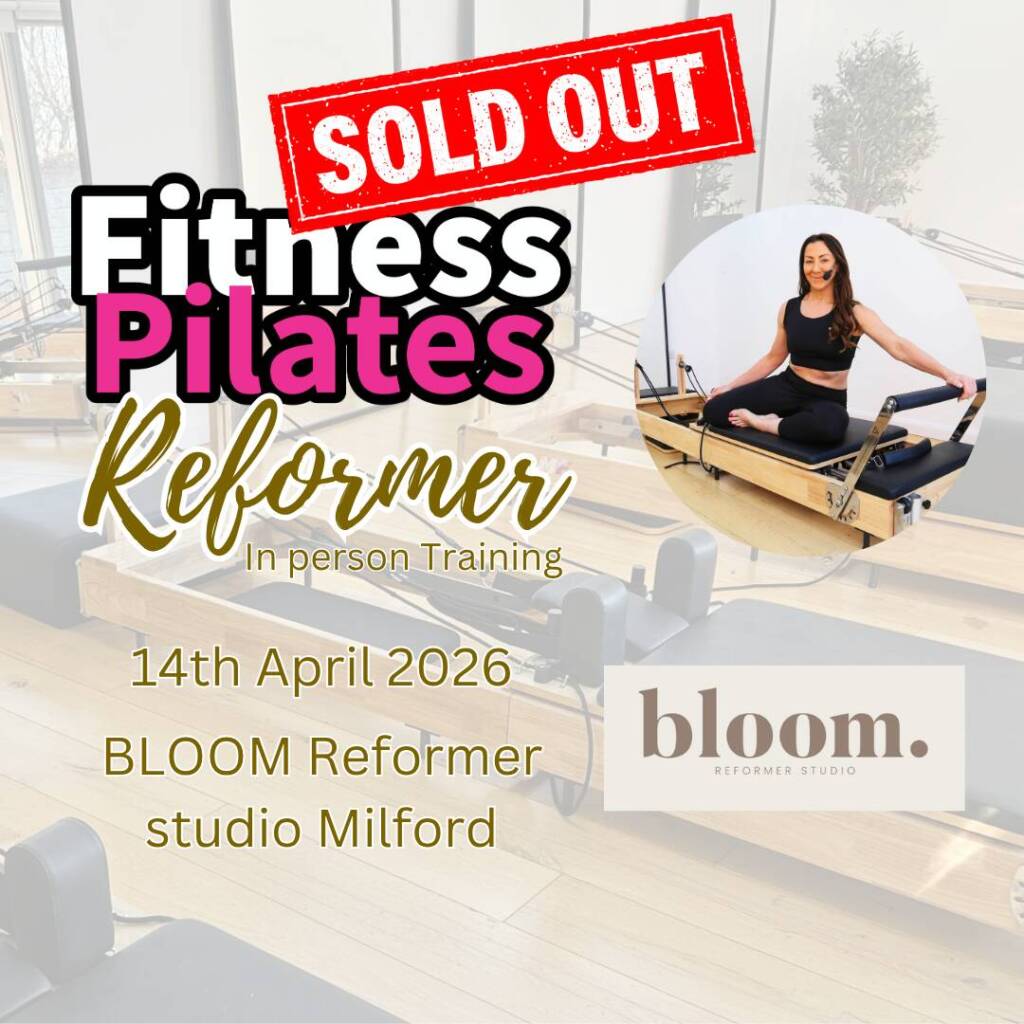
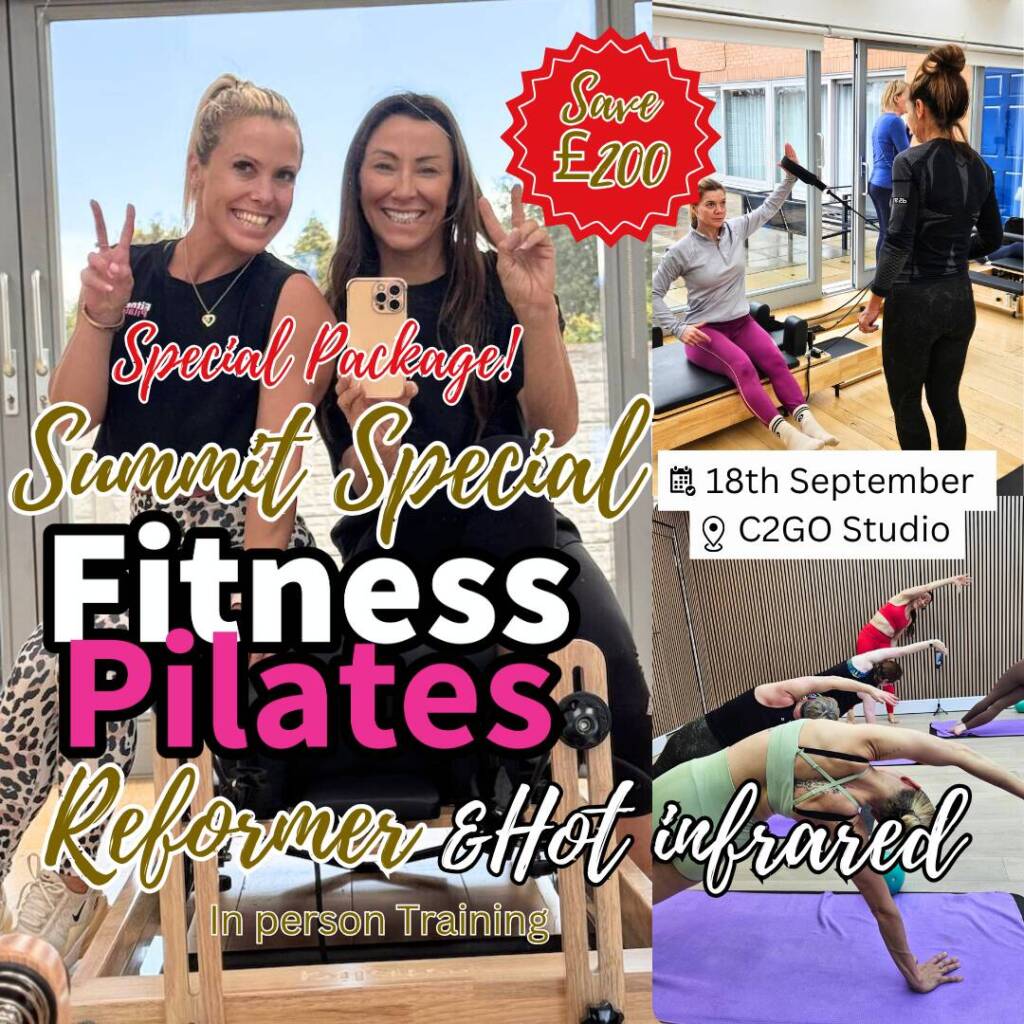
Reformer Fitness Pilates + Hot Fitness Pilates Instructor Certification Live PACKAGE SUMMIT SPECIAL 18th SEPTEMBER
£1,094.00 Original price was: £1,094.00.£799.00Current price is: £799.00.



The latest Fitness Pilates blogs & news

Join the Fitness Pilates newsletter
A short description introducing your business and the services to visitors.