

The Fitness Pilates Blog
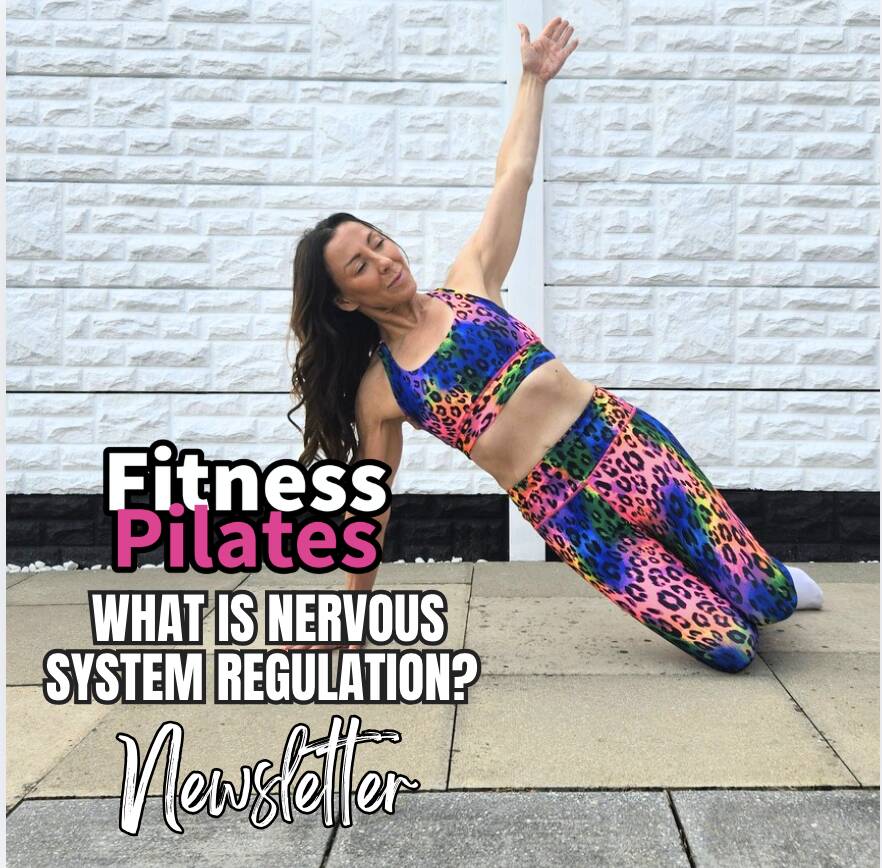
What Is Nervous System Regulation? Fitness Pilates Newsletter
Another busy week has flown by with courses, trainings, local classes and events, including the Content Creation Day and the Aerobics Masterclass yesterday.
Personally, I’ve been feeling quite overstimulated recently and I’m really looking forward to having a slightly quieter week next week. It actually inspired me to write this newsletter about stress management and nervous system regulation, which seems to be a huge buzz phrase across social media and the wellness industry right now.
But beyond the trend, I do think there is something really important happening.
We are definitely seeing a shift in what clients are coming to classes for. It’s no longer only about the exercises or burning calories. More and more clients are looking for classes that help them feel calmer, sleep better, reduce stress and leave feeling physically and mentally restored.
This is where Fitness Pilates is perfectly positioned.
By adding simple nervous system regulation tools into your classes, you can completely elevate the client experience whilst naturally weaving in education, mindfulness and recovery techniques alongside the movement.
What Is Nervous System Regulation?
The autonomic nervous system has two key branches:
Sympathetic Nervous System
Often called “fight or flight” and associated with:
• Stress
• Tension
• Elevated heart rate
• Anxiety
• Hypervigilance
Parasympathetic Nervous System
Often called “rest and digest” and associated with:
• Recovery
• Relaxation
• Digestion
• Healing
• Calmness
Many clients arrive at class overstimulated, stressed, exhausted and dysregulated from modern life. Fitness Pilates can become an incredibly powerful tool to help shift them into a calmer, more balanced state.
Simple Nervous System Regulation Tools You Can Add Into Fitness Pilates
Breath-Led Warm Ups
Instead of starting immediately with movement, spend 2–3 minutes focusing on breathing.
Try:
• Diaphragmatic breathing
• Lateral rib breathing
• Extended exhale breathing
• Breath with arm patterns
This immediately changes the tone and energy of the class.
Slow Transitional Movement
Avoid rushing transitions between exercises.
Slowing transitions:
• Reduces stress responses
• Encourages body awareness
• Helps clients stay present
• Improves movement quality
This can be especially effective in standing balance work and mobility flows.
Use Longer Exhales
Research suggests longer exhales can help stimulate parasympathetic activity.
Simple cue:
• Inhale for 4
• Exhale for 6–8
This works beautifully during:
• Stretch work
• Roll downs
• Mobility sequences
• Relaxation sections
Layer Mobility With Breath
Pair movement with intentional breathing patterns.
Examples:
• Thoracic rotation with inhale/exhale
• Spinal mobility with breath pacing
• Hip mobility flows with slow breathing
• Side bends with rib expansion cues
This creates a much more mindful and restorative experience.
Add Grounding Techniques
Grounding helps bring awareness back into the body.
Simple ideas:
• Barefoot standing work
• Foot pressure awareness
• “Feel your feet on the floor” cues
• Seated centring moments
• Body scanning
These techniques can help anxious or stressed clients feel calmer and safer.
Reduce Over-Cueing
Many instructors over-teach because we genuinely want to help.
However, constantly talking can overstimulate clients.
Try:
• Pausing between cues
• Using softer vocal tones
• Allowing moments of silence
• Letting clients focus inward
The class often feels calmer instantly.
Music Selection Matters
Music has a huge impact on nervous system state.
Consider:
• Slower BPM tracks
• Instrumental music
• Ambient playlists
• Chillout or Café Del Mar-style sessions
• Gentle transitions between tracks
You can completely change the atmosphere of a class through music alone.
Create “Down Regulation” At The End Of Class
One of the most powerful additions you can make is a proper nervous system reset at the end of class.
Ideas include:
• Box breathing
• Guided relaxation
• Legs up on a stability ball
• Constructive rest position
• Pelvic floor relaxation breathing
• Progressive muscle relaxation
• Meditation or visualisation
Clients will always remember how your class made them feel.
Current Client Trends
Many clients are dealing with:
• Burnout
• Poor sleep
• Hormonal changes
• Anxiety
• High-stress lifestyles
• Perimenopause symptoms
• Chronic pain and fatigue
This is why calmer, restorative and nervous-system-friendly sessions are growing so rapidly in popularity.
Class Ideas You Could Add To Your Timetable
• Relax & Restore Fitness Pilates
• Evening Candlelight Pilates
• Stretch, Breathe & Release
• Sunday Reset Sessions
These styles of classes work incredibly well both face-to-face and online.
A Final Thought
Clients are looking for movement that helps them feel:
• Stronger
• More mobile
• Less stressed
• More energised
• More connected to their bodies
Sometimes the most powerful thing we can offer is not more exercises or constantly creating different class plans week after week, but helping clients slow down, breathe properly and regulate their nervous system.
I hope this gives you some ideas and inspiration to try in your classes this week.
If you’ve been incorporating nervous system regulation tools into your sessions, I’d love to hear what’s been working well for you.
Have a wonderful week everyone.
Please WhatsApp me on 07976 268672 or leave your feedback in the Fitness Pilates Facebook Group.
Rachel Holmes
CHOREOGRAPAHY Newsletter – I have been adding lots if mini ball flows and mini workshops to my Choreography newsletter its a free resource for fit pros sign up here
Share this post:
Latest Fitness Pilates Courses & Classes
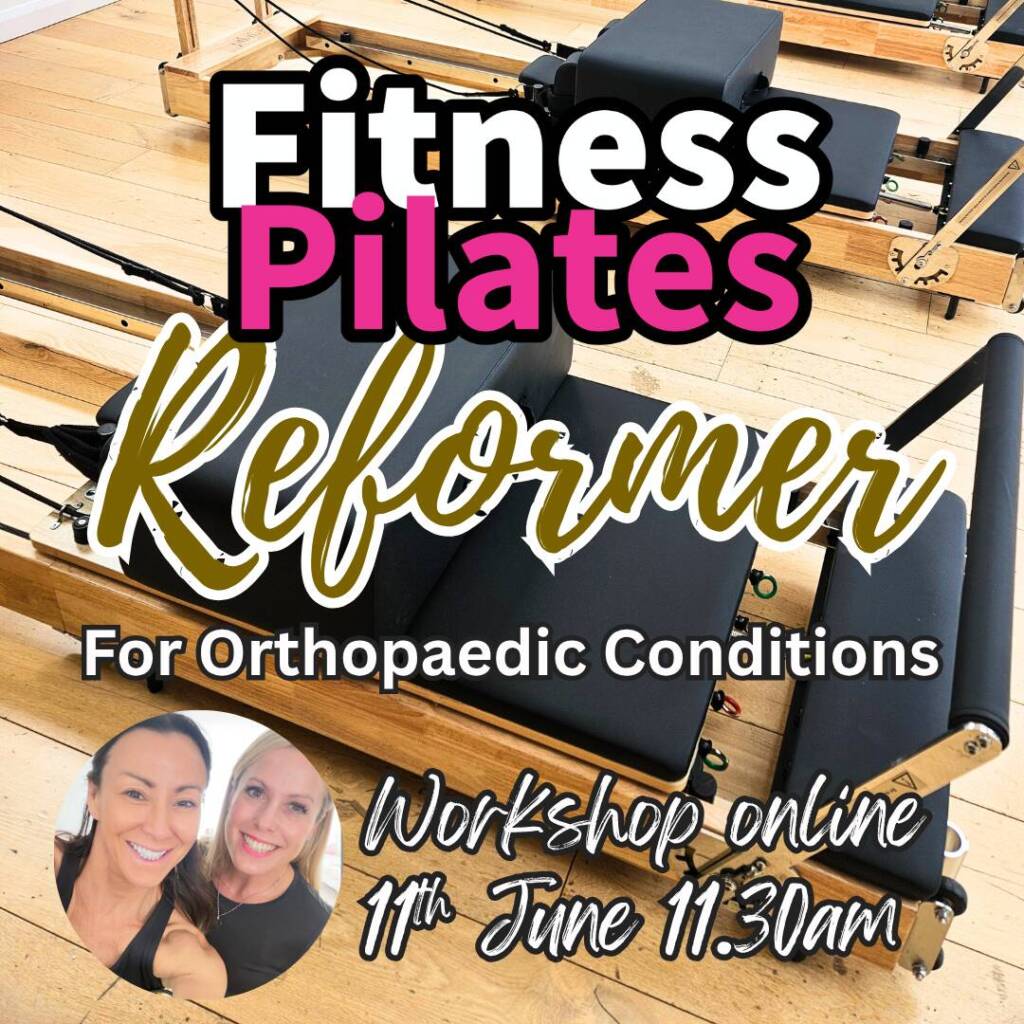
Reformer For Orthopaedic Conditions Workshop 11th June
£199.00 Original price was: £199.00.£127.00Current price is: £127.00.
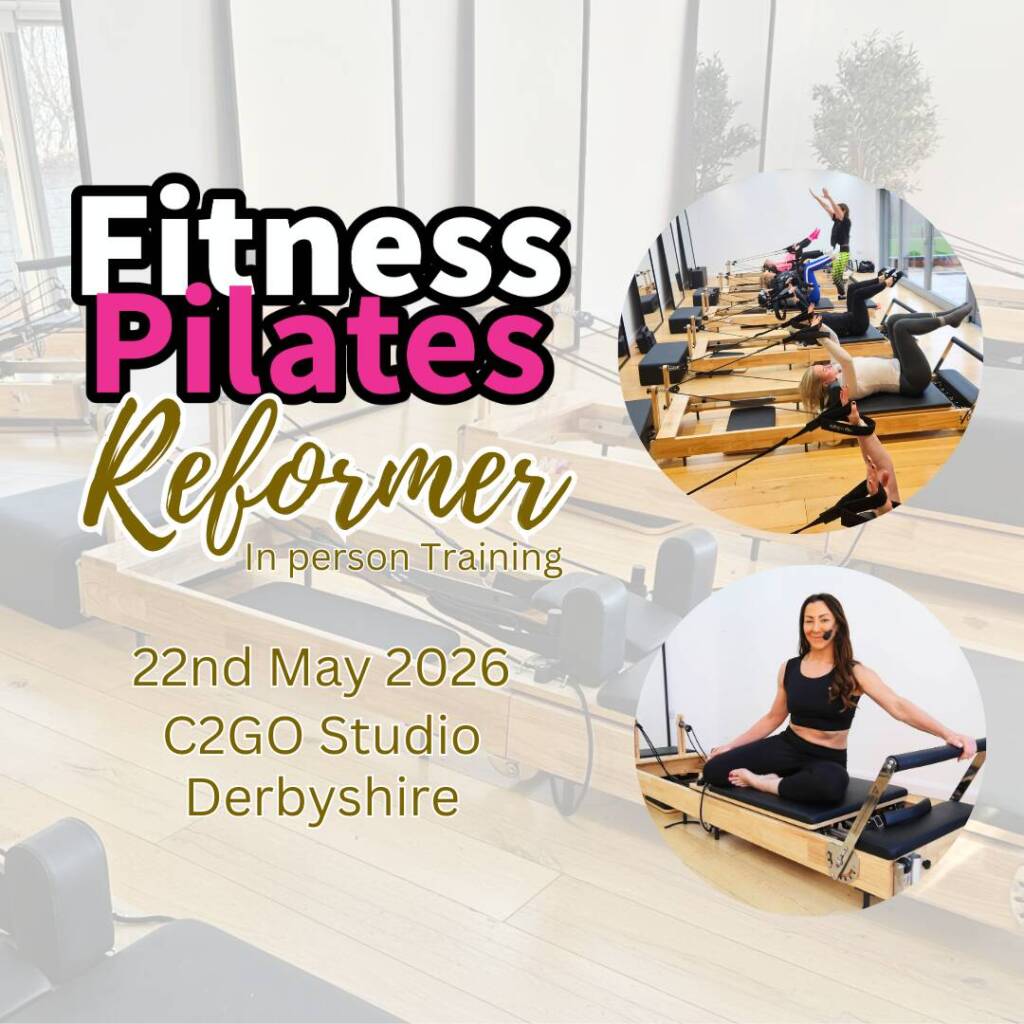
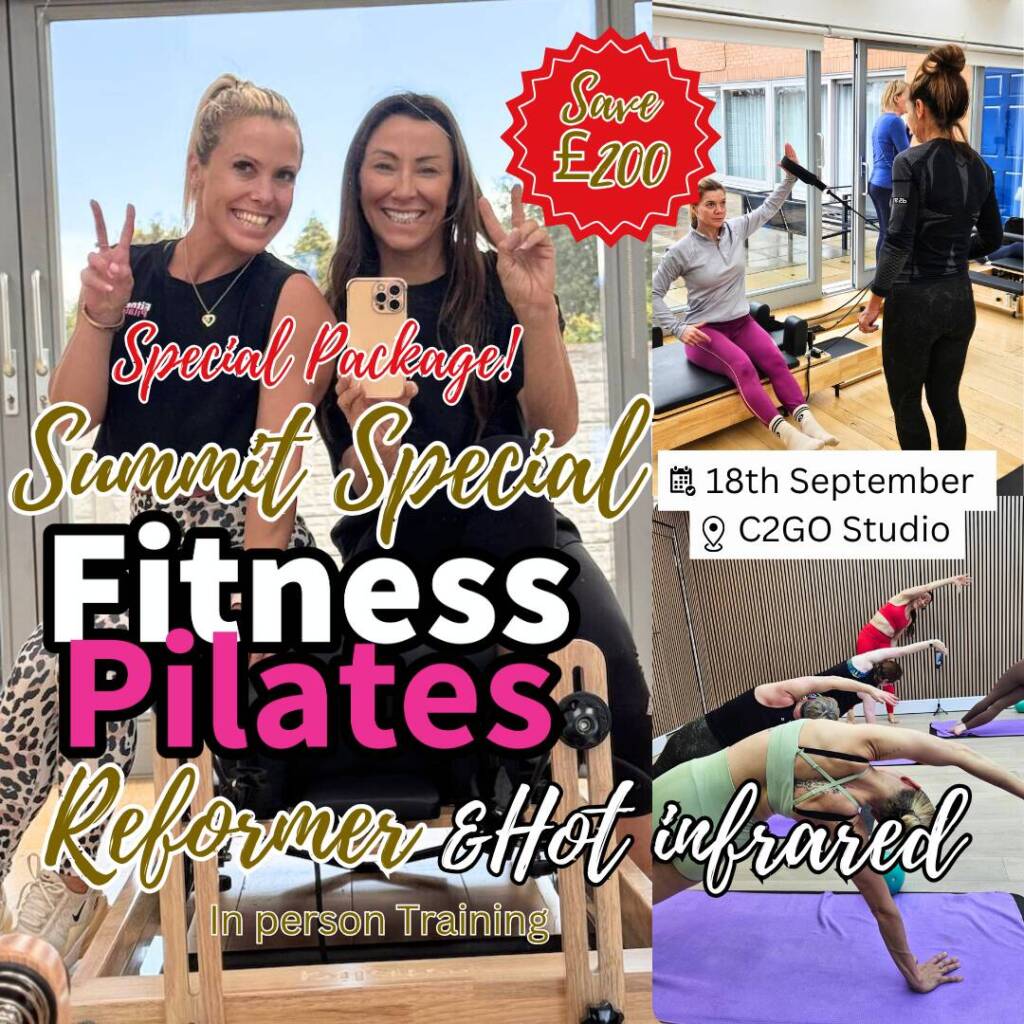
Reformer Fitness Pilates + Hot Fitness Pilates Instructor Certification Live PACKAGE SUMMIT SPECIAL 18th SEPTEMBER
£1,094.00 Original price was: £1,094.00.£799.00Current price is: £799.00.
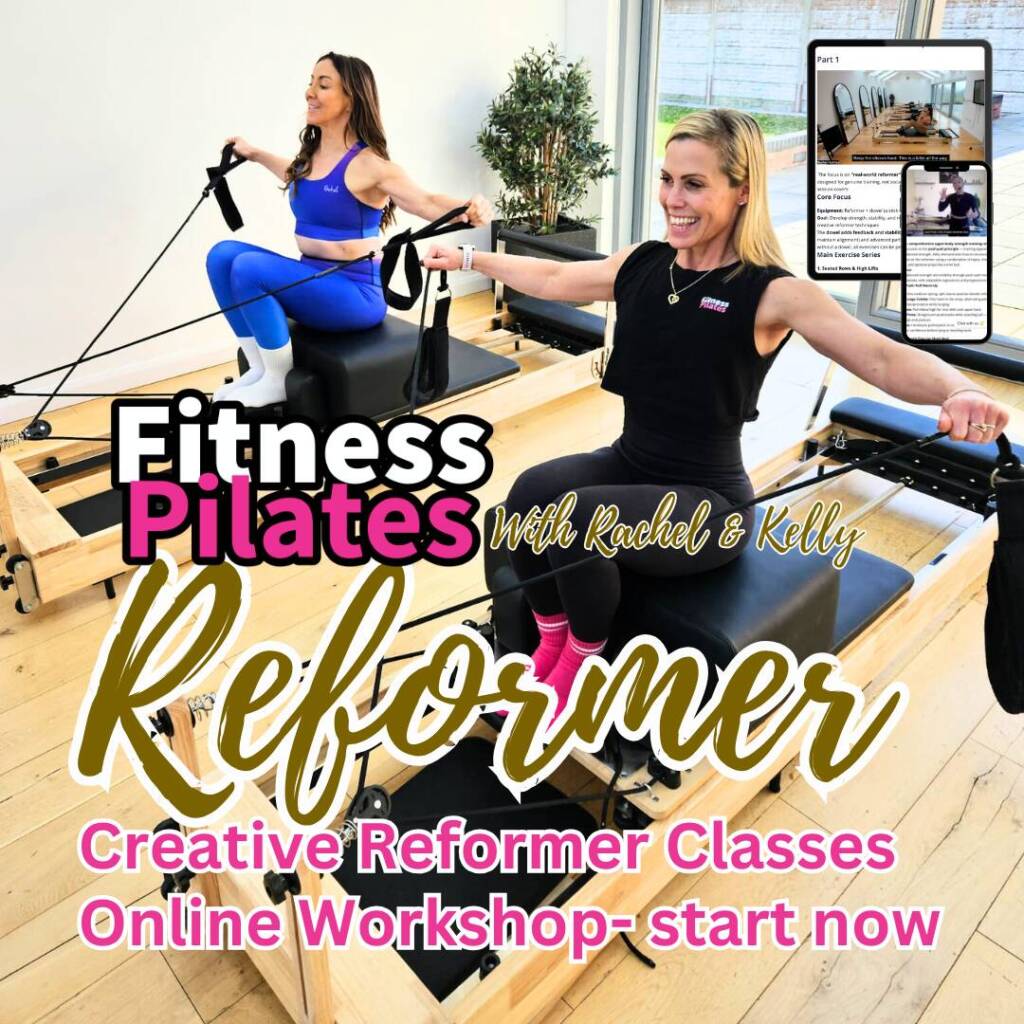
Creative Reformer Classes – Online Workshop
£75.00 Original price was: £75.00.£60.00Current price is: £60.00.
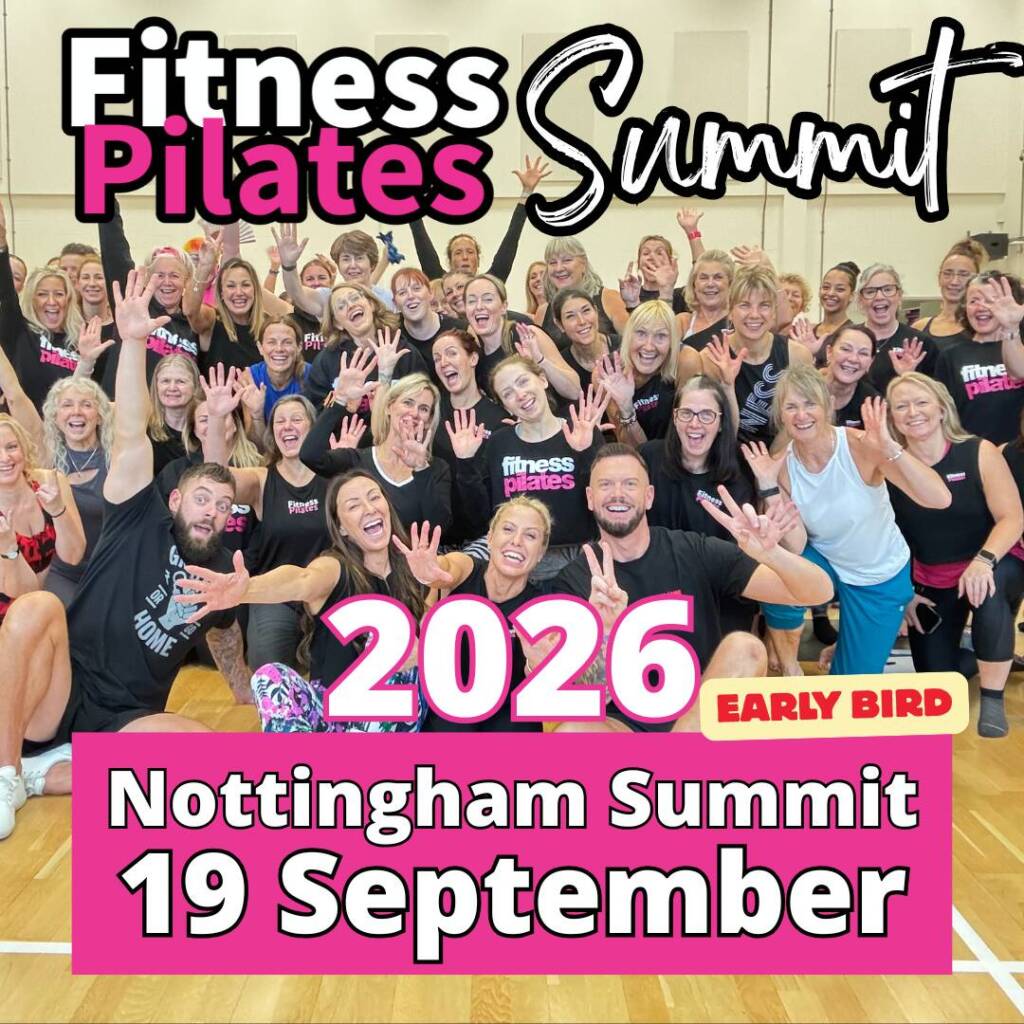
Fitness Pilates Summit Event 2026 EARLY BIRD TICKETS
£127.00 Original price was: £127.00.£99.00Current price is: £99.00.
Fitness Pilates Menofit Training Course
£299.00 Original price was: £299.00.£199.00Current price is: £199.00.


The latest Fitness Pilates blogs & news

Join the Fitness Pilates newsletter
A short description introducing your business and the services to visitors.