


The Fitness Pilates Blog
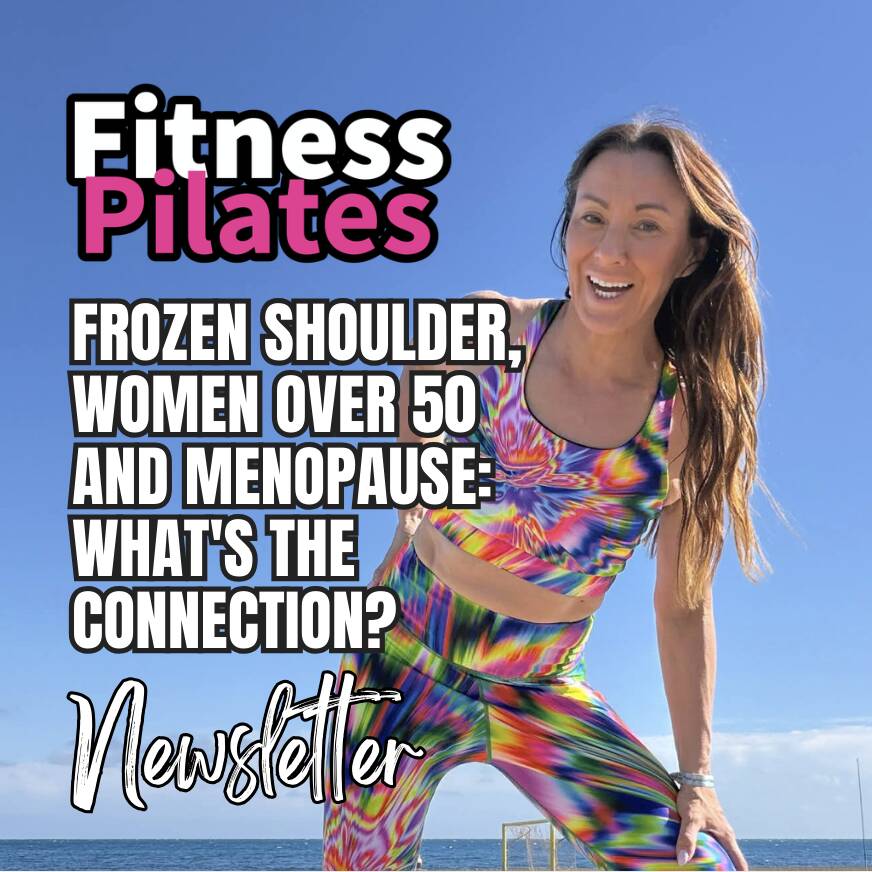
Frozen Shoulder, Women Over 50 and Menopause: What’s the Connection?
Welcome to this week’s Fitness Pilates newsletter.
The 1st of June is almost here, and I’ve just returned from a fantastic week teaching in Playitas. I’m feeling refreshed, inspired and ready for another busy week of classes, courses and workshops…… here goes!
Today, I wanted to talk about a condition that affects many women in midlife but often doesn’t get the attention it deserves – frozen shoulder.
Have you ever experienced a frozen shoulder?
Frozen Shoulder, Women Over 50 and Menopause: What’s the Connection?
Frozen shoulder (adhesive capsulitis) is one of the most common musculoskeletal conditions affecting women in midlife, yet many women are never told there may be a connection with menopause.
If you’ve suddenly developed shoulder pain, stiffness, difficulty reaching overhead, fastening your bra, putting on a coat or sleeping comfortably, you’re not alone.
Frozen shoulder is particularly common in women between the ages of 45 and 65 and research is increasingly exploring the role that hormonal changes may play.
What Is Frozen Shoulder?
Frozen shoulder occurs when the capsule surrounding the shoulder joint becomes inflamed, thickened and tight.
This causes:
- Pain
- Stiffness
- Reduced range of motion
- Difficulty performing everyday activities
The shoulder can become so restricted that even simple tasks such as reaching into a cupboard, washing your hair or fastening a seatbelt become challenging.
Why Are Women Over 50 More Likely To Develop Frozen Shoulder?
While frozen shoulder can affect anyone, women are affected far more frequently than men, particularly during the menopausal years.
One of the main reasons may be the decline in oestrogen.
Oestrogen plays an important role in maintaining:
- Connective tissue health
- Collagen production
- Tendon function
- Joint lubrication
- Muscle recovery
- Inflammation control
As oestrogen levels fall during perimenopause and menopause, changes occur throughout the musculoskeletal system.
Many women notice:
- Increased joint aches and pains
- Morning stiffness
- Reduced flexibility
- Slower recovery after exercise
- Tendon issues
- Shoulder, hip and knee discomfort
Researchers now believe these hormonal changes may contribute to the development of frozen shoulder in some women.
The Menopause and Collagen Connection
Collagen is the most abundant protein in the body and provides strength and elasticity to our connective tissues.
During the first five years after menopause, women can lose up to 30% of their collagen.
This decline may affect:
- Tendons
- Ligaments
- Fascia
- Joint capsules
- Skin
- Muscle quality
The shoulder capsule may become more vulnerable to inflammation, thickening and stiffness, increasing the likelihood of frozen shoulder developing.
Other Risk Factors
Women may be at higher risk if they also have:
- Diabetes
- Thyroid conditions
- Previous shoulder injury
- Autoimmune conditions
- Long periods of immobilisation
- High levels of stress and inflammation
Signs and Symptoms
Common symptoms include:
- Shoulder pain, especially at night
- Difficulty sleeping on the affected side
- Loss of shoulder mobility
- Difficulty reaching overhead
- Problems reaching behind the back
- Pain when dressing
- Difficulty lifting weights overhead
Fitness Pilates Exercises That Can Help
The goal is to keep the shoulder moving without forcing movement into pain.
Helpful exercises include:
- Shoulder rolls
- Scapular retractions
- Wall finger walks
- Cat Cow
- Thread The Needle
- Thoracic rotation
- Mermaid stretch
- Gentle band external rotations
- Postural strengthening exercises
Fitness Pilates can be particularly beneficial because it focuses on mobility, posture, breathing, alignment and progressive strengthening.
Exercises To Avoid
During the painful stages of frozen shoulder, avoid:
- Heavy overhead presses
- Aggressive stretching
- Fast repetitive overhead movements
- Heavy lateral raises
- High-intensity upper body workouts that increase pain
- Forcing the arm beyond its comfortable range
A good rule is that movement should feel gentle and therapeutic, not painful.
Movement is medicine, but with frozen shoulder, gentle and consistent movement is far more effective than pushing through pain.
We are launching our Reformer For Orthopaedic conditions on the 11th as we see in Mat & Reformer such a wide variety of common health issues so its important to work within scope and help our clients manage safely various conditions
I hope you find these newsletters helpful and feel free to use in yuor own newsletters and communications.
Please WhatsApp me on 07976 268672 or leave your feedback in the Fitness Pilates Facebook Group.
Rachel Holmes
CHOREOGRAPHY Newsletter – I have been adding lots of mini ball flows, shoulder bridge variations and mini workshops to my Choreography newsletter its a free resource for fit pros sign up here
Level 3 Pilates Course Dates
- 12 / 13 / 14 June 2026
- 17 / 18 / 19 July 2026
- 7 / 8 / 9 August 2026
- 11 / 12 / 13 September 2026
- 9 / 10 / 11 October 2026
- 6 / 7 / 8 November 2026
- 11 / 12 / 13 December 2026
LEVEL 3 REFORMER QUALIFICATION (YMCA)
Face-to-Face (C2GO Studio NG16 4HA)
- 25 June 2026
- 21 July 2026
- 21 August 2026
- 25 September 2026
- 23 October 2026
- 27 November 2026
- 15 December 2026
Join our Fitness Pilates VIP CLUB
Join our FREE Fitness Pilates Newsletter
See our Fitness Pilates Training Course Dates
Share this post:
Latest Fitness Pilates Courses & Classes
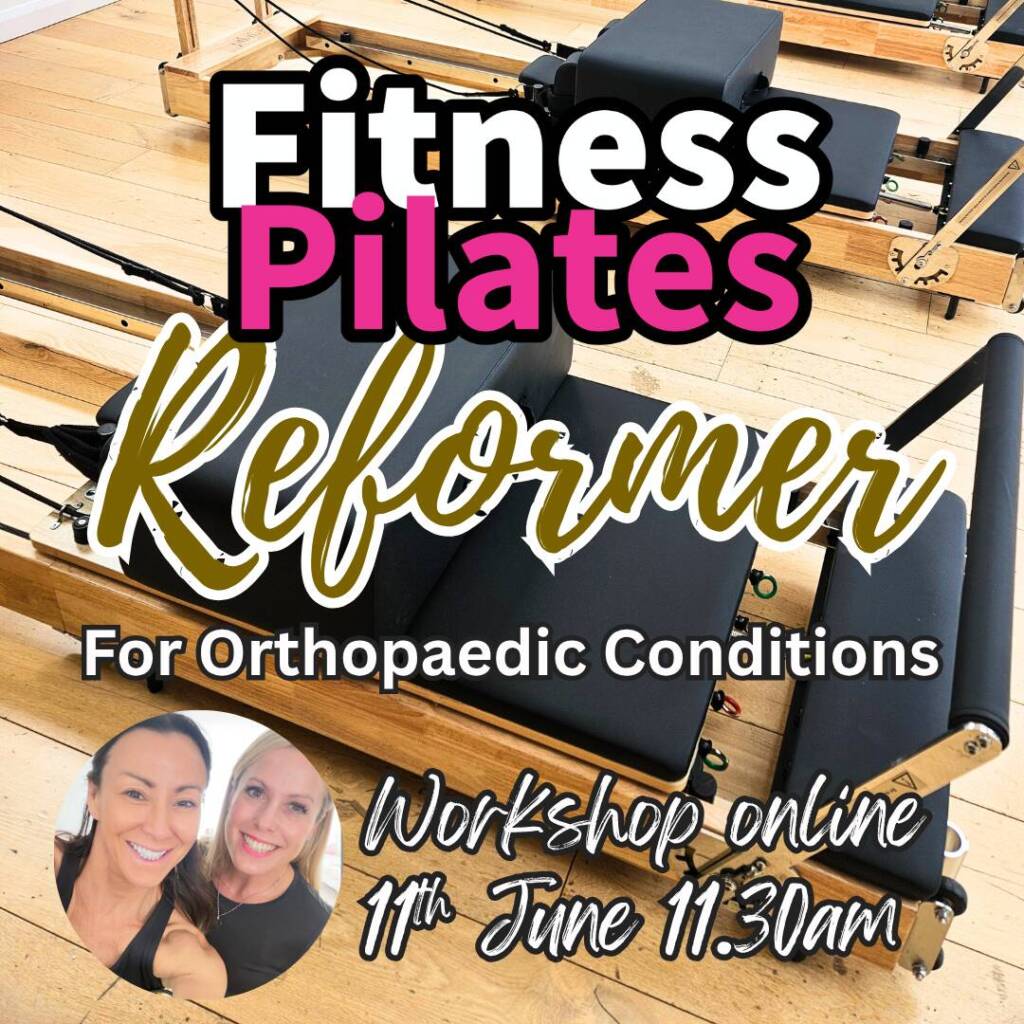
Reformer For Orthopaedic Conditions Workshop 11th June
£199.00 Original price was: £199.00.£127.00Current price is: £127.00.
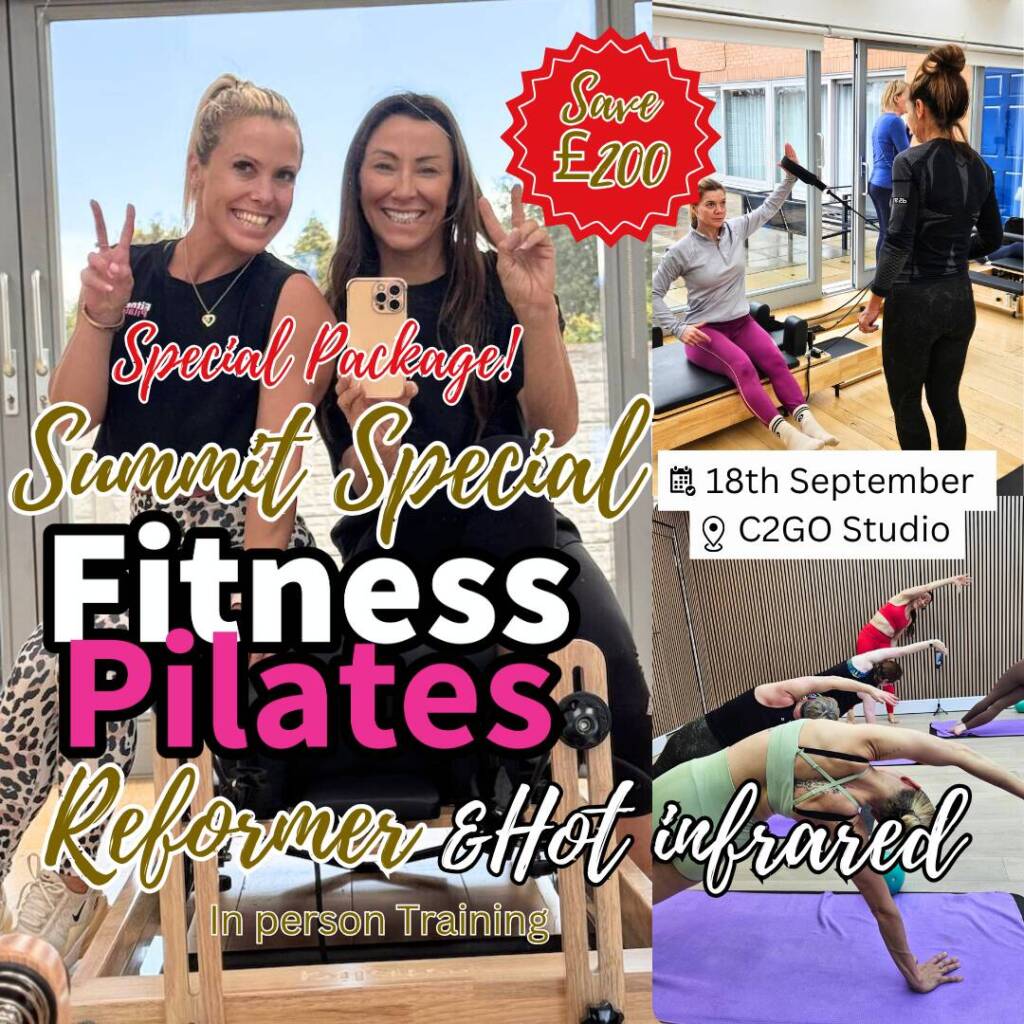
Reformer Fitness Pilates + Hot Fitness Pilates Instructor Certification Live PACKAGE SUMMIT SPECIAL 18th SEPTEMBER
£1,094.00 Original price was: £1,094.00.£799.00Current price is: £799.00.
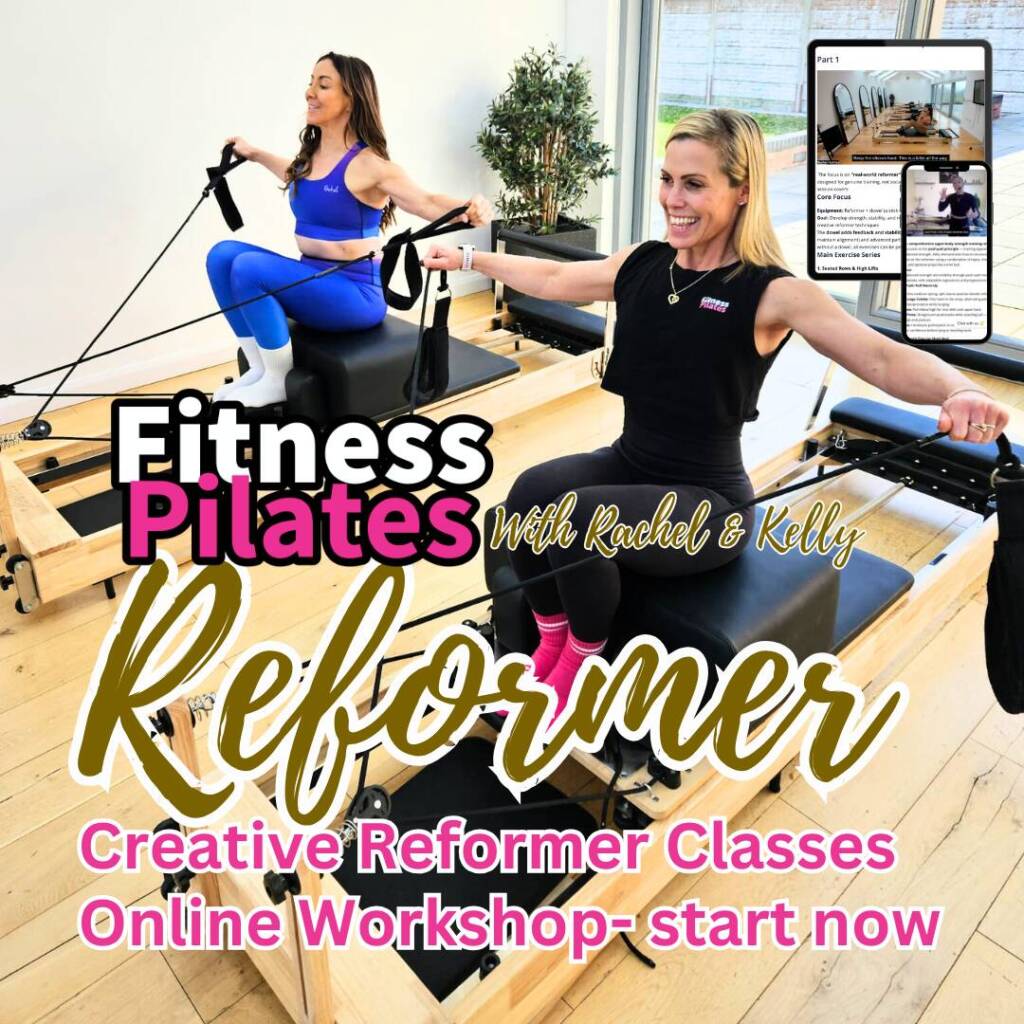
Creative Reformer Classes – Online Workshop
£75.00 Original price was: £75.00.£60.00Current price is: £60.00.
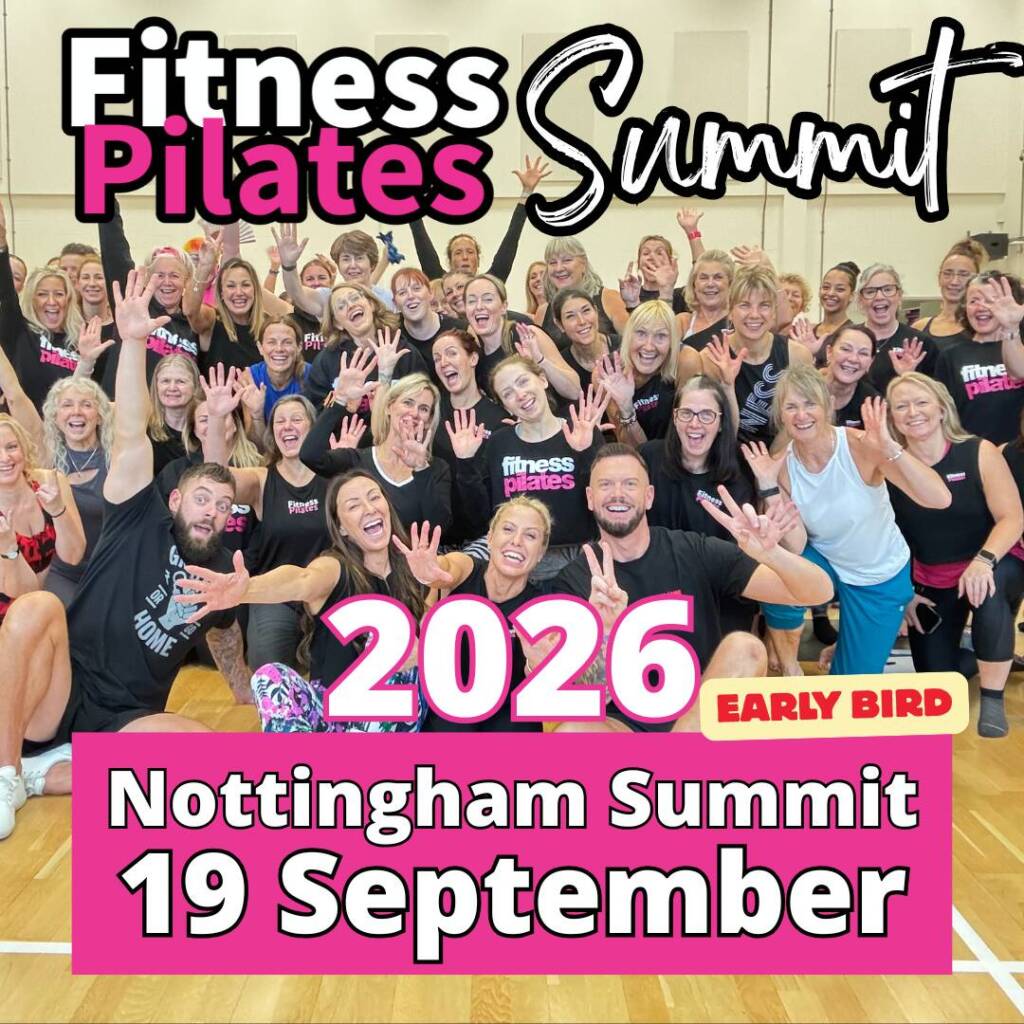
Fitness Pilates Summit Event 2026 EARLY BIRD TICKETS
£127.00 Original price was: £127.00.£99.00Current price is: £99.00.
Fitness Pilates Menofit Training Course
£299.00 Original price was: £299.00.£199.00Current price is: £199.00.



The latest Fitness Pilates blogs & news
Join the Fitness Pilates newsletter
A short description introducing your business and the services to visitors.