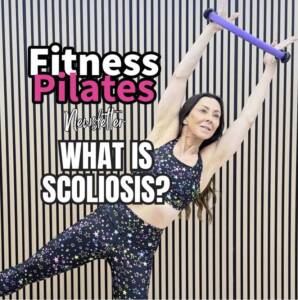
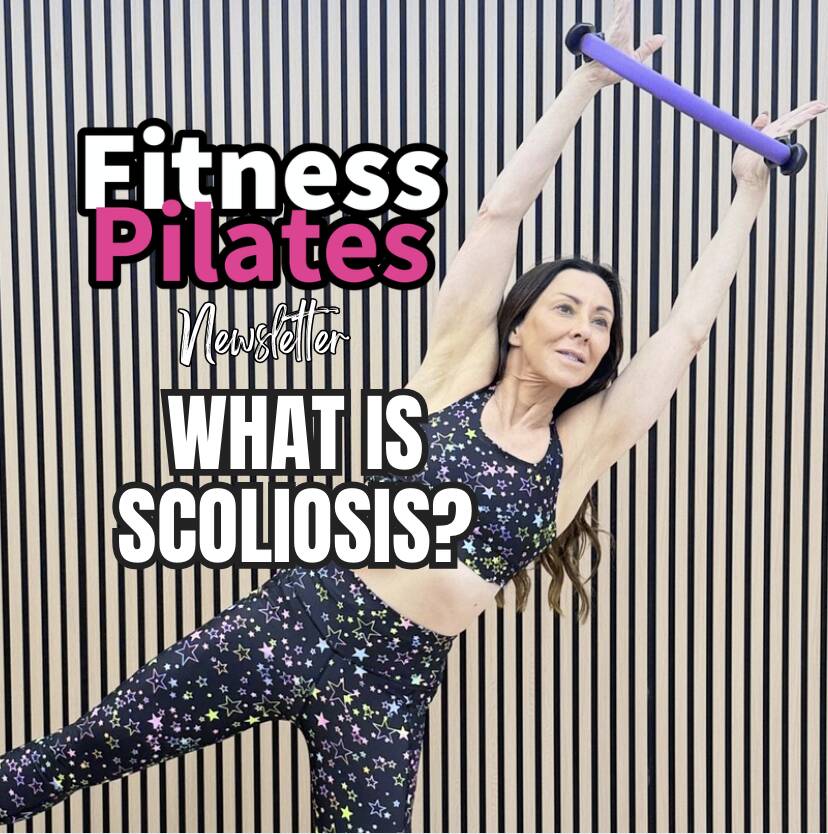
What is Scoliosis? Fitness Pilates Newsletter
Fitness Pilates Newsletter I hope you’ve had a wonderful Easter break and are feeling refreshed and ready for the spring/summer term. We have so much


Fitness Pilates Newsletter
I hope you’ve had a wonderful Easter break and are feeling refreshed and ready for the spring/summer term.
We have so much going on this year and have planned the full year of courses including:
We’re also excited to announce the Fitness Pilates Summit Pre Convention on 18th/19th September!. The day before the Summit, Kelly and I are running a Fitness Pilates Hot course and a Fitness Pilates Reformer and twilight masterclass course — so if you’re attending the Summit, you can book onto these and make a whole weekend of it – ill adad the links below.
This week I’ve been asked to talk about scoliosis — what it is, the exercises that can help, and the ones to avoid. (See the full article below!)
And finally, we’ve completely revamped the FPVIP Club with a brand new interface — and we’re now hitting an incredible 712 videos in the club.
What is Scoliosis?
Scoliosis is an abnormal lateral (sideways) curvature of the spine. Instead of running in a straight vertical line, the spine curves to one side — sometimes in a single “C” shape, or an “S” shape with two curves. In some cases the spine also rotates, which can cause one shoulder blade, hip or rib to appear more prominent than the other.
Who Does It Affect?
Scoliosis affects people of all ages and backgrounds. Roughly 2–3% of the population has some degree of scoliosis. It affects both males and females, though girls are significantly more likely to develop a curve that progresses and requires treatment.
Are You Born With It, or Does It Develop?
There are actually several types:
Symptoms to Be Aware Of
How Fitness Pilates Can Help
Pilates is widely recommended by physiotherapists as a supportive tool for managing scoliosis. It won’t reverse the curve, but it can:
Helpful Fitness Pilates Exercises
These exercises are generally beneficial, though ideally tailored to the individual’s specific curve pattern:
Exercises to Approach With Caution or Avoid
Please feel free to use for your newsletters and client education info.
MUSIC – I am loving the Feel Good Flow playlist on Pure Energy Music
and lastly I filmed a video on how to fill your classes on Youtube Check it out here
Have a great day
Whats app me for questions 07976 268672
Love Rachel
If you’d like support with marketing, sales, social media, and business growth, you’re very welcome to join my Supporters Group.
Join the FPVIP CLUB click here
Fitness Pilates Newsletter I hope you’ve had a wonderful Easter break and are feeling refreshed and ready for the spring/summer term. We have so much
How to Fill Your Fitness Classes Consistently (Without Posting on Social Media Every Day) If you’re a fitness instructor, Pilates teacher, PT or studio owner,
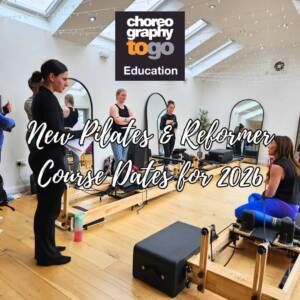
We are excited to announce that all Pilates and Reformer qualification dates are now confirmed right through to the end of the year. Whether you
Yoga block tabata Lower Body Balance & Sculpt (Tabata Style) Single-leg hip abduction with cross-over Single-leg hip extension (option to add arm movements) Combination: single
So it’s been three months of daily vlogging and sharing a weekly vlog here on YouTube, and it’s been a very busy first quarter with
I hope you’re enjoying a lovely Easter break. If you are coming to the Summit, or thinking of booking for Saturday 19th September, Kelly and